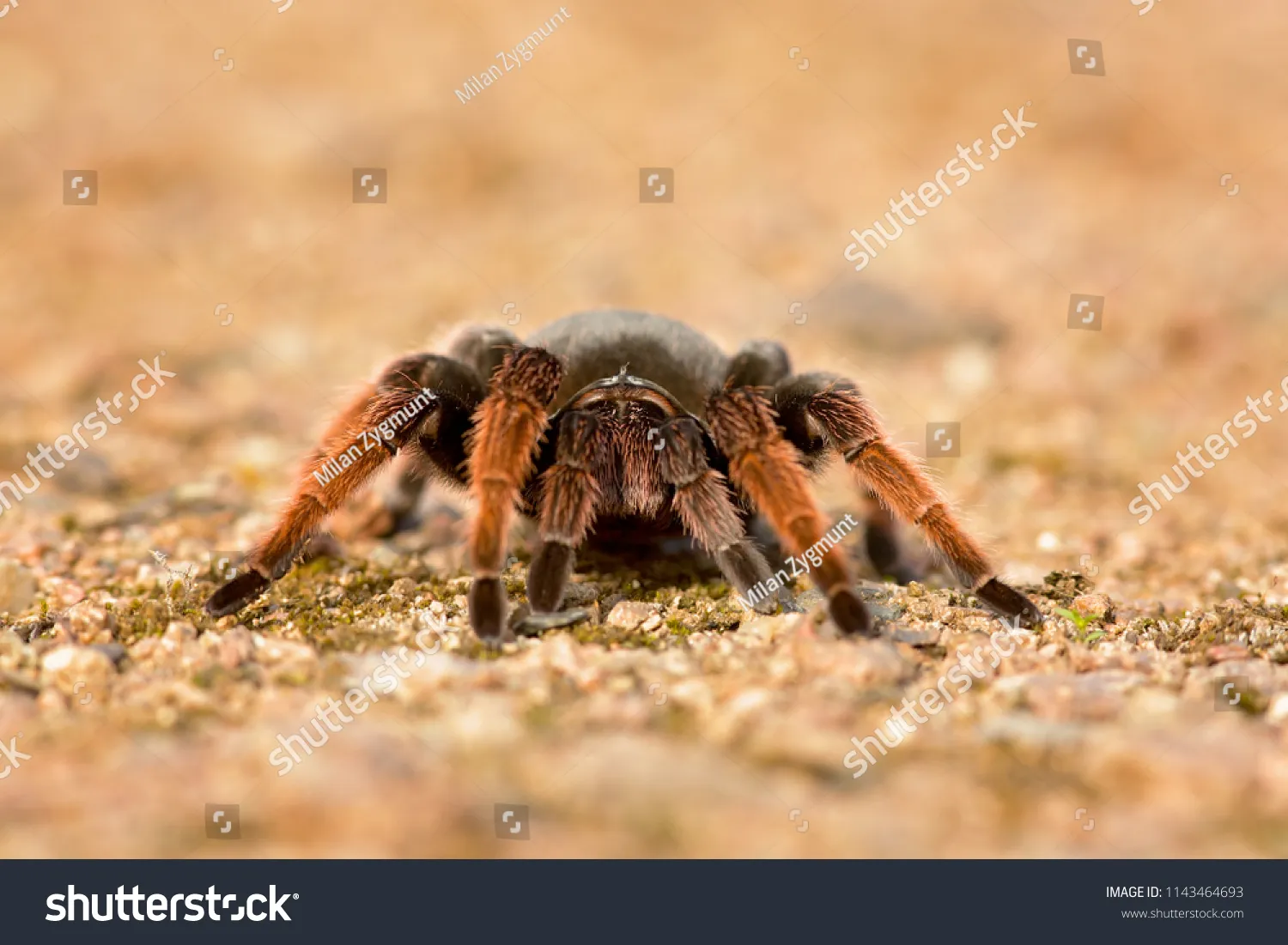
What is a Mexican Brown Tarantula (Brachypelma hamorii)?
The Mexican Brown Tarantula, scientifically known as Brachypelma hamorii, is a captivating species that has captured the hearts of many arachnid enthusiasts. Originating from the Pacific coast of Mexico, these spiders are renowned for their striking appearance and relatively docile temperament, making them popular pets. The Brachypelma hamorii is often confused with the Brachypelma smithi, or the Mexican Red Knee Tarantula, as both species share similar characteristics and habitats. However, the Mexican Brown Tarantula can be identified by specific markings and colorations, which we’ll explore further. Understanding these spiders involves appreciating their biology, behavior, and the ecological role they play in their natural habitats. Their increasing popularity as pets has also highlighted the importance of responsible care and conservation efforts to ensure their survival.
Appearance and Characteristics
Size and Lifespan

Mexican Brown Tarantulas are medium to large spiders, with females generally being larger than males. Adult females can reach a leg span of up to 6 inches, while males are typically slightly smaller. These tarantulas are known for their longevity; females can live for up to 20-25 years in captivity, whereas males have a shorter lifespan, often living for around 5-10 years. This significant difference in lifespan is a characteristic feature among many tarantula species, influenced by their roles in reproduction and overall metabolism. The size and lifespan of these spiders make them a long-term commitment for any potential owner, requiring dedicated care and understanding of their needs throughout their lives. (mexican-brown-tarantula-size.webp)
Coloration and Markings
The Mexican Brown Tarantula is characterized by its dark brown or black body, contrasted by orange or reddish-brown hairs on the legs and carapace. The distinctive feature is the presence of light-colored bands or markings on the leg joints, though less pronounced than those of the Red Knee. These markings help in differentiating it from other similar species. The coloration provides camouflage in their natural habitat, blending seamlessly with the soil and vegetation. The overall appearance of the Mexican Brown Tarantula is a blend of earthy tones, making it a visually appealing species. Their appearance is a key factor in their appeal as pets and a fascinating aspect of their biology.
Natural Habitat and Distribution
Where They Live

In the wild, the Mexican Brown Tarantula is primarily found in the dry scrublands and grasslands of the Pacific coast of Mexico. They inhabit burrows, often dug in the soil or found under rocks and other natural shelters. Their distribution includes areas with moderate temperatures and humidity, where they can thrive. The tarantulas are well-adapted to this environment, with their physical characteristics and behavior helping them survive. The specific microhabitats they choose provide protection from predators and extreme weather conditions, which is crucial for their survival. (mexican-brown-tarantula-habitat.webp)
Burrowing Behavior
Mexican Brown Tarantulas are primarily terrestrial and known for their burrowing behavior. They dig burrows in the ground where they spend most of their time, especially during the day, emerging at night to hunt. The burrows provide shelter from the sun, predators, and temperature fluctuations. This behavior is instinctive, and the structure of the burrow often includes a silk-lined chamber to provide a comfortable and safe environment. The burrowing behavior is an essential part of their survival strategy, providing them with both security and the ideal microclimate for their needs. These spiders usually dig a tunnel in the ground for shelter.
Diet and Feeding Habits
What Do They Eat?

As carnivores, Mexican Brown Tarantulas feed on a variety of insects and other invertebrates in the wild. Their diet primarily consists of crickets, grasshoppers, beetles, and other small arthropods. In captivity, a diet of commercially raised insects is sufficient. The size of the prey should be appropriate for the tarantula’s size, with juveniles requiring smaller insects than adults. The tarantula’s feeding habits are generally opportunistic, with the spider waiting in ambush or actively hunting its prey. These tarantulas are typically opportunistic feeders, and their diet is crucial for their growth and well-being. (mexican-brown-tarantula-feeding.webp)
Feeding Frequency
The feeding frequency for Mexican Brown Tarantulas depends on their age and size. Spiderlings and juveniles require more frequent feeding, usually 2-3 times a week, while adults can be fed once a week or even less. Overfeeding should be avoided, as it can lead to health problems and a shortened lifespan. The tarantula’s abdomen should be moderately sized, and a good indicator of its overall health and condition. Proper feeding frequency and portion sizes are vital for their health and longevity, ensuring they receive the necessary nutrients without overconsumption. Adjustments may be needed based on the individual tarantula’s metabolism and activity levels.
Defense Mechanisms
Hairs and Bites

Mexican Brown Tarantulas have two primary defense mechanisms, the first being urticating hairs, or setae, which they flick off their abdomen when threatened. These hairs are irritating to the skin and eyes of potential predators, including humans. The urticating hairs act as a first line of defense and are typically employed before a bite. Bites are rare but can occur if the tarantula feels directly threatened, and while not medically significant, can be painful. Always approach and handle the tarantula carefully. (mexican-brown-tarantula-defense.webp)
Defensive Posture
Besides urticating hairs, the Mexican Brown Tarantula can adopt a defensive posture when threatened. This usually involves raising the front legs, exposing its fangs, and displaying a threat posture. This behavior is a clear warning sign and should be respected. It is critical to avoid provoking the tarantula and providing it with enough space to feel secure. Understanding the defensive postures is critical for responsible pet ownership and to prevent potential bites or injuries to the spider or the handler. Observing this behavior is an important part of understanding these spiders.
Captive Care and Handling
Enclosure Requirements

When keeping a Mexican Brown Tarantula as a pet, it is essential to provide a suitable enclosure. A glass or plastic terrarium is best, and the size should be appropriate for the size of the tarantula. As a general rule, the enclosure should be at least three times the tarantula’s leg span in width. The enclosure should have a substrate of peat moss, coconut fiber, or a similar material to allow for burrowing. It should also include a hide, such as a piece of cork bark or a hollow log, for the tarantula to feel secure. The enclosure should also include a shallow water dish. (mexican-brown-tarantula-enclosure.webp)
Temperature and Humidity
Maintaining proper temperature and humidity levels is crucial for the health of a Mexican Brown Tarantula. The ideal temperature range is between 75-85°F (24-29°C). A heat lamp or under-tank heater can be used to maintain this temperature, but be sure to monitor the temperature carefully. The humidity levels should be maintained at around 60-70%, which can be achieved by lightly misting the enclosure with water and ensuring adequate ventilation. Incorrect humidity can cause problems like molting issues. The proper environmental conditions are essential for these tarantulas to thrive in captivity.
Breeding and Reproduction
Mating Rituals

Breeding Mexican Brown Tarantulas in captivity can be a rewarding experience, but it requires careful planning and preparation. The mating process involves a series of intricate rituals. The male tarantula will approach the female, often drumming his pedipalps on the ground. If the female is receptive, she will allow the male to approach and mate with her. There are a few risks that are related to this process. If the female is not receptive, she might attack the male. The male must quickly retreat after mating to avoid being cannibalized. (mexican-brown-tarantula-mating.webp)
Egg Sacs and Spiderlings
After mating, the female Mexican Brown Tarantula will produce an egg sac, which she will protect until the spiderlings hatch. The egg sac can contain hundreds of eggs. The female will guard the egg sac until the spiderlings emerge. The spiderlings will then molt several times before they become independent. Raising spiderlings requires providing them with appropriate food and living conditions. The process is a fascinating insight into the tarantula’s life cycle. Successful breeding often requires replicating the tarantula’s natural environment as closely as possible, ensuring both temperature and humidity are optimal.
Conservation Status
Threats to the Mexican Brown Tarantula
The Mexican Brown Tarantula, like many other tarantula species, faces several threats in its natural habitat. Habitat loss due to urbanization, agriculture, and deforestation poses a significant risk, as it reduces the available space for the tarantulas to live and thrive. The illegal pet trade also puts pressure on wild populations, as collectors often remove them from their natural habitats. Additionally, the use of pesticides and other environmental pollutants can also impact their food sources and overall health. Protecting their habitat is necessary. (mexican-brown-tarantula-overview.webp)
Importance of Conservation
Conservation efforts are crucial to ensuring the long-term survival of the Mexican Brown Tarantula. These efforts include habitat preservation, the regulation of the pet trade, and educating the public about the importance of these spiders and their role in the ecosystem. Supporting responsible breeding practices and buying captive-bred tarantulas can help reduce the demand for wild-caught specimens. By understanding the threats and taking action, we can help protect these fascinating creatures. Conservation involves protecting their habitat from destruction and promoting sustainable practices to safeguard their future.