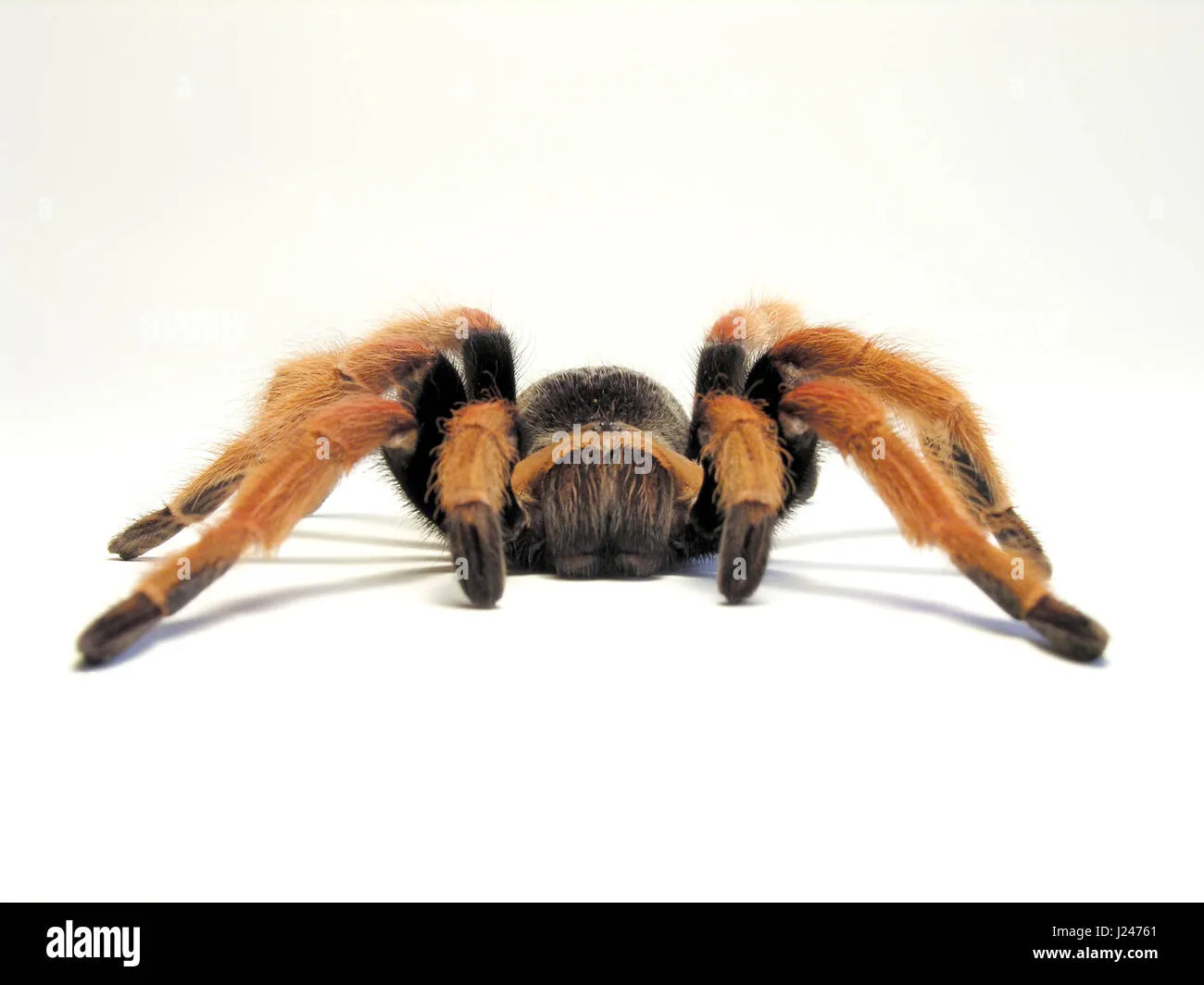
Top 5 Facts About Mexican Fireleg Tarantula Bites
The Mexican Fireleg Tarantula, a vibrant and captivating arachnid, is a popular pet for many. However, like all tarantulas, they possess the ability to bite. Understanding the potential risks associated with a Mexican Fireleg tarantula bite is crucial for both owners and those who may encounter these spiders. This article will delve into the top five facts about Mexican Fireleg Tarantula bites, covering everything from the immediate effects to long-term considerations, and important safety precautions. Knowing how to react if you are bitten can make all the difference. This information can help mitigate anxiety and promote a sensible approach to dealing with a bite.
Fact 1 What Happens When You Get Bit?
A Mexican Fireleg tarantula bite is typically a defensive measure. While their bite is not usually lethal to humans, it can be painful and cause a variety of unpleasant symptoms. When a tarantula bites, it injects venom through its fangs. The severity of the bite depends on factors such as the amount of venom injected, the individual’s sensitivity to the venom, and the size and health of the tarantula. Immediately after a bite, it is essential to remain calm, monitor symptoms, and seek medical advice if necessary, particularly if symptoms worsen or if you have known allergies.
Venom Composition and Effects

The venom of a Mexican Fireleg tarantula is a complex mixture of proteins, enzymes, and other substances that can cause localized reactions. The primary effects are usually related to pain, inflammation, and discomfort at the site of the bite. The venom primarily targets the area around the bite, which can lead to swelling, redness, and tenderness. The venom is designed to immobilize their prey, but in humans, the effects are much less severe. The specific composition of the venom varies slightly between different tarantulas and individual bites, impacting the severity and the type of reactions experienced.
Severity of the Bite
The severity of a Mexican Fireleg tarantula bite can range from mild to moderate. Most bites result in localized symptoms, such as immediate pain, redness, swelling, and itching around the bite site. In more severe cases, symptoms may include muscle cramps, nausea, and fever. The severity is influenced by several factors, including the amount of venom injected, the size of the tarantula, and the individual’s sensitivity to the venom. Children, the elderly, and individuals with underlying health conditions may experience more pronounced symptoms. It is essential to monitor the bite and seek medical attention if the symptoms become severe or systemic.
Fact 2 Common Symptoms to Watch For
Knowing the common symptoms of a Mexican Fireleg tarantula bite is crucial for prompt and effective treatment. Recognizing these signs allows you to take appropriate action quickly, reducing the likelihood of complications. Symptoms can vary from person to person, but being aware of the potential effects can help you manage the situation effectively. Familiarity with the range of possible symptoms enables a more informed response, ensuring you can seek timely medical assistance if needed. The ability to identify and address these symptoms can significantly improve the outcome of a bite incident.
Immediate Signs
Immediate signs of a Mexican Fireleg tarantula bite typically appear within minutes of the bite. These include sharp, localized pain at the site of the bite, similar to a bee sting. Redness and swelling around the bite area are also common, and you may experience a burning sensation. Itching and tenderness may also be present. These immediate reactions are caused by the venom’s initial impact and the body’s immune response. Careful observation of these initial reactions can provide insight into the severity of the bite and whether additional medical care might be needed. The initial reactions provide an immediate basis for assessing and managing the situation.
Delayed Reactions
Delayed reactions can occur hours or even days after a Mexican Fireleg tarantula bite. These may include muscle cramps, joint pain, and in some cases, nausea or fever. More serious, but less common, reactions include allergic reactions, which can manifest as hives, difficulty breathing, and swelling of the face or throat. Delayed reactions indicate a continuing systemic response to the venom. Monitoring for these delayed symptoms is crucial for identifying potential complications and seeking appropriate medical assistance. Being aware of these possibilities ensures a proactive approach to care.
Fact 3 First Aid and Immediate Care
If bitten by a Mexican Fireleg tarantula, immediate first aid is vital to manage the symptoms and prevent complications. Proper first aid can significantly reduce the severity of the bite and promote faster healing. This involves a series of steps, beginning with immediate care at the site of the bite and continuing with ongoing monitoring. Knowing these steps can help minimize the impact of the bite, providing both comfort and confidence while you seek additional medical guidance. Immediate response is critical.
Cleaning the Wound

Immediately after a bite, gently clean the wound with mild soap and water. This helps remove any remaining venom from the surface and reduces the risk of infection. Avoid harsh chemicals or scrubbing, as these can irritate the skin. After cleaning, apply a cold compress to the bite site to reduce swelling and pain. Clean the wound thoroughly and regularly, while observing for any signs of infection. Proper wound care will help prevent infection and promote healing. Regular cleansing is a crucial step in first aid.
Pain Management
Pain management is a key aspect of care following a Mexican Fireleg tarantula bite. Over-the-counter pain relievers, such as ibuprofen or acetaminophen, can help alleviate pain and discomfort. Avoid aspirin, as it can increase bleeding. Elevating the affected limb can help reduce swelling. Continue to monitor the area for any worsening symptoms, and consider seeking professional medical advice if the pain is severe or persistent. Using pain management strategies can significantly enhance comfort and quality of life during recovery. Prioritize comfort through pain management.
Fact 4 Long-Term Effects and Complications
While most Mexican Fireleg tarantula bites are not life-threatening, long-term effects and complications can occur in some cases. Understanding these potential issues is crucial for managing the bite effectively and seeking appropriate medical care when needed. These complications can range from mild allergic reactions to more serious infections. Awareness of these possible effects enables proactive management and helps to prepare for potential long-term care and attention. This knowledge ensures informed decisions about health and well-being.
Allergic Reactions

Allergic reactions to a Mexican Fireleg tarantula bite can vary in severity. Mild reactions may include localized itching, hives, and swelling. More severe allergic reactions, such as anaphylaxis, can cause difficulty breathing, swelling of the throat, and a drop in blood pressure. Anyone with a history of allergies should seek immediate medical attention after a bite. Always seek professional medical advice and potential treatment such as antihistamines or epinephrine. Allergies need immediate and professional care.
Infections
Infections can occur if bacteria enter the bite wound. Signs of infection include increased redness, swelling, warmth, pus, and fever. It’s essential to keep the wound clean and monitor for any signs of infection. Antibiotics may be necessary to treat bacterial infections. Proper wound care, including regular cleaning and appropriate first aid, is critical to prevent infections. Infection can prolong healing and introduce additional health risks. Always look for signs of infection.
Fact 5 Prevention and Safety Measures
Preventing Mexican Fireleg tarantula bites involves a combination of careful handling, habitat safety, and education. The most effective approach is to avoid situations where bites are likely to occur. Understanding these measures allows you to create a safe environment for both yourself and your tarantula. By proactively implementing these practices, the risk of bites is dramatically reduced, ensuring a safer experience. Safety first should always be the priority.
Handling Precautions

When handling a Mexican Fireleg tarantula, always use appropriate precautions. Avoid handling the tarantula unless necessary, and never handle it when it is agitated or stressed. Always wash your hands before and after handling your tarantula. Handle the tarantula in a secure area, such as over a soft surface. Use tools like tongs or a soft brush to move the tarantula. These precautions help minimize the risk of bites. Safe handling is essential for responsible pet ownership.
Habitat Safety
Habitat safety is crucial for both your safety and the well-being of your tarantula. Ensure the enclosure is escape-proof and secure. Keep the enclosure in a safe area away from children and pets. Avoid placing the enclosure in high-traffic areas where it could be accidentally bumped. Regularly clean and maintain the enclosure to prevent the buildup of debris and potential hazards. A secure and well-maintained habitat reduces the risk of accidental contact and ensures your tarantula’s environment remains safe. A secure habitat is vital for the well-being of your tarantula.