Understanding the Mexican Fireleg Tarantula
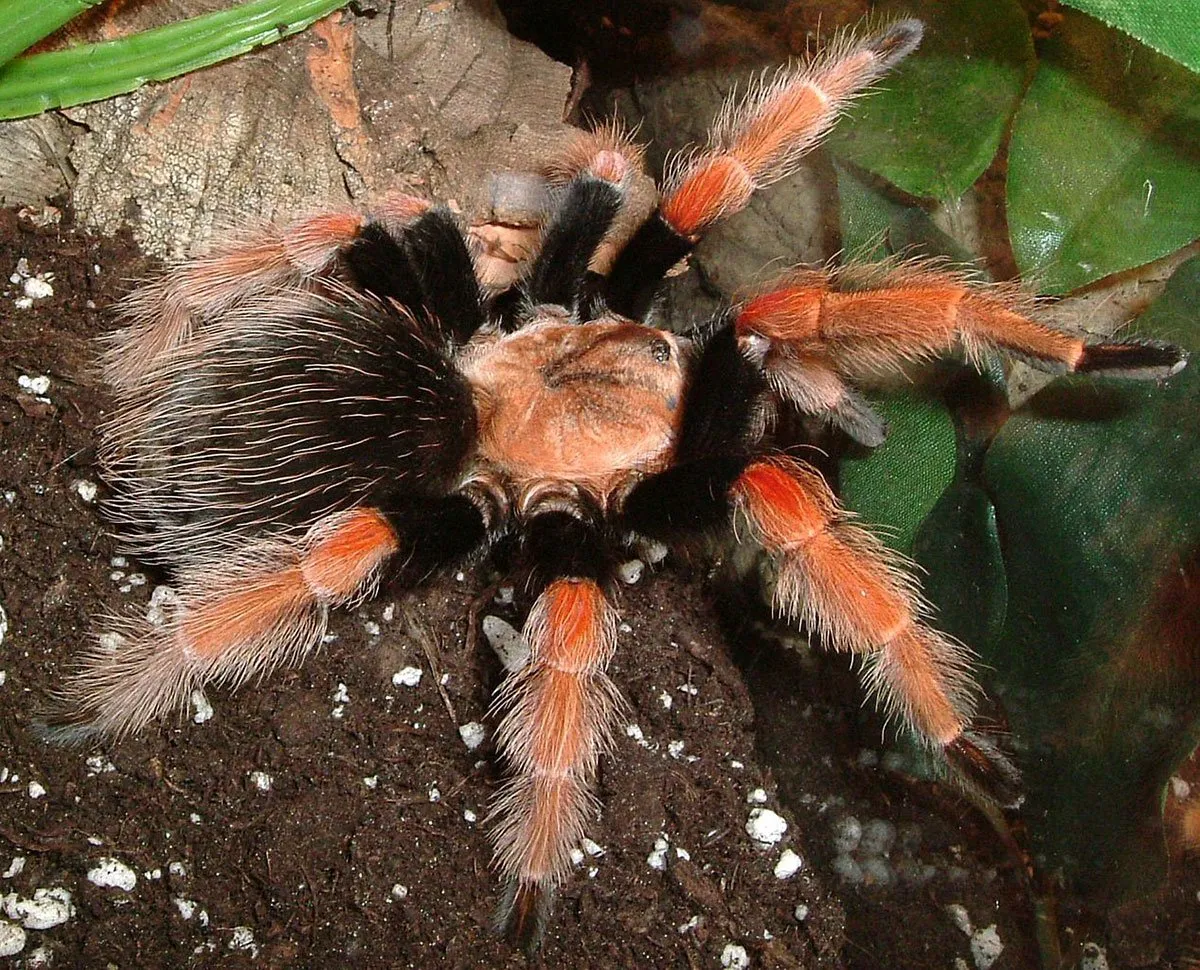
The Mexican Fireleg Tarantula (Brachypelma boehmei) is a stunning and popular species among tarantula enthusiasts. Known for its vibrant orange-red hairs on its legs and carapace, contrasted against a black body, this tarantula is a visual masterpiece. This comprehensive guide dives into everything you need to know to provide exceptional care and ensure your Mexican Fireleg thrives. From habitat setup to feeding and handling, we’ll cover the essential elements to help you become a successful tarantula keeper. Owning a tarantula is a rewarding experience, providing a unique opportunity to observe and appreciate these fascinating creatures, but it’s essential to be well-informed before bringing one home.
Appearance and Characteristics
The Mexican Fireleg Tarantula is immediately recognizable by its striking coloration. The legs and the carapace (the top part of its body) exhibit a brilliant orange-red hue, while the abdomen and the rest of the body are typically a deep black. Adult females can reach a leg span of up to 6 inches, while males are often slightly smaller. They possess urticating hairs on their abdomen, which they can flick off as a defense mechanism. These hairs are irritating to the skin and eyes, so it’s important to handle them with care and avoid direct contact whenever possible. The vibrant colors of the Mexican Fireleg make it a visually appealing pet, and their relatively docile temperament adds to their appeal among tarantula keepers.
Natural Habitat and Behavior

In their natural habitat, Mexican Fireleg Tarantulas are found in the tropical forests of the Pacific coast of Mexico, where they burrow in the ground or utilize existing shelters. They are terrestrial tarantulas, meaning they spend most of their time on the ground. They are typically nocturnal creatures, most active during the night when they venture out to hunt for food. They are relatively docile spiders, but like all tarantulas, they can be defensive if they feel threatened. Understanding their natural behavior is key to providing them with a comfortable and enriching environment in captivity. Providing a suitable habitat that mimics their natural environment will help them thrive and exhibit their natural behaviors.
Creating the Ideal Habitat
Creating the right environment is crucial for the health and well-being of your Mexican Fireleg Tarantula. The ideal habitat should replicate their natural environment as closely as possible, providing them with a sense of security and the necessary conditions to thrive. This involves selecting the right enclosure, substrate, hiding places, and maintaining the appropriate temperature and humidity levels. A well-designed habitat will not only keep your tarantula healthy but also allow you to observe their fascinating behaviors and enjoy their presence. By paying close attention to these details, you can create a thriving environment for your pet tarantula.
Enclosure Size and Type
The size and type of enclosure you choose will depend on the size of your tarantula. For slings (juvenile tarantulas), a small deli cup or a 5-gallon terrarium is sufficient. As they grow, you’ll need to upgrade to a larger enclosure. A good rule of thumb is to provide an enclosure that is at least three times the tarantula’s leg span in length and width. A 10-20 gallon terrarium is typically suitable for adult Mexican Firelegs. Ensure the enclosure has a secure lid to prevent escape. Glass or acrylic enclosures are ideal, providing good visibility and ease of maintenance. Ventilation is also essential, so make sure the enclosure has proper ventilation holes to ensure good airflow and prevent the buildup of humidity.
Substrate Selection
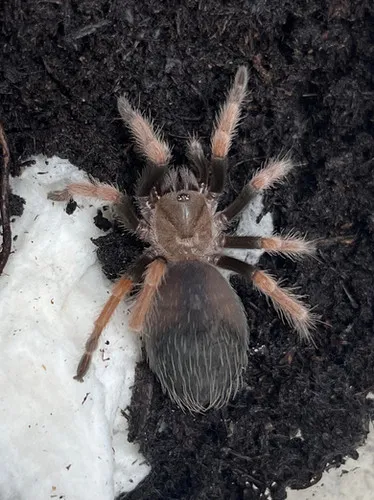
The substrate serves as the flooring of your tarantula’s enclosure and provides a comfortable and safe environment. The best substrate for a Mexican Fireleg Tarantula is a mixture of coco fiber, peat moss, and a bit of vermiculite. This combination retains moisture well, allowing for the appropriate humidity levels, and it also allows the tarantula to burrow if it chooses to do so. The substrate should be deep enough, around 4-6 inches, to allow for burrowing. Avoid substrates like sand or gravel, as they can be abrasive and difficult to maintain. Always ensure the substrate is clean and free of any pesticides or chemicals.
Hiding Spots and Decor
Mexican Fireleg Tarantulas are often shy and benefit from having hiding places in their enclosure where they can retreat and feel safe. Provide a half-log, a piece of cork bark, or an artificial cave. These hiding spots provide security and allow your tarantula to regulate its stress levels. You can also add some artificial plants or decorations to the enclosure to make it more visually appealing and provide additional cover. Make sure any decorations are secure and won’t fall on your tarantula. The goal is to create a naturalistic environment that mimics their natural habitat and provides a comfortable and secure living space. Avoid using anything that could be toxic or harmful to your tarantula.
Temperature and Humidity
Maintaining the correct temperature and humidity is essential for the health and well-being of your Mexican Fireleg. The ideal temperature range is between 75-85°F (24-29°C). You can use a heat mat placed on the side of the enclosure to provide supplemental heat, but avoid placing the heat mat directly under the enclosure, as this can cause the substrate to dry out too quickly. Humidity levels should be maintained between 60-70%. You can measure the humidity with a hygrometer. To maintain the correct humidity, lightly mist the substrate with water every few days, but avoid overwatering the enclosure, which can lead to mold growth. Good ventilation is also essential to prevent the build-up of excessive humidity.
Feeding Your Mexican Fireleg Tarantula

Proper feeding is crucial for the growth and health of your Mexican Fireleg Tarantula. The diet should consist primarily of insects, and the frequency of feeding will depend on the tarantula’s age and size. It’s important to offer a variety of food items to ensure they receive all the necessary nutrients. Overfeeding can lead to health problems, so it’s important to find a balance. Providing fresh water and a clean environment is also essential for their overall well-being. Monitoring their feeding habits and adjusting the diet accordingly will help you ensure that your tarantula remains healthy and thriving.
Appropriate Diet and Feeding Frequency
The primary food source for a Mexican Fireleg Tarantula should be insects. Suitable food items include crickets, mealworms, roaches, and other readily available insects. The size of the insect should be appropriate for the size of your tarantula; the insect should be no larger than the tarantula’s body. Slings should be fed 2-3 times a week, while adults can be fed once a week or every other week. Always remove any uneaten food items within 24 hours to prevent mold growth and maintain a clean environment. You can also supplement their diet with occasional treats like pre-killed waxworms or superworms, but these should be offered sparingly.
Watering and Hydration
Providing access to fresh water is crucial for your tarantula’s hydration. Always have a shallow water dish available in the enclosure. The water dish should be shallow enough to prevent the tarantula from drowning. Change the water regularly, at least once or twice a week, to keep it clean and prevent the growth of bacteria. You can also mist the enclosure lightly with water to increase humidity. However, avoid over-misting, as this can lead to mold growth. Ensure the water is clean and free of any chemicals or additives. Hydration is essential for molting and overall health, so always provide a clean water source.
Handling and Safety Precautions

While the Mexican Fireleg Tarantula is relatively docile, it’s important to handle them with care and take the necessary safety precautions. Tarantulas are not meant to be handled frequently, as this can stress them out and potentially lead to injury. If you choose to handle your tarantula, do so with extreme caution and always be aware of their behavior. Always wash your hands before and after handling your tarantula to prevent the spread of germs. Always be aware of the potential for defensive behaviors and avoid any actions that might provoke a defensive response. Being well-informed and taking the necessary precautions will help you ensure a safe and positive experience for both you and your tarantula.
Safe Handling Practices
If you choose to handle your Mexican Fireleg, do so with extreme care. The best way to handle a tarantula is to gently coax it onto your hand or let it walk onto your hand. Never try to grab or restrain the tarantula, as this can provoke a defensive reaction. Handle the tarantula over a soft surface, such as a bed or a carpet, to minimize the risk of injury if it falls. Always wash your hands thoroughly before and after handling the tarantula. Be mindful of the urticating hairs and avoid rubbing your eyes or face while handling it. It is generally recommended to limit handling to necessary situations only, such as cleaning the enclosure or moving the tarantula.
Recognizing and Avoiding Defensive Behaviors
Mexican Firelegs, like all tarantulas, may exhibit defensive behaviors if they feel threatened. These behaviors can include raising their front legs, rearing up, and flicking urticating hairs. If you see any of these signs, it’s best to leave the tarantula alone. Avoid making sudden movements or loud noises that might startle the tarantula. Never poke or prod the tarantula to get it to move. Recognizing the signs of stress and understanding their behavior is crucial for preventing defensive reactions. Always respect their space and avoid handling them if they show any signs of being stressed or agitated. Always prioritize their safety and well-being.
Health and Common Issues

Like all pets, Mexican Fireleg Tarantulas can be susceptible to certain health issues. Recognizing the signs of illness and taking prompt action is crucial for ensuring their well-being. Regular monitoring of their behavior, feeding habits, and overall appearance can help you identify any potential problems early on. Most issues are easily treatable if caught early, but ignoring health problems can lead to serious complications. Maintaining a clean and appropriate environment is the best way to prevent health problems in the first place. By understanding the common health concerns, you can ensure that your tarantula lives a long, healthy life.
Identifying and Treating Common Health Problems
Some common health issues in Mexican Fireleg Tarantulas include mites, fungal infections, and impaction. Mites can infest the tarantula and cause irritation. Fungal infections can occur if the humidity is too high or the substrate is not clean. Impaction can occur if the tarantula consumes too much substrate while feeding. If you notice mites, you can try to remove them with a soft brush and change the substrate. For fungal infections, improve ventilation and reduce humidity. If you suspect impaction, provide a shallow water dish and ensure the tarantula has access to water. If you see any signs of illness, such as lethargy, loss of appetite, or unusual behavior, consult with an experienced tarantula keeper or a veterinarian who specializes in exotic animals.
Molting Process and Care
Molting is a natural process in tarantulas where they shed their exoskeleton to grow. During molting, the tarantula will typically lie on its back. It’s important not to disturb the tarantula during this time. Provide extra humidity during molting by lightly misting the enclosure. After molting, the tarantula’s fangs and body will be soft, and they will be vulnerable. Do not feed the tarantula for a few days after molting to allow its fangs to harden. The entire process can take several hours, and it’s critical to maintain a stress-free environment. Providing the right environment is vital to the molting process, ensuring the tarantula can successfully shed its exoskeleton.
Breeding and Reproduction

Breeding Mexican Fireleg Tarantulas is a complex process that requires knowledge and experience. It’s important to be well-informed before attempting to breed them. This involves selecting the right breeding pair, creating the appropriate environment, and providing the necessary care for both the adult tarantulas and the spiderlings. Breeding tarantulas is a rewarding but challenging endeavor, requiring a significant commitment of time and resources. Success in breeding can vary, and it’s important to be patient and prepared for the complexities involved.
Understanding the Breeding Process
To breed Mexican Fireleg Tarantulas, you’ll need a mature male and female. The male will need to create a sperm web, and the female will need to be receptive. The mating process involves the male transferring sperm to the female. After mating, the female will create an egg sac, which she will guard. The egg sac will contain the eggs, which will hatch into spiderlings. The entire process can take several months. It is essential to carefully monitor the tarantulas and provide a safe environment during mating and egg sac development. Separation of the male after mating is often necessary to prevent the female from consuming him. The breeding process is fascinating, and careful observation is key to success.
Caring for Spiderlings
Once the spiderlings hatch, they will need to be separated into individual enclosures to prevent cannibalism. Provide small enclosures with appropriate substrate, hiding places, and a water source. Feed the spiderlings small, flightless fruit flies or pinhead crickets. Provide a secure environment with the proper temperature and humidity. Spiderlings grow quickly and will need to be monitored closely. Ensure they have access to food and water. Over time, the spiderlings will molt and grow into juvenile tarantulas. Caring for spiderlings requires patience, dedication, and meticulous attention to detail. Careful observation and maintenance are critical for their survival and healthy development.
Conclusion
Caring for a Mexican Fireleg Tarantula can be a rewarding experience. By understanding their needs and providing them with the appropriate environment, you can ensure they thrive. From habitat setup to feeding, handling, and health, this guide provides you with the essential information to become a successful tarantula keeper. Remember to research thoroughly, monitor your tarantula’s behavior, and always prioritize their well-being. With proper care and attention, your Mexican Fireleg Tarantula can become a fascinating and cherished companion for years to come. Enjoy the journey of owning these magnificent creatures and appreciate their unique beauty and characteristics.