Mexican Red Knee Tarantula Overview
The Mexican Red Knee Tarantula (Brachypelma hamorii), a captivating arachnid, has become a popular choice for both novice and experienced tarantula enthusiasts. Known for its striking coloration and relatively docile temperament, this species offers a fascinating glimpse into the world of invertebrates. Originating from the arid scrublands and tropical deciduous forests of the Pacific coast of Mexico, the Mexican Red Knee is a terrestrial tarantula, spending most of its time on the ground or in burrows. This guide provides comprehensive information on caring for these magnificent creatures, from setting up their habitat to understanding their unique behaviors and needs. Whether you’re considering adding a Mexican Red Knee to your family or are already a proud owner, this guide will equip you with the knowledge to ensure your tarantula thrives.
Appearance and Characteristics
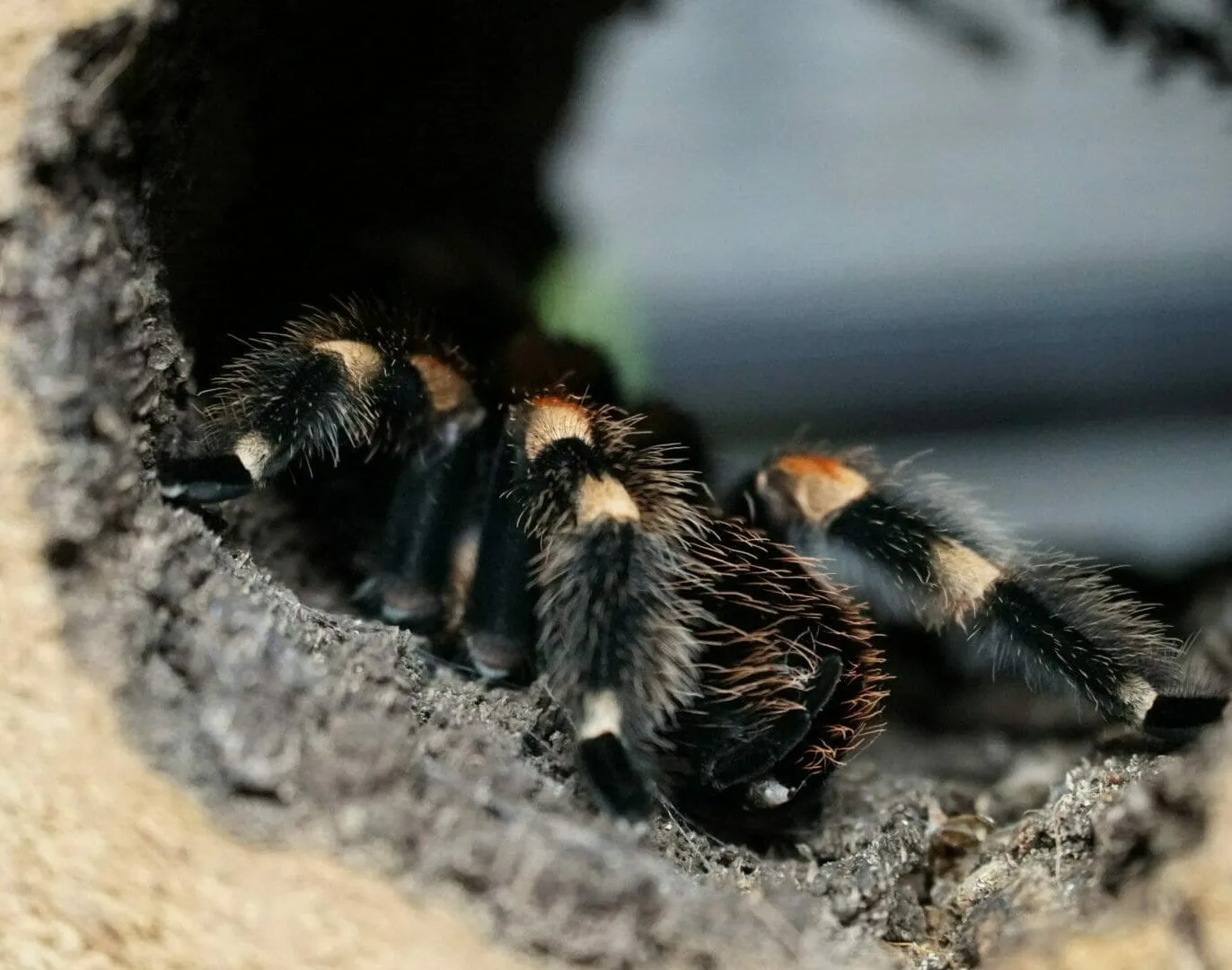
The Mexican Red Knee Tarantula earns its name from the vibrant red-orange markings on its leg joints, which beautifully contrast against its black body. This striking coloration is a key identifying feature of this species. Their bodies are covered in fine hairs called setae, which provide sensory information and aid in defense. The carapace, the upper shell of the cephalothorax, is usually a dark brown or black, adding to the overall aesthetic appeal. The abdomen is covered with urticating hairs, which the tarantula can flick off as a defense mechanism when threatened. These hairs cause irritation upon contact. The overall appearance of the Mexican Red Knee is robust, with a body length typically reaching up to 6 inches, excluding the legs.
Size and Lifespan

Mexican Red Knee Tarantulas are relatively slow-growing, with females generally living much longer than males. On average, females can live for 20-30 years, making them a long-term commitment for any pet owner. Males, on the other hand, have a shorter lifespan, typically only living for 5-10 years after reaching maturity. The size of a Mexican Red Knee varies with age and sex. Females typically grow larger than males, reaching a leg span of up to 5-6 inches. Males are generally smaller. The growth rate is dependent on factors like feeding frequency, temperature, and overall care. A well-cared-for tarantula will molt regularly as it grows, shedding its exoskeleton to reveal a new, larger one.
Temperament and Behavior
Mexican Red Knee Tarantulas are known for their relatively docile temperament, making them a popular choice for beginners. They are generally not aggressive but can become defensive if provoked or threatened. Their primary defense mechanism is to flick urticating hairs from their abdomen, which can cause skin irritation. They may also exhibit threat postures, such as rearing up or showing their fangs, if they feel threatened. These tarantulas are nocturnal, meaning they are most active during the night. During the day, they often retreat to their burrows or hides. They are opportunistic hunters, waiting for prey to come within striking distance. Observing their behavior, such as their feeding habits, molting process, and interactions with their environment, offers a unique insight into their fascinating lives.
Habitat and Enclosure
Creating a suitable habitat is essential for the health and well-being of your Mexican Red Knee Tarantula. The enclosure should mimic their natural environment as closely as possible, providing them with a comfortable and secure space. The size of the enclosure should be appropriate for the size of the tarantula, with enough space for them to move around, burrow, and hide. The enclosure should also be escape-proof, with a secure lid. It is important to consider factors such as ventilation, substrate, temperature, and humidity when setting up the enclosure. A well-designed enclosure will not only provide a comfortable home for your tarantula but will also enhance your viewing experience.
Choosing the Right Enclosure

The enclosure should be appropriately sized to accommodate the tarantula’s adult size. A good rule of thumb is to provide an enclosure that is at least three times the tarantula’s leg span in width and length. For an adult Mexican Red Knee, a 10-gallon tank or a similar-sized enclosure is often sufficient. The enclosure should have good ventilation to prevent the buildup of mold and bacteria, but the ventilation should not be excessive, as this can lead to a drop in humidity. Clear glass or acrylic enclosures are ideal, as they allow for easy observation of the tarantula. The lid should be secure and escape-proof, with no gaps that the tarantula could squeeze through. The enclosure should be easy to clean and maintain, with convenient access for feeding and watering.
Substrate and Decoration
The substrate is the bedding material that covers the bottom of the enclosure and serves several important purposes. It provides a surface for the tarantula to walk on, allows them to burrow, and helps to maintain humidity. A good substrate for a Mexican Red Knee Tarantula is a mixture of peat moss, coco fiber, and a small amount of vermiculite or sphagnum moss. This combination provides excellent moisture retention and allows the tarantula to create burrows. The substrate should be deep enough to allow the tarantula to burrow, typically 4-6 inches. Decorations such as cork bark, artificial plants, and sturdy hides should be provided to give the tarantula places to hide and feel secure. Ensure that any decorations are securely placed and do not pose a risk of crushing the tarantula.
Temperature and Humidity
Maintaining the correct temperature and humidity levels is crucial for the health of your Mexican Red Knee Tarantula. The ideal temperature range is between 75-85°F (24-29°C). A heat lamp or a heat mat placed on the side of the enclosure can be used to maintain the appropriate temperature, but direct heat sources should be avoided to prevent burns. Humidity levels should be maintained between 60-70%. This can be achieved by lightly misting the enclosure with water every few days or by providing a water dish. A hygrometer can be used to monitor the humidity levels accurately. Proper ventilation is essential to prevent mold growth, but it should not be so excessive that it dries out the enclosure.
Feeding Your Mexican Red Knee Tarantula

Feeding your Mexican Red Knee Tarantula appropriately is essential for its health and growth. They are voracious eaters and will readily consume a variety of insects. However, it’s important to provide them with a balanced diet and avoid overfeeding. The frequency of feeding and the types of insects offered depend on the tarantula’s size and age. Providing the right diet and feeding schedule will ensure your tarantula thrives and remains healthy throughout its long lifespan. Always remove uneaten food within 24 hours to prevent mold and maintain a clean enclosure.
Diet and Feeding Frequency
The primary diet for a Mexican Red Knee Tarantula consists of insects. Crickets, mealworms, and dubia roaches are common and readily available options. The size of the prey should be appropriate for the tarantula’s size. As a general rule, the prey should be no larger than the tarantula’s body. Spiderlings and juveniles should be fed more frequently, typically 2-3 times a week, while adults can be fed once a week or every other week. Always offer a variety of insects to provide a balanced diet. It’s crucial to gut-load the insects before feeding them to your tarantula, providing them with nutritious food. This process involves feeding the insects a high-quality diet to ensure they are packed with vitamins and minerals before becoming food for your tarantula.
Water and Hydration
Providing fresh water is essential for the health of your tarantula. A shallow water dish should always be available in the enclosure. The water dish should be placed on the substrate and should be shallow enough to prevent the tarantula from drowning. Change the water regularly, typically every 1-2 days, and ensure the dish is clean. Some tarantula keepers also mist their enclosures lightly every few days to increase humidity and provide additional hydration, but this should be done carefully to avoid over-humidifying the enclosure. Tarantulas absorb moisture through their exoskeletons, so a consistent water source is vital for their survival and well-being. Make sure the water is always clean and free of any contaminants.
Handling and Interaction

While Mexican Red Knee Tarantulas are known for their relatively docile temperament, it is essential to handle them with care and caution. They are not typically aggressive, but they can be startled and may react defensively. It is essential to understand their behavior and how to handle them safely to avoid any potential harm to yourself or the tarantula. Handling should be kept to a minimum and only done when necessary. It’s more important to create an environment where your tarantula feels secure and comfortable, observing their natural behaviors rather than forcing interaction.
Handling Safely
If you choose to handle your tarantula, do so with extreme caution. Always approach the tarantula calmly and gently. Avoid sudden movements or loud noises that might startle it. Allow the tarantula to walk onto your hand rather than grabbing or forcing it. Support the tarantula’s body, ensuring it doesn’t fall. Handle the tarantula over a soft surface, such as a bed or carpet, to minimize the risk of injury if it falls. Wash your hands thoroughly before and after handling to prevent the spread of any potential irritants or contaminants. Remember that each tarantula has its own personality and tolerance for handling. If your tarantula shows signs of stress, such as raising its front legs, it’s best to avoid handling it.
Signs of Stress
It’s important to recognize the signs of stress in your Mexican Red Knee Tarantula to avoid causing unnecessary distress. Some signs of stress include the tarantula raising its front legs, flicking urticating hairs, or running away. Other signs may include a change in behavior, such as becoming reclusive or refusing to eat. If your tarantula is exhibiting signs of stress, it is best to leave it alone and allow it to retreat to its hide. Providing a secure and comfortable environment is the best way to reduce stress. Regularly observe your tarantula’s behavior to recognize any changes, which may indicate that something in its environment needs to be adjusted.
Health and Common Issues

Like all living creatures, Mexican Red Knee Tarantulas can be susceptible to certain health issues. Understanding these potential problems and knowing how to prevent and address them is crucial for responsible tarantula ownership. Regular observation and preventative care will help ensure that your tarantula remains healthy and thrives. Many health issues can be avoided by providing a clean environment, proper nutrition, and suitable habitat conditions. If you suspect your tarantula is ill, consult a veterinarian experienced in exotic animals.
Shedding and Molting
Molting is a natural process where tarantulas shed their exoskeleton to grow. During this process, the tarantula becomes vulnerable. Before molting, the tarantula will typically stop eating and may appear lethargic. The tarantula will often flip onto its back to molt, a position that can be alarming if you are not familiar with it. The process of molting can take several hours, or even days. Do not disturb your tarantula during the molting process. After molting, the tarantula’s new exoskeleton will be soft and fragile. It will take a few days for the exoskeleton to harden. Avoid feeding your tarantula for a week or two after molting to allow the fangs to harden fully. Proper humidity levels are essential during molting, as they help the tarantula to shed its exoskeleton successfully.
Parasites and Diseases
While Mexican Red Knee Tarantulas are generally hardy, they can be susceptible to parasites or diseases. Mites are a common issue, which can infest the tarantula and cause irritation. If you suspect your tarantula has mites, isolate it immediately and consult with a veterinarian. Fungal infections can also occur if the enclosure is too humid or not properly ventilated. These infections can be identified by unusual spots or discoloration on the tarantula’s body. Other diseases, such as bacterial infections, can occur due to poor hygiene. Maintaining a clean enclosure, providing a balanced diet, and monitoring your tarantula’s behavior are all essential to prevent these issues. Always quarantine new tarantulas to prevent the spread of diseases or parasites to your established collection.
Breeding Mexican Red Knee Tarantulas

Breeding Mexican Red Knee Tarantulas can be a rewarding but complex endeavor. It requires careful planning, specialized knowledge, and a suitable setup. Breeding tarantulas is not only challenging but also requires a significant commitment of time and resources. Understanding the breeding process is critical to ensure a successful outcome and the health of both the male and female tarantulas. This section provides a brief overview of the breeding process.
Sexing Your Tarantula
Before attempting to breed Mexican Red Knee Tarantulas, it is essential to accurately determine the sex of your tarantulas. The most reliable way to do this is by examining the exuvia (molted exoskeleton). Look for the presence of spermathecae, which are located in the epigastric furrow on the underside of the female’s abdomen. Males do not have these. Another method is to examine the tarantula’s pedipalps (small appendages near the mouth). Male tarantulas have modified pedipalps called emboli, which they use for mating. However, sexing tarantulas this way can be difficult for beginners. It’s best to seek guidance from experienced breeders or use a reliable guide.
Mating and Egg Sacs
The breeding process involves introducing a mature male tarantula to a mature female. This should be done in a controlled environment, and the keeper should supervise the mating process closely. The male will typically approach the female and drum on her web to initiate courtship. If the female accepts the male, mating will occur. The male will deposit sperm into the female’s spermathecae using his pedipalps. After mating, it’s essential to separate the male and female to prevent the female from cannibalizing the male. The female will then produce an egg sac, which she will carefully guard. The egg sac usually contains several hundred eggs. The eggs will incubate for several weeks before the spiderlings hatch. Raising spiderlings is a delicate process that requires specialized care, including providing small prey and appropriate habitat conditions.
Conclusion

Caring for a Mexican Red Knee Tarantula can be a fulfilling experience for any pet owner. By understanding their specific needs, providing a suitable environment, and observing their behavior, you can ensure your tarantula thrives. Remember to research thoroughly, be patient, and always prioritize the well-being of your tarantula. With proper care, your Mexican Red Knee Tarantula can become a fascinating and long-lived companion. Enjoy the unique experience of owning one of these amazing creatures, and appreciate the beauty and complexity of the natural world they represent. Continue to learn and adapt your care routine based on your tarantula’s individual needs and behaviors to ensure a long and healthy life.