What Do Mexican Red Knee Tarantulas Eat?
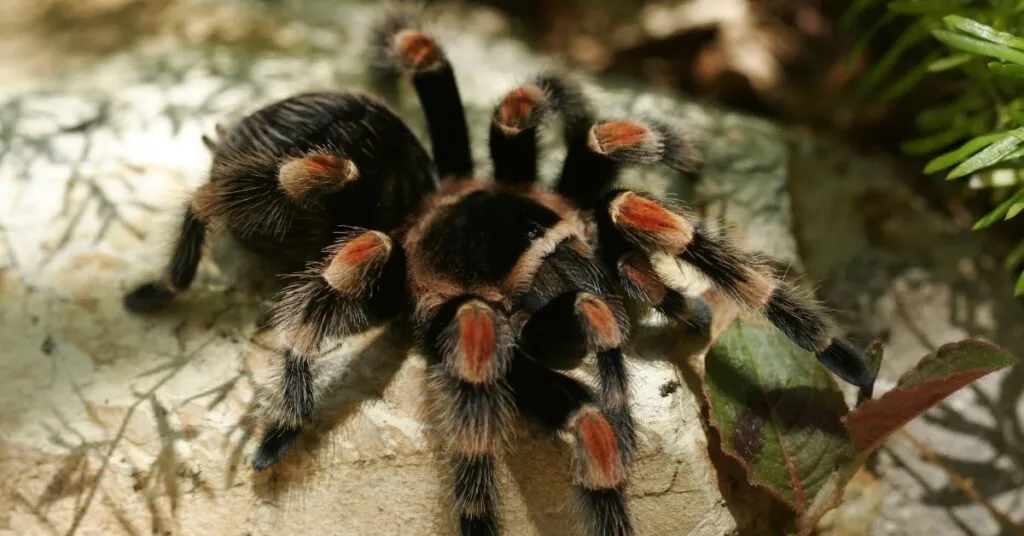
Mexican Red Knee Tarantulas, with their striking red and black markings, are a popular choice for tarantula enthusiasts. Providing them with the right food is crucial for their health, growth, and overall well-being. As carnivores, their diet primarily consists of insects, but understanding the specifics can greatly improve the quality of life for your pet. This guide will delve into the top 5 food secrets for your Mexican Red Knee Tarantula, ensuring you provide a balanced and nutritious diet.
Crickets The Staple Food
Crickets are the cornerstone of a Mexican Red Knee Tarantula’s diet. They are readily available, relatively inexpensive, and provide a good source of protein, which is essential for the tarantula’s growth and development. When selecting crickets, opt for those that are appropriately sized for your tarantula; the general rule is that the prey should be no larger than the tarantula’s abdomen. Before feeding, it’s beneficial to ‘gut-load’ the crickets with nutritious foods like fruits, vegetables, and commercial cricket feed. This ensures your tarantula receives a more nutrient-rich meal. Crickets should be gut-loaded for at least 24 hours before being offered to your tarantula.
Nutritional Value of Crickets

Crickets offer a decent nutritional profile, including protein, which is critical for muscle development and overall body functions. However, they can be improved. Gut-loading is a critical part of getting the best nutritional value, with fresh vegetables and fruits. Calcium and other vitamins and minerals are vital for healthy exoskeletons, growth, and molting. This also reduces the need for supplements, as the tarantula gets nutrients directly from its food. Avoid feeding crickets that have died, as they can harbor bacteria or toxins that can harm your tarantula. Always provide fresh, healthy prey.
Other Insects You Can Feed
While crickets are the primary food source, variety can enhance your tarantula’s diet. Offering different types of insects provides a broader range of nutrients and keeps your tarantula engaged. It also prevents nutritional deficiencies that might arise from relying on a single food source. By introducing different insects, you can simulate a more natural feeding regime, which can improve your tarantula’s overall health and activity levels.
Mealworms and Superworms
Mealworms and superworms are excellent additions to your tarantula’s diet. They are readily available and easy to store, offering a convenient feeding option. Mealworms are the larval stage of the mealworm beetle, while superworms are a larger species. Both are high in protein and provide a satisfying meal for your tarantula. However, they are also high in fat, so they should be offered as a supplement, not a primary food source. Moderation is key to maintaining a balanced diet for your pet. When feeding mealworms or superworms, make sure they are from a reputable source, as they should be free of pesticides.
Cockroaches as a Food Source

Cockroaches, particularly Dubia roaches, are a highly nutritious and preferred food for tarantulas. They are richer in protein and have a better nutritional profile compared to crickets. Roaches are relatively easy to breed, providing a sustainable food source. They also tend to be less active than crickets, making them easier for tarantulas to catch. Roaches offer a more natural prey item, encouraging hunting behavior. Ensure you source roaches from a reliable supplier, as they can harbor parasites if not properly cared for. Keep the roaches in a clean environment, feeding them nutritious food to maximize their value for your tarantula.
Occasional Treats and Supplements
In addition to staple foods and secondary insect options, occasional treats and supplements can benefit your tarantula. Treats should be given sparingly and serve as an additional nutrient source. Supplements, such as calcium and vitamin D3, can be dusted onto insects to ensure your tarantula gets essential vitamins and minerals, especially if you are not gut-loading the insects consistently. Be cautious when providing supplements; excessive amounts can be harmful. Always research the proper dosage and frequency, as over-supplementation can lead to health issues.
Fruits and Vegetables Myth
It’s important to note that Mexican Red Knee Tarantulas, as carnivores, do not eat fruits or vegetables directly. While gut-loading insects with these items improves their nutritional value, the tarantula itself cannot digest plant matter. Feeding fruits and vegetables directly to your tarantula will provide no nutritional benefit and may even pose risks. Focus on providing the tarantula with insects that have been properly gut-loaded or supplemented to meet its dietary needs. Always ensure that the fruits and vegetables used for gut-loading are fresh and free from pesticides.
How Often to Feed Your Tarantula

The frequency of feeding depends on the tarantula’s age. Younger tarantulas, especially spiderlings, need to be fed more often due to their rapid growth rate. Adult tarantulas require less frequent feeding, as their growth slows down. Observe your tarantula’s behavior and abdomen size to determine its feeding schedule. A well-fed tarantula will have a plump abdomen, while a tarantula that is too thin could be underfed. Adjust the feeding schedule based on these observations.
Feeding Young Tarantulas
Spiderlings and young tarantulas require a more frequent feeding schedule to support their rapid growth. Feed spiderlings every other day or every day if they readily accept food. Offer appropriately sized prey items, such as small crickets or fruit flies. As the tarantula grows, gradually increase the size of the prey and decrease the frequency of feeding. Always monitor the tarantula’s abdomen size to avoid overfeeding, which can lead to health problems. Ensure fresh water is available at all times, especially for young, growing tarantulas.
Feeding Adult Tarantulas
Adult Mexican Red Knee Tarantulas do not need to eat as often as younger specimens. Feed adult tarantulas once or twice a week, depending on their size and activity level. Offer larger prey items, such as adult crickets or a few roaches. Avoid overfeeding, which can cause the tarantula to become obese, and monitor their abdomen size. A plump abdomen is normal, but if it appears excessively large, reduce the feeding frequency. Always provide a shallow water dish for adult tarantulas, ensuring they have access to fresh water at all times.
Water and Hydration

Hydration is critical for the health of your Mexican Red Knee Tarantula. While tarantulas get some moisture from their food, they also need access to fresh water at all times. Without sufficient water, tarantulas can become dehydrated, leading to serious health problems. Proper hydration is essential for molting, digestion, and overall well-being. Provide a shallow water dish and ensure it is clean and easily accessible.
The Importance of Fresh Water
Fresh, clean water is essential for your tarantula’s health. The water dish should be shallow to prevent the tarantula from drowning. Change the water regularly to keep it clean and free of debris and bacteria. Always use dechlorinated water, as chlorine and chloramine in tap water can be harmful. Replace the water immediately if you notice any contamination. Regularly check the water dish to ensure it is full, and your tarantula has constant access to water, especially during molting periods. Maintaining good hygiene is key for the overall well-being of your pet.
Avoid These Foods
Certain foods should never be given to your Mexican Red Knee Tarantula, as they can be harmful or even fatal. Understanding these foods is essential to ensure the safety and health of your pet. Avoid offering foods that are not part of their natural diet and those that could cause digestive issues. It is better to be cautious and provide a diet that supports a long and healthy life for your tarantula. Research and consult with experienced keepers.
Foods to Never Give

Never feed your tarantula any type of processed human food, as it is unsuitable for their digestive systems. Avoid giving them foods high in salt, sugar, or additives. Do not offer vertebrate animals, such as mice or lizards, unless specifically recommended by a veterinarian or experienced tarantula keeper. Never feed your tarantula insects caught outdoors, as they may carry parasites or pesticides that could harm your pet. Always err on the side of caution and provide a diet that replicates their natural feeding habits.
Size and Portioning of Food
Appropriate prey size and portioning are critical for maintaining the health and well-being of your Mexican Red Knee Tarantula. Giving prey that is too large can stress the tarantula and make it difficult for them to consume. Improper portioning can lead to overfeeding, which can negatively impact their health. Careful monitoring and adjustment of the feeding regime is essential. Choosing the right size prey item can help to prevent these issues.
When feeding your Mexican Red Knee Tarantula, always ensure the prey is appropriately sized. The prey should be no larger than the tarantula’s abdomen. This makes it easier for the tarantula to catch, subdue, and consume the prey. Avoid overfeeding, as this can lead to obesity. If the tarantula does not eat the prey within 24 hours, remove it from the enclosure. This prevents any potential for the prey to harm the tarantula and prevents the build-up of uneaten food. Monitor your tarantula’s abdomen size and adjust the feeding frequency accordingly.
In conclusion, understanding the food secrets of the Mexican Red Knee Tarantula is vital for its health and longevity. By providing a balanced diet of insects, offering occasional treats, and maintaining proper hydration, you can ensure your tarantula thrives. Remember to always research and adapt your feeding practices based on your individual tarantula’s needs. Proper care will provide a rewarding experience and will contribute to the health and beauty of your exotic pet.