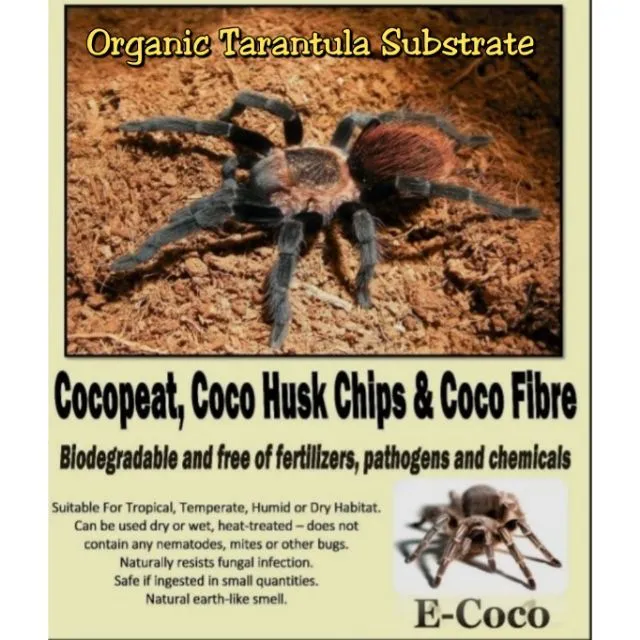
What is Microwave Tarantula Substrate?
Microwaving tarantula substrate is a crucial practice for ensuring the health and safety of your pet. Tarantulas require specific environmental conditions to thrive, and the substrate, the bedding material in their enclosure, plays a vital role in maintaining these conditions. This guide will walk you through the process of microwaving substrate, explaining why it’s necessary, how to do it safely, and what alternatives are available. Proper substrate preparation helps eliminate potential hazards, like pests, mites, mold, and fungus, creating a healthy and comfortable habitat for your tarantula. By understanding and implementing these techniques, you can significantly improve your tarantula’s well-being and longevity.
Benefits of Using Microwave Tarantula Substrate
The benefits of microwaving tarantula substrate are numerous and directly impact your tarantula’s health. Microwaving substrate is a simple yet highly effective method to eliminate unwanted organisms and improve the overall quality of the tarantula’s living environment. These benefits contribute to a healthier, happier, and longer-lived tarantula. Let’s explore why this is a crucial step in tarantula care.
Reduced Risk of Pests and Mites

One of the primary benefits of microwaving substrate is the elimination of pests and mites. These tiny creatures can hitchhike on the substrate material, such as coco fiber, peat moss, or soil, and infest your tarantula’s enclosure. Pests and mites can be a major nuisance to your tarantula, causing stress, irritation, and potentially transmitting diseases. Microwaving the substrate kills these unwanted guests, creating a cleaner and safer environment for your pet. This preventative measure is critical in protecting your tarantula from infestations and the associated health problems.
Improved Substrate Hygiene
Microwaving significantly improves the overall hygiene of the substrate. By killing any existing bacteria, fungi, and other microorganisms, you reduce the risk of infections and promote a cleaner habitat. A clean substrate helps prevent the buildup of waste products and odors, making the enclosure more pleasant for both you and your tarantula. Regular substrate hygiene contributes to your tarantula’s well-being and reduces the need for extensive cleaning.
Preventing Mold and Fungus Growth
Mold and fungus can thrive in the humid environments typically maintained for tarantulas. These organisms can not only spoil the substrate but also pose a threat to your tarantula’s health, causing respiratory issues or other infections. Microwaving effectively kills mold spores and fungi, preventing their growth and maintaining a healthy environment. This is particularly important in enclosures where humidity levels are consistently high.
Materials Needed for Microwave Substrate
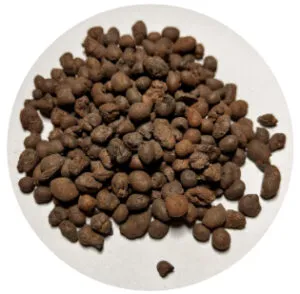
Before you begin the microwaving process, gather the necessary materials to ensure a safe and effective experience. Having everything ready beforehand will streamline the process and ensure the safety of both you and your tarantula. The following list will provide you with the materials you need to complete the task.
Substrate Material
The type of substrate you use will depend on your tarantula’s species and specific needs. Popular choices include coco fiber, peat moss, soil mixes, and vermiculite. Ensure the substrate is suitable for your tarantula’s environment and is free of any added chemicals or fertilizers. Make sure you are using a suitable substrate before starting any of the steps.
Microwave-Safe Container
You’ll need a microwave-safe container to hold the substrate during the microwaving process. Glass or ceramic containers are ideal choices as they can withstand high temperatures. Avoid using metal containers, as they can damage your microwave. Make sure the container is large enough to accommodate the substrate without overflowing and allows for even heating. A container with a lid is also useful for retaining moisture if necessary.
Water (Optional)
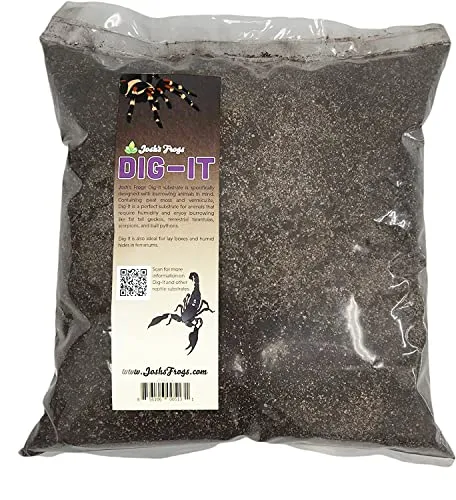
Depending on the substrate, you may need to add water to help it retain moisture. Some substrates, like coco fiber, can dry out quickly when microwaved. Adding a small amount of water before microwaving can help maintain the substrate’s moisture content. Be careful not to add too much water, as this can lead to uneven heating and potential problems. It is important that you use distilled or dechlorinated water to prevent introducing harmful substances.
Step-by-Step Guide to Microwaving Substrate
Following these steps will help ensure your success in sterilizing your substrate and giving your tarantula a clean and safe environment. Take your time and use caution to avoid any issues during the process. The following is a detailed walkthrough of the process to safely prepare the substrate.
Preparing the Substrate
Before microwaving, spread the substrate evenly in the microwave-safe container. If you’re using a dry substrate, such as coco fiber, add a small amount of water to moisten it. Mix the substrate and water thoroughly to ensure even distribution. Avoid overfilling the container to prevent spills and ensure effective heating. Make sure to check the substrate for any large debris or foreign objects and remove them before microwaving.
Microwaving the Substrate
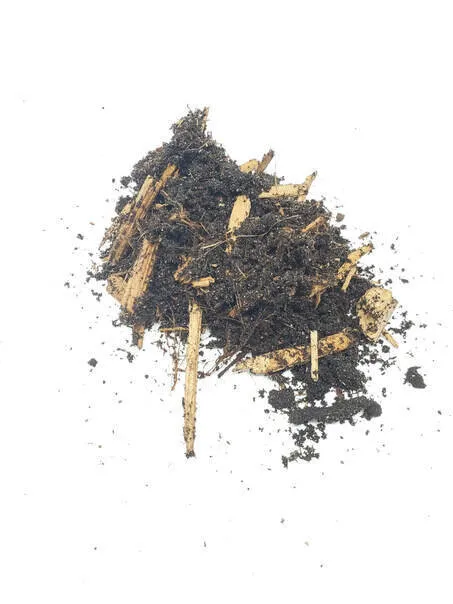
Place the container in the microwave and heat on high power for short intervals, typically 2-3 minutes at a time. The exact time will depend on the amount of substrate and your microwave’s power. After each interval, carefully remove the container and stir the substrate to ensure even heating. It is essential to monitor the substrate’s temperature and moisture level during this process to prevent overheating or drying. The goal is to heat the substrate thoroughly without scorching it.
Cooling and Drying the Substrate
Once microwaved, let the substrate cool completely before use. This usually takes about 15-20 minutes. Allow the substrate to dry thoroughly. If the substrate is still too wet, spread it out on a clean surface to air dry. The substrate should be at room temperature and have the appropriate moisture content for your tarantula’s specific needs. Ensure the substrate is completely dry before introducing it to your tarantula’s enclosure, as excess moisture can lead to mold growth.
Tips for Safe and Effective Microwaving
To ensure the safety and effectiveness of the process, follow these helpful tips. These tips will help you avoid common pitfalls and ensure a successful outcome. Remember that the tarantula’s health is paramount, and every step should be taken with care.
Monitoring the Substrate Temperature

Use a thermometer to monitor the substrate’s temperature during the microwaving process. The substrate should reach a high enough temperature to kill pests and pathogens, but avoid overheating, which can dry it out or even damage the substrate. Aim for a temperature between 160°F and 180°F (71°C and 82°C) to ensure effective sterilization. This will effectively remove pests and pathogens.
Avoiding Overheating
Overheating can dry out the substrate and potentially create harmful byproducts. To avoid this, microwave the substrate in short intervals, stirring it between each interval to ensure even heating. Watch for any signs of scorching or burning, such as a strong odor or discoloration. If you notice any of these signs, immediately stop microwaving and let the substrate cool. It’s better to microwave for shorter periods to prevent damage.
Testing the Substrate for Moisture
After microwaving, check the substrate’s moisture content before using it. The substrate should be moist but not soggy. You can test this by squeezing a handful of substrate; it should hold its shape without dripping water. If it’s too dry, add a small amount of water and mix thoroughly. If it’s too wet, allow it to air dry before placing it in your tarantula’s enclosure. Correct moisture content is critical for your tarantula’s health.
Best Practices for Using the Substrate

Following these best practices will help you maintain a healthy and comfortable environment for your tarantula. Proper substrate management is essential for their well-being, and these tips will ensure you are providing the best possible care. Remember that substrate maintenance is an ongoing process.
Appropriate Humidity Levels
Maintain the appropriate humidity levels for your tarantula’s species. Humidity needs vary depending on the tarantula’s natural habitat. Use a hygrometer to monitor the humidity and adjust it as needed. Mist the enclosure with distilled water if necessary to maintain the desired humidity level. Ensure proper ventilation to prevent mold growth while maintaining humidity levels.
Maintaining Cleanliness
Regularly remove any uneaten food, molts, and other debris from the enclosure. Spot clean the substrate as needed to remove waste and prevent the buildup of bacteria. Replace the substrate entirely every few months, or sooner if necessary, depending on the tarantula’s size and the conditions in the enclosure. This will also help with any odors that may arise from the substrate.
Alternatives to Microwaving Substrate

While microwaving is a common method, other options are available for sterilizing tarantula substrate. These alternatives can be useful if you don’t have a microwave or prefer a different approach. Each method has its advantages and disadvantages, so choose the option that best suits your needs and resources.
Oven Method
You can sterilize substrate in an oven. Spread the substrate evenly on a baking sheet and heat it in the oven at a low temperature, around 200°F (93°C), for about an hour. Stir the substrate occasionally to ensure even heating. Allow it to cool completely before use. This method is effective but can take longer than microwaving. It also requires careful monitoring to avoid burning the substrate.
Sun Drying
Sun drying is a natural method that can help reduce the risk of pests and microorganisms. Spread the substrate out on a clean surface in direct sunlight for several days. Turn the substrate regularly to ensure even exposure. While sun drying can be effective, it may not eliminate all pathogens. It is also weather-dependent and may not be suitable in all climates or seasons. This method works by simply utilizing the sun to dry and kill off most of the unwanted organisms in the substrate.
Conclusion
Microwaving tarantula substrate is an essential practice for maintaining a healthy and safe environment for your pet. By following the steps outlined in this guide, you can eliminate pests, mites, and harmful microorganisms, reducing the risk of health problems for your tarantula. Remember to always prioritize your tarantula’s well-being by using safe practices and the appropriate substrate. Regular substrate maintenance is a key aspect of responsible tarantula care, contributing to a happy and thriving pet. By implementing these methods, you can ensure your tarantula lives a long, healthy, and comfortable life.