What is Molting in Tarantulas
Molting is a natural and essential process for tarantulas, much like shedding in snakes or growing out of clothes in humans. It’s how these fascinating creatures grow, replace damaged body parts, and get rid of parasites. This process involves the tarantula shedding its exoskeleton, the hard outer shell that protects its body. Understanding molting is crucial for any tarantula owner, as it dictates how you should care for your pet and what to expect during this critical period. Learning the signs of molting can help ensure that your tarantula undergoes this process safely and successfully. During molting, a tarantula is vulnerable. It is essential to provide the right environment to minimize stress and risks.
The Molting Process Explained
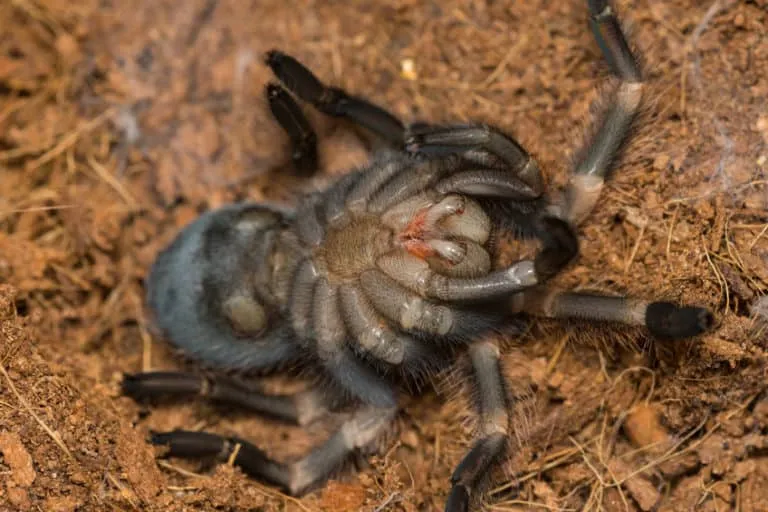
The molting process is complex and fascinating. Before molting, the tarantula forms a new, soft exoskeleton beneath its old one. This pre-molt stage can last from a few weeks to several months, depending on the tarantula’s age, size, and species. When the time comes, the tarantula will position itself, often on its back, and the old exoskeleton will split open, usually along the carapace (the top part of the cephalothorax). The tarantula then wriggles out of its old shell, leaving behind a perfect replica of itself. This is an exhausting process, and the tarantula will be very vulnerable and soft-bodied. The tarantula will take time to harden its new exoskeleton before resuming normal activities.
Why Do Tarantulas Molt

Tarantulas molt for several vital reasons. First and foremost, they molt to grow. The exoskeleton doesn’t grow, so the tarantula must shed it to increase in size. Young tarantulas molt frequently, sometimes every few months, while adults molt less often, perhaps once a year or even less. Additionally, molting allows tarantulas to replace lost limbs or other damaged body parts. They can regenerate limbs during molting. Finally, molting helps them remove parasites and get rid of any waste products that have accumulated. This process is vital for maintaining overall health and well-being, ensuring longevity in captivity or the wild. This is an essential process for their survival and growth.
Identifying Signs Your Tarantula Is About to Molt
Recognizing the signs that your tarantula is about to molt is crucial for providing the right care and ensuring a safe molting experience. Several behavioral and physical changes indicate that molting is imminent. Paying close attention to your tarantula’s behavior and appearance will help you prepare and support your pet during this vulnerable time. These signs may vary slightly depending on the species and individual tarantula, but generally, these are good indicators that your tarantula is preparing to molt and you should provide the right care.
Loss of Appetite
One of the most common signs is a loss of appetite. Your tarantula may refuse food or show very little interest in eating. This is because the tarantula is preparing for the molting process and conserving energy. If your tarantula stops eating, it doesn’t necessarily mean it is molting, but combined with other signs, this can be a strong indicator. Don’t worry if your tarantula goes off its food; it’s a normal part of the molting cycle. Avoid offering food during this period, as the tarantula is unlikely to eat and may be stressed by the presence of prey. It is important to not force feed the tarantula, as it can injure the tarantula.
Changes in Abdomen Color
The abdomen may change color. The abdomen of a tarantula can darken, become duller, or appear to be stretched or swollen just before molting. This is because the new exoskeleton is developing beneath the old one. You may also notice that the hairs on the abdomen appear more sparse or dull. These physical changes are often a reliable indication that molting is on the horizon. The color change is a good indicator that your tarantula is close to molting. Paying attention to the abdomen can offer clues.
Lethargy and Inactivity
Lethargy and a general decrease in activity levels are common. Your tarantula may spend more time hiding in its burrow or under its hide. It might move very slowly or not at all. This is because molting is an energy-intensive process, and the tarantula is conserving its resources. Avoid handling or disturbing your tarantula if you notice this behavior. Provide a quiet, undisturbed environment to minimize stress. This is a crucial time, and the tarantula is preparing for the molting process, so ensuring a calm environment is important.
Webbing and Premolt Behavior
Some tarantulas create a thick web mat in preparation for molting. This webbing provides a soft, safe surface for the tarantula to molt on, cushioning it during the process. You may also notice your tarantula sealing itself inside its burrow or creating a webbing barrier around its hide. This pre-molt behavior is a sign that your tarantula is getting ready to molt and is trying to create a safe and secure space. Keep an eye out for this change in behavior. It can indicate that the process will soon start.
Appearance of a Bald Spot

A bald spot on the abdomen is another indication that molting is near. As the tarantula prepares to molt, the hairs on its abdomen may thin out, creating a bald patch. This is because the new exoskeleton is developing underneath, pushing the old hairs away. This is more noticeable in some species than others, but it is a clear sign that the molting process is underway. Keep an eye out for the bald spot, especially in the days or weeks leading up to the molt. This can indicate that your tarantula is about to molt.
Creating the Right Environment for Molting
Creating the correct environment is crucial for a successful molt. The right conditions can reduce stress and minimize the risk of complications. Focus on maintaining the appropriate temperature, humidity, and providing a safe and secure enclosure. By following these guidelines, you can increase the likelihood of a smooth molting process for your pet. It’s essential to create a comfortable and stress-free habitat to support the tarantula during this vulnerable time.
Temperature and Humidity
Maintain the appropriate temperature and humidity levels for your tarantula species. Research the specific needs of your tarantula. Generally, tarantulas thrive in temperatures between 75-85°F (24-29°C). Humidity levels should be appropriate for their species, typically ranging from 60-80%. Use a hygrometer to monitor humidity levels. Proper temperature and humidity help the tarantula to molt successfully, as the process relies on these environmental factors. Stable and consistent conditions help the tarantula during the molt.
Providing Shelter

Provide a secure hide or burrow for your tarantula. This can be a piece of cork bark, a hollow log, or a commercially available hide. The hide should be large enough for the tarantula to comfortably fit inside. A hide offers a sense of security and can reduce stress during the molting process. This helps to create a safe space where the tarantula can feel protected. This can make the process less stressful for the tarantula, as it can hide and feel safe during the molt. Always provide adequate shelter in your tarantula’s enclosure.
Avoiding Disturbances
Minimize disturbances during the molting period. Avoid handling your tarantula, as this can stress it out and potentially disrupt the molting process. Refrain from making sudden noises or movements near the enclosure. Keep the enclosure in a quiet area away from foot traffic. Providing a stress-free environment is key to successful molting. Avoid disturbing the tarantula at all costs while molting. A calm, undisturbed environment is very important for the tarantula while molting. Handle it as little as possible.
What to Do During and After Molting
During and after the molt, it is important to follow certain guidelines to ensure your tarantula recovers quickly and safely. Your actions during this phase are very important for the overall health of your tarantula. Taking the right steps can prevent potential problems. Knowing what to do and what to avoid can help ensure a smooth recovery. Proper care is essential during this process.
Do Not Disturb

The most important thing to do during molting is to leave your tarantula alone. Avoid handling it or disturbing the enclosure in any way. Molting is a vulnerable time, and any disturbance can cause stress or potentially harm your tarantula. Make sure no one else touches or disturbs the tarantula. Keep the enclosure as quiet as possible. This is the best way to ensure that your tarantula can successfully molt. If you disturb the molting process, it can harm the tarantula.
Leaving the Exoskeleton
After molting, do not remove the old exoskeleton immediately. The tarantula’s new exoskeleton needs time to harden. Wait at least a week, or until the tarantula begins to move around normally and shows signs of wanting to eat, before removing the discarded shell. If you remove it too soon, you might damage the new exoskeleton. The old exoskeleton is usually a perfect replica of the tarantula. You can remove the exoskeleton, but it is important to let the tarantula finish the process first. Removing the exoskeleton too soon can cause problems.
Offering Food
After the tarantula has molted and its new exoskeleton has hardened, you can offer it food. Start with a small meal, such as a single cricket or a few mealworms. The tarantula may be eager to eat, as it will be hungry after molting. Monitor your tarantula’s appetite, and adjust the feeding schedule based on its needs. Do not offer too much food at once. Remember that they are likely eager to feed after molting. It is important to be patient when you start feeding again. If your tarantula does not eat at first, do not be alarmed.
Common Problems During Molting

While molting is a natural process, problems can occasionally arise. Understanding these issues can help you identify and address potential complications. Being prepared and knowing the common issues can help. Keeping an eye out for any signs of trouble can help you to take immediate action. Recognizing and preventing issues can improve the health of your pet.
Failed Molts
Failed molts can occur when the tarantula gets stuck during the shedding process. This is often caused by low humidity, improper environmental conditions, or underlying health issues. If you notice your tarantula struggling to molt, consult an experienced tarantula keeper or a veterinarian immediately. Do not try to intervene unless you have experience, as you could harm the tarantula. This is one of the most serious issues that can occur while molting. Failed molts can be very dangerous for the tarantula.
Drying Out
A tarantula can dry out during molting, especially if the humidity levels are too low. This can lead to problems with the molting process, making it difficult for the tarantula to shed its exoskeleton. Ensure the humidity levels in the enclosure are appropriate for your tarantula species. If you notice your tarantula appears to be drying out, increase the humidity in its enclosure by misting the enclosure or adding more moisture to the substrate. Proper humidity is essential. If the humidity level is too low, the tarantula can have issues molting. Check the humidity level in the enclosure frequently.
Molting and Growth
Molting is directly linked to the growth of tarantulas. The frequency of molting decreases as the tarantula ages. Understanding how molting affects growth can help you anticipate your tarantula’s needs. By knowing about growth and how often they molt, you can better care for your pet.
How Often Do Tarantulas Molt
Young tarantulas molt more frequently than adults. Spiderlings may molt several times a year, while adults may molt only once a year or even less often. The frequency of molting is influenced by factors such as the tarantula’s species, age, and feeding schedule. As your tarantula grows older, the frequency of molting will decrease. The molting frequency decreases as the tarantula ages. It is essential to know how frequently the species molts. This information will help you to anticipate molting.
Molting and Lifespan
Molting is a key aspect of a tarantula’s lifespan. Healthy molting is critical for a long and healthy life. Proper care and a stress-free environment can increase the chances of a successful molt. Providing the right care can help them live longer lives. The lifespan can vary greatly. It is critical to provide your pet with the necessary care.