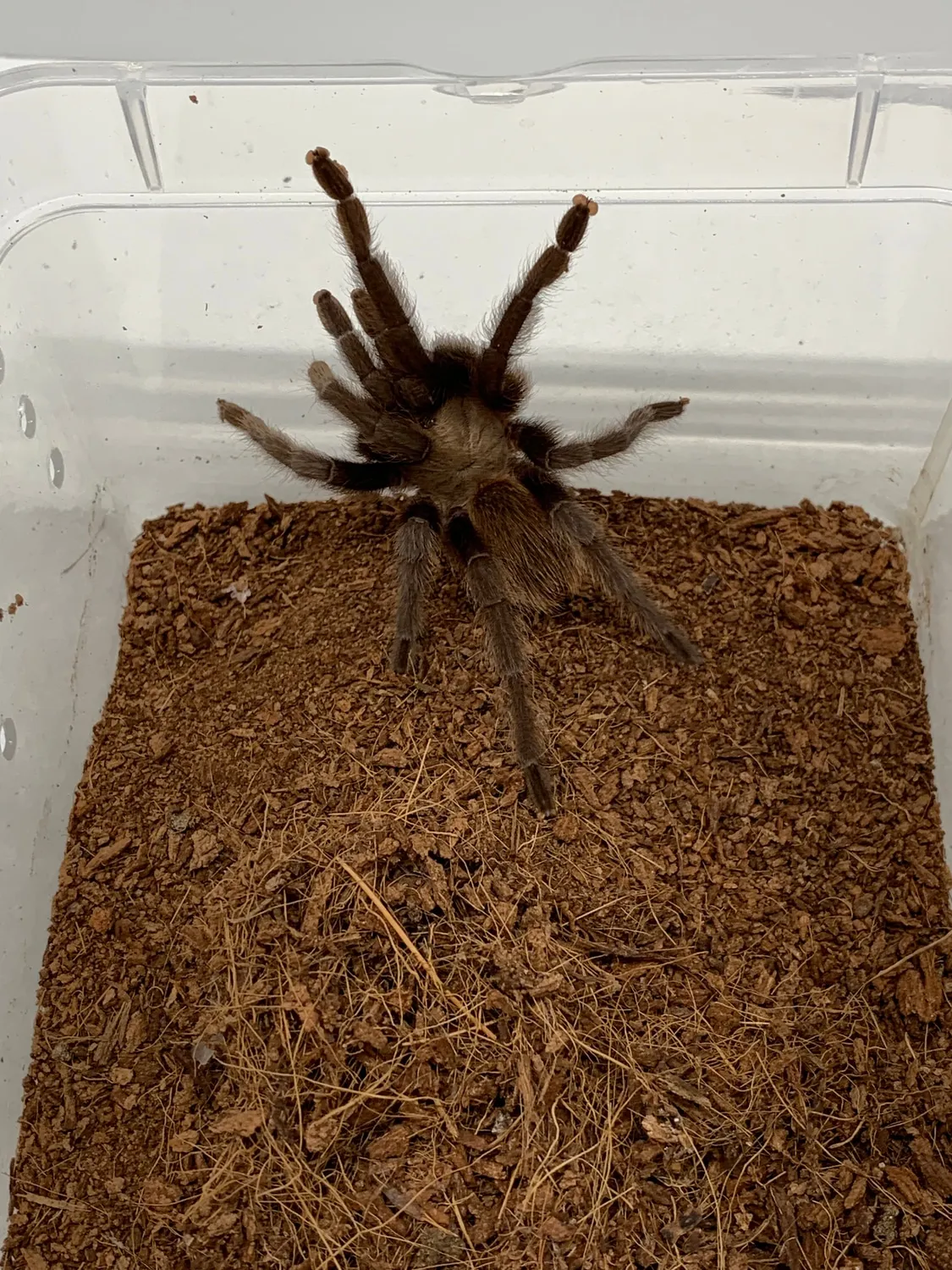
What is Molting
Molting, also known as ecdysis, is a fundamental biological process for all arthropods, including tarantulas. It’s the way these creatures grow. Because tarantulas have an exoskeleton made of chitin, a tough, rigid material, they must shed this outer layer to increase in size. This exoskeleton doesn’t grow, so the tarantula has to periodically create a new, larger one and discard the old. This process is more than just shedding a skin; it’s a complete renewal, allowing the tarantula to replace lost limbs, repair damage, and refresh its entire outer structure. Aphonopelma anax, like all tarantulas, relies on molting for its survival and development.
Why Do Tarantulas Molt
The primary reason tarantulas molt is to grow. Their exoskeletons are like a suit of armor that protects them, but it also limits their size. As a tarantula grows, it needs a larger outer covering. Molting provides the means to achieve this. Beyond growth, molting serves other vital functions. It allows the tarantula to replace lost limbs. If a leg is damaged or lost, a new one will regenerate during the molting process. Furthermore, molting helps in the removal of parasites and debris, essentially giving the tarantula a fresh start. The process also rejuvenates the sensory organs, enhancing the tarantula’s ability to detect prey and navigate its environment. For the Aphonopelma anax, molting is essential for overall health and longevity.
The Molting Process

The molting process is complex and fascinating. It begins internally as the tarantula creates a new exoskeleton beneath the old one. Enzymes are secreted to separate the old exoskeleton from the underlying epidermis. Then, the tarantula absorbs fluids to expand its body, which helps to split the old exoskeleton. The split usually occurs along the carapace, the top shell of the cephalothorax. The tarantula then slowly wriggles out of its old skin, a process that can take anywhere from a few minutes to several hours, depending on the size and the species. Once free, the tarantula is extremely vulnerable, as its new exoskeleton is soft and pliable. It will then pump fluids into its body to expand the new exoskeleton to its full size before it hardens.
Pre-Molt Signs
Recognizing the signs of an impending molt is crucial for providing the right care. One of the most common indicators is a change in the tarantula’s behavior. They may become less active, refusing to eat or showing a loss of appetite for several weeks. The abdomen of the tarantula will often darken, and the skin may appear stretched or shiny. You may also notice the tarantula spending more time on its back or in a curled-up position. This is a defensive posture and a sign that it is preparing for the molt. Aphonopelma anax might also start webbing more extensively in its enclosure, creating a secure, enclosed space for the vulnerable process.
Creating the Right Environment
Providing the right environment is essential for a successful molt. The enclosure should be appropriate in size to allow the tarantula to move freely and safely. The substrate should be deep enough, typically several inches, for burrowing species like Aphonopelma anax to feel secure. Avoid disturbing the tarantula during this sensitive period. Ensure the enclosure is free of any objects that could injure the tarantula as it struggles to shed its old skin. A clean enclosure, free of potential hazards, is key to a successful molt.
Humidity and Temperature

Maintaining the correct humidity and temperature levels is critical during the molting process. Proper humidity helps the tarantula to shed its old skin more easily. Too little humidity can lead to the exoskeleton drying out and making it difficult for the tarantula to escape. The ideal humidity level varies by species, but for Aphonopelma anax, a range of 60-70% is usually recommended. Temperature also plays a role. Keeping the enclosure within the appropriate temperature range for the species ensures the tarantula’s metabolism functions correctly, supporting a smooth molt. Use a hygrometer and thermometer to monitor conditions, and make adjustments as needed. Misting the enclosure or adding a water dish can help to maintain humidity levels.
Providing a Safe Space
A safe, undisturbed space is paramount when your tarantula is molting. Avoid any unnecessary disturbances, such as tapping on the enclosure or moving the enclosure itself. Refrain from feeding your tarantula during the premolt stage, as it will likely refuse food. Provide plenty of substrate for burrowing species like Aphonopelma anax to dig a safe burrow. Ensure there are no sharp objects or any items that could potentially trap or injure the tarantula during the molting process. The fewer external factors, the better the chance of a successful molt. If your tarantula flips onto its back, leave it be; this is a normal molting posture.
During the Molt
During the actual molting process, it is crucial to observe from a distance and avoid any interference. The tarantula will typically lie on its back. This is a vulnerable time. Do not attempt to assist your tarantula unless absolutely necessary, as this can cause serious injury. The molt itself can take anywhere from a few minutes to several hours. The tarantula will slowly wriggle out of its old skin. The most important thing to do during this time is to remain patient and ensure the enclosure is undisturbed. Once the molt is complete, the tarantula will appear soft and pale; it will take time for its new exoskeleton to harden.
Post-Molt Care

After the molt, the tarantula is incredibly vulnerable. Its new exoskeleton is soft and needs time to harden. Avoid handling the tarantula for at least a week or two, depending on its size and species. Maintain the appropriate humidity and temperature levels to aid in the hardening process. Do not feed the tarantula immediately. Wait until its fangs have hardened, which is usually a week or more after the molt. Once the fangs have hardened, you can start offering food. Start with smaller prey items and gradually increase the size as the tarantula’s exoskeleton hardens completely.
Feeding
Feeding after the molt is a crucial step. Once the fangs have hardened, which you can check by gently observing the tarantula’s mouthparts, you can begin to offer food. Start with smaller prey items, such as small crickets or mealworms. As the tarantula’s new exoskeleton hardens, you can gradually increase the size of the prey items. Ensure the prey is appropriate for the size of the tarantula and that it is live, so it will trigger a feeding response. Remove any uneaten prey after 24 hours to prevent stress to the tarantula. Aphonopelma anax will usually have a good appetite after a molt, but monitor their feeding habits.
Rehousing After Molt
After the molt, it’s sometimes necessary to rehouse the tarantula, especially if the enclosure has become dirty or if the tarantula has outgrown its current home. However, it’s best to wait until the tarantula’s new exoskeleton is completely hardened. This usually takes a few weeks. When rehousing, handle the tarantula with extreme care, and use a soft brush to gently guide it into its new enclosure if needed. Ensure the new enclosure has all the necessary elements, including suitable substrate, a water dish, and a hide. Make the transition as stress-free as possible to prevent any potential issues.
Potential Problems During Molting

While molting is a natural process, complications can arise. Sometimes, the tarantula may have difficulty shedding its old skin. This can be due to low humidity, insufficient space, or underlying health issues. In some instances, the tarantula might get stuck during the molt, which can be fatal. If you observe any issues during the molt, you should consult an experienced tarantula keeper or a veterinarian with expertise in exotic pets. Proper care and environmental conditions usually ensure successful molts, but it’s essential to know the signs of potential trouble.
Failure to Molt
Failure to molt, or dystocia, is a serious issue. This can happen when the tarantula’s old exoskeleton doesn’t split properly, or the tarantula is unable to extract itself. There can be several underlying reasons. These include low humidity, lack of space, or nutritional deficiencies. If your tarantula fails to molt, the prognosis is often poor. In such cases, the tarantula needs immediate help from an experienced keeper or a vet. However, it’s always best to focus on prevention through proper care to avoid this issue.
Injuries During Molting
Injuries during molting can occur if the tarantula gets stuck or if it struggles to shed its skin. This can result in damaged limbs or other parts of the body. If a limb is lost, the tarantula can often regenerate it during a subsequent molt, but it will take time. Preventing injuries involves creating a safe and appropriate environment. If you notice any injuries, monitor the tarantula closely and ensure it has plenty of time to recover. In severe cases, consult a vet.
How Often Do Tarantulas Molt

The frequency of molting varies depending on the tarantula’s age, species, and environmental conditions. Younger tarantulas molt much more frequently, sometimes every few months, as they are actively growing. As tarantulas mature, the molting frequency decreases. Adult tarantulas may molt only once a year, or even less often. Factors like temperature and feeding can also influence the molting cycle. Observing the behavior of your Aphonopelma anax and understanding their growth stage will help you anticipate when they will molt next, allowing you to provide optimal care during this essential process.