Top 5 Facts About Old World Tarantulas
Old World tarantulas are fascinating creatures, captivating both arachnid enthusiasts and the generally curious. These spiders, originating from regions across Asia, Africa, and parts of Europe, are known for their impressive size, diverse appearances, and often, more defensive temperaments compared to their New World counterparts. Understanding these creatures involves appreciating their unique characteristics, from their habitats to their behaviors, and even their conservation status. This article dives into five key facts, offering insights into what makes Old World tarantulas so intriguing, and what potential owners should know. We’ll explore their appearance, habitats, behaviors, diets, and longevity, providing a comprehensive overview of these captivating arachnids.
Appearance and Characteristics
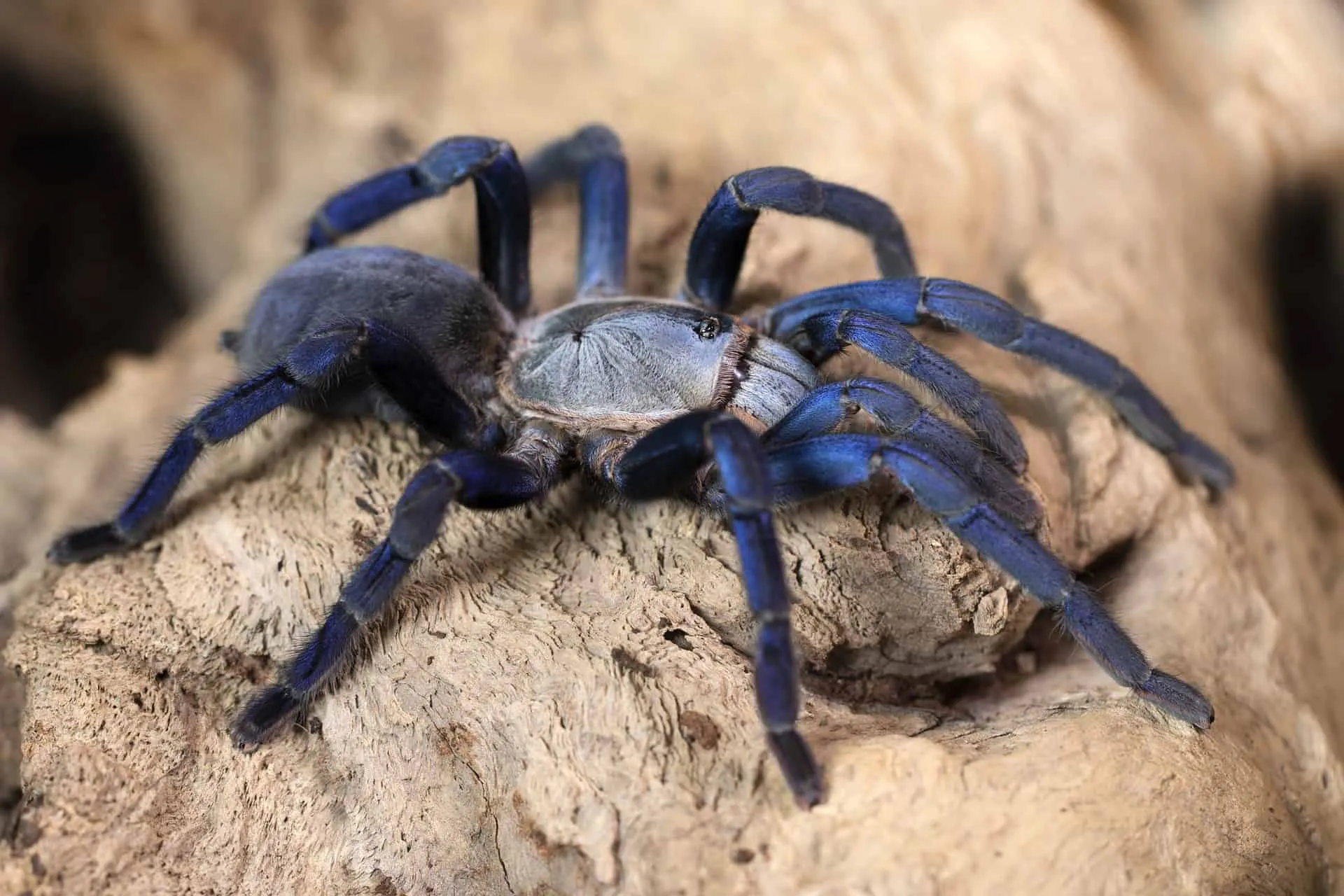
Old World tarantulas are immediately recognizable for their robust build and often striking coloration. Unlike the New World tarantulas, which possess urticating hairs for defense, Old World species rely primarily on their fangs and a more assertive demeanor. Their bodies are covered in dense hairs, which can range in color from deep blacks and browns to vibrant oranges and yellows, depending on the species. The size of these tarantulas varies significantly, with some species reaching impressive leg spans, making them a dramatic sight in any terrarium. These spiders lack the urticating hairs found on their New World relatives, a key distinguishing feature, meaning their primary defense mechanism is a bite, making careful handling crucial.
Size and Color Variations

The size of Old World tarantulas varies considerably among different species. Some, like the Goliath Birdeater (though technically a New World species, it’s often compared), can have leg spans exceeding 10 inches, while others are much smaller. Coloration also varies dramatically. Some species exhibit dark, almost black hues, providing camouflage in their natural environments. Others display bright oranges, reds, or yellows, potentially serving as a warning to predators. These colors are not just random; they often play a role in attracting mates or blending into their surroundings. The specific coloration and size are key factors in identifying different species, making them a fascinating subject for observation and study.
Habitat and Distribution
Old World tarantulas inhabit a diverse range of environments across Asia, Africa, and parts of Europe. Their habitats include tropical rainforests, arid deserts, and even burrows in grasslands. These spiders are adapted to their specific environments, with their coloration and behaviors often reflecting the need to blend in or survive in their respective ecosystems. The distribution of these spiders is not uniform; certain species are endemic to particular regions, showcasing the biodiversity within the Old World tarantula family. They are often found in areas with stable temperatures and adequate humidity, which are crucial for their survival and well-being. Understanding their natural habitats provides valuable insights into their care in captivity.
Geographical Origins
The geographical origins of Old World tarantulas are incredibly diverse. They hail from regions such as Southeast Asia (e.g., Malaysia, Thailand, Indonesia), Africa (e.g., Tanzania, Nigeria), and parts of Europe. Each region houses unique species, each adapted to the local climate and environmental conditions. For example, some species are well-suited to the humid climates of tropical rainforests, while others thrive in the more arid conditions of the desert. These geographical differences contribute to the wide range of colors, sizes, and behaviors observed among different species, making them a fascinating subject of study for zoologists and arachnologists. Their origins also directly impact the specific care requirements when kept in captivity.
Behavior and Temperament

Old World tarantulas are generally known for being more defensive and quicker to react than their New World counterparts. They often display a more aggressive posture, raising their front legs and fangs as a warning. This behavior is a key adaptation for survival, as they rely on their bite for defense rather than urticating hairs. While some species are more docile, most are best observed from a distance. This assertive nature is a crucial aspect to consider when keeping these tarantulas as pets, and experienced keepers are often recommended. Proper handling techniques and an understanding of their behavior are essential for ensuring the safety of both the tarantula and the keeper.
Defensive Mechanisms
As mentioned, the primary defensive mechanism of Old World tarantulas is their bite. They possess large fangs that they use to inject venom when threatened. Unlike New World tarantulas that use urticating hairs, Old World species do not have this secondary defense. This makes their bite the main deterrent against predators. The venom can cause a range of reactions, from localized pain and swelling to more severe symptoms in sensitive individuals. They also display threatening postures, such as rearing up and showing their fangs, as a warning. This behavior is intended to deter potential threats before they have to resort to biting, helping them conserve venom and avoid unnecessary conflict.
Diet and Feeding Habits
Old World tarantulas are primarily carnivorous, feeding on a variety of insects and, occasionally, small vertebrates. Their diet in the wild consists of whatever prey is available in their environment. In captivity, they are typically fed insects such as crickets, cockroaches, and mealworms. The frequency of feeding depends on the tarantula’s age and size, with younger specimens requiring more frequent meals. It’s essential to offer a varied diet to ensure they receive all necessary nutrients. The size of the prey should be appropriate for the tarantula; prey should be no larger than the tarantula’s body size. Leftover food should be removed to prevent mold and maintain the hygiene of the enclosure.
Prey Preferences

The specific prey preferences of Old World tarantulas can vary depending on the species and their natural habitat. While they generally consume insects, their choices may differ. Some species are more attracted to fast-moving prey, while others are less picky. Crickets and cockroaches are common choices in captivity due to their availability and ease of breeding. Mealworms and other larvae can be offered, but should be used as a supplementary food because of their higher fat content. Providing a variety of prey can ensure that the tarantula receives a balanced diet. Observing a tarantula’s feeding behavior can also provide insights into its preferences and overall health.
Lifespan and Conservation
Old World tarantulas, like other tarantulas, can live for a considerable amount of time. Their lifespan is influenced by factors such as species, sex, and environmental conditions. Female tarantulas generally live longer than males. Conservation efforts are essential, as habitat loss and the pet trade can threaten certain species. Responsible pet ownership and habitat preservation play crucial roles in protecting these amazing arachnids. Understanding their longevity and the threats they face is critical for their long-term survival and well-being. Supporting conservation organizations and promoting responsible pet ownership helps ensure these species continue to thrive in their natural habitats.
Average Lifespan
The average lifespan of Old World tarantulas varies. Females generally live longer than males, often surviving for 10 to 20 years, and in some cases even longer. Males typically have a shorter lifespan, often only living for a few years after reaching maturity, as their primary goal is reproduction. Proper care, including appropriate housing, feeding, and temperature/humidity control, can positively impact the lifespan of these tarantulas in captivity. The specific species also plays a role, with some species being naturally longer-lived than others. The lifespan of a tarantula is a key consideration for potential owners, who should be prepared for a long-term commitment.