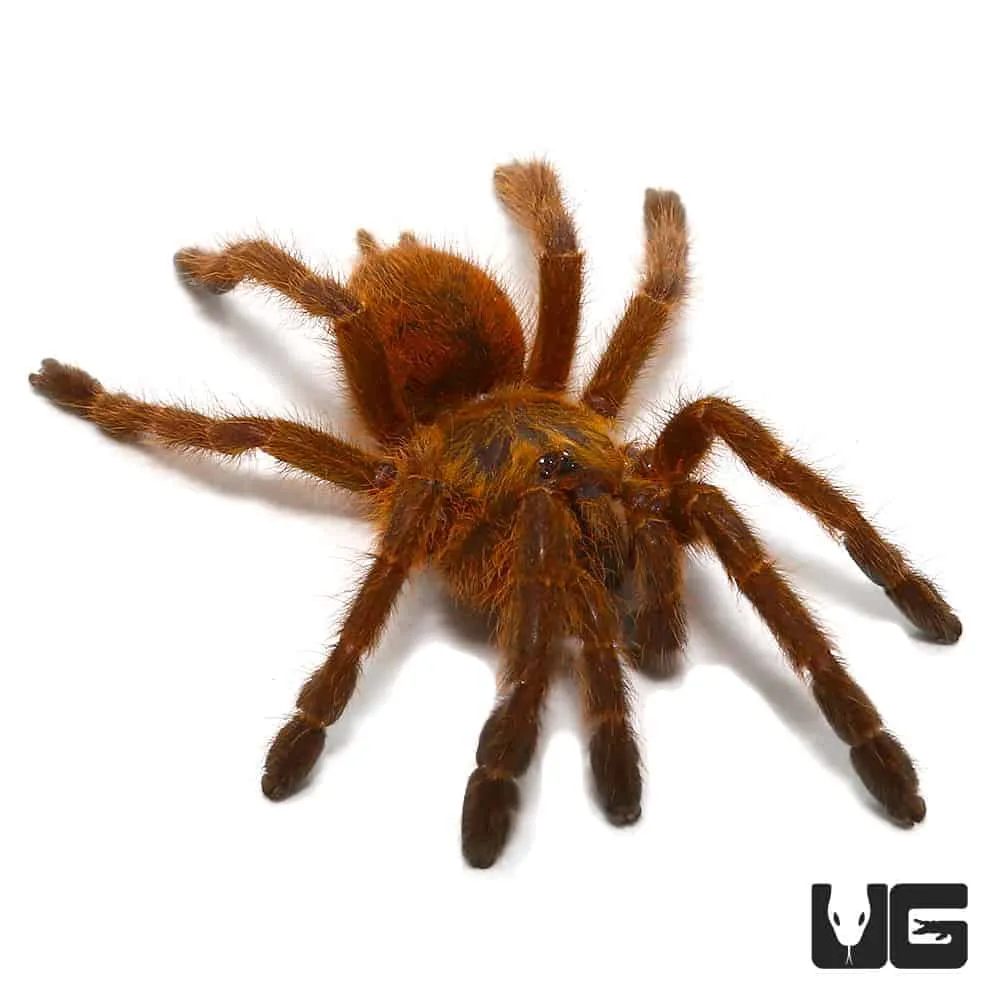
Orange Baboon Tarantula Price
The Orange Baboon Tarantula (OBT), scientifically known as Heteroscodra maculata, is a striking and sought-after species in the tarantula hobby. Known for its vibrant orange coloration and aggressive nature, the OBT can be a rewarding pet for experienced keepers. However, potential owners often wonder about the Orange Baboon Tarantula price. This guide provides a comprehensive overview of the factors that influence the price of an OBT, helping you make an informed decision before bringing one of these fascinating creatures into your home. Understanding the various elements that contribute to the overall cost is crucial for both budgeting and ensuring you get a healthy and well-cared-for specimen.
Factors Influencing Orange Baboon Tarantula Price
Several key factors determine the price of an Orange Baboon Tarantula. These aspects range from the tarantula’s physical characteristics to the seller’s reputation and the ongoing costs of care. Being aware of these elements will empower you to assess whether a price is fair and aligns with the quality and health of the spider. It also allows you to anticipate the expenses associated with owning an OBT. A well-informed buyer is better equipped to provide the proper care and environment for their new pet.
Age of the Tarantula

Like many animals, the age of an Orange Baboon Tarantula can significantly influence its price. Spiderlings, or young tarantulas, are generally less expensive than adults because they are smaller and require less food. However, they are also more fragile and require more specialized care. As the tarantula matures, its value tends to increase, peaking when it reaches adulthood. This is due to the fact that adult tarantulas are fully colored, easier to sex, and closer to their full size, making them more desirable for hobbyists looking for a more immediate and impressive pet. The lifespan of the tarantula will also factor into the final price.
Size and Sex of the Tarantula
The size and sex of an Orange Baboon Tarantula can also impact its price. Larger individuals, closer to their adult size, are usually more expensive. Sexing a tarantula accurately requires some experience and can be difficult in younger specimens. Adult females are generally priced higher than males because they have a longer lifespan and are more valuable for breeding purposes. Males typically have shorter lifespans after reaching maturity, making them less sought after. The price difference often reflects these characteristics and the potential for breeding, which adds value to the female.
Coloration and Appearance
The vibrant coloration and overall appearance of an Orange Baboon Tarantula are key determinants of its value. Specimens with intense, well-defined orange hues are often considered more desirable and, consequently, more expensive. The absence of any defects, such as missing legs or deformities, also affects the price, as buyers generally prefer healthy-looking spiders. Coloration is a significant aesthetic factor for many keepers, so spiders with exceptional color patterns may command a higher price. The overall health and vigor of the tarantula are also assessed through its appearance, with healthy specimens being more prized.
Morphs and Variations

While not as common as in other species, specific morphs or variations within the Orange Baboon Tarantula population can influence the price. These variations might include unique color patterns or unusual traits that are considered desirable by collectors. The rarity of a particular morph will significantly affect its value. The more unique or rare a morph, the higher the price will usually be, reflecting its exclusivity. Breeders sometimes focus on producing specific traits, and those specimens often come with a premium price tag.
Seller Reputation and Source
The reputation of the seller and the source of the tarantula are critical factors in determining the price and quality of the spider. Reputable breeders and dealers typically charge more, but they also provide healthier, well-cared-for tarantulas. They can offer valuable information about the spider’s history, care requirements, and health status. Buying from a reputable source ensures you receive a tarantula that is less likely to have health issues or parasites. A seller’s guarantee or warranty also adds value, offering peace of mind to the buyer. Conversely, buying from less reputable sources might mean lower prices but potentially higher risks.
The Cost of Housing and Equipment
Beyond the initial price of the tarantula, you must consider the cost of housing and equipment. Setting up a proper habitat is essential for the health and well-being of your OBT. Proper housing and equipment also add to the long-term costs of keeping an Orange Baboon Tarantula. Ensuring the enclosure is secure and well-maintained is essential for the spider’s well-being and your safety. These costs are ongoing and necessary to provide a good quality of life for the tarantula.
Enclosure Setup

The enclosure is the most significant initial cost. A suitable enclosure for an OBT should be appropriately sized, secure, and well-ventilated. The size of the enclosure will depend on the size of the tarantula, with larger adults needing larger spaces. You can expect to pay anywhere from $30 to $100 or more for an appropriate enclosure. The material of the enclosure can vary from glass to acrylic, with each having its pros and cons regarding visibility, durability, and cost. It’s important to provide a secure lid to prevent escapes, as OBTs are fast and can be escape artists.
Heating and Lighting
Orange Baboon Tarantulas require specific temperature and humidity levels to thrive. While they don’t need specialized lighting, providing a heat source to maintain the appropriate temperature is necessary. Heating pads or ceramic heat emitters are common choices, and the costs can range from $15 to $50 depending on the brand and size. Monitoring the temperature with a thermometer is essential. Although OBTs do not need UV lighting, a well-lit environment can enhance your enjoyment of observing the spider. Proper heating and lighting setups contribute to the overall health and activity of the tarantula.
Substrate and Decorations
The substrate is the bedding material used in the enclosure. For OBTs, a substrate that retains moisture and allows them to burrow is essential. Options include coconut fiber, peat moss, or a mix of both. The cost of substrate is relatively low, usually between $10 and $20 per bag, depending on the amount. Decorations such as hides (cork bark, half logs), and artificial plants add enrichment and create a more natural environment for the tarantula. These decorations can range in price from a few dollars to $20 or more, depending on the items you choose. The substrate and decorations provide the spider with a comfortable and stimulating habitat.
Food and Feeding

Feeding your Orange Baboon Tarantula is another ongoing expense. The cost of food can vary depending on the type of food and the frequency of feeding. Feeding your tarantula properly ensures it gets the nutrition it needs to grow and thrive. Choosing the right food and establishing a feeding schedule is an important part of tarantula care. These costs need to be factored into the overall expense of owning an OBT.
Type of Food
Orange Baboon Tarantulas are insectivores, meaning they primarily eat insects. The most common food sources are crickets, mealworms, and roaches. The price of these insects can vary depending on the supplier, the quantity purchased, and your location. You can expect to spend around $10 to $30 per month, depending on the size of your tarantula and how often you feed it. Some keepers also breed their own feeder insects, which can reduce long-term costs. A diverse diet of different insects is beneficial for the spider’s health.
Feeding Frequency
The feeding frequency depends on the age and size of the tarantula. Spiderlings need to be fed more frequently, typically every few days, while adults can be fed once or twice a week. The cost of food directly correlates with the feeding frequency. Adjusting the feeding schedule based on the tarantula’s needs can help control food costs. Monitoring the spider’s abdomen (which should be plump) can help you determine if you are over- or under-feeding.
Where to Buy an Orange Baboon Tarantula

The source from which you purchase your Orange Baboon Tarantula will greatly influence the price and quality of the spider. Choosing a reliable source is crucial for the well-being of your pet and your peace of mind. There are several places where you can buy an OBT, each with its advantages and disadvantages. Consider the pros and cons of each source to make the best decision. Knowing where to buy an OBT helps ensure you get a healthy specimen at a fair price.
Reputable Breeders
Reputable breeders are often the best source for an Orange Baboon Tarantula. They specialize in tarantulas and focus on breeding healthy specimens. Breeders generally have extensive knowledge about the species and can provide valuable care information. Prices from breeders are often higher, but the quality and health of the tarantulas are generally superior. Look for breeders with good reviews and a proven track record. Buying directly from a breeder often allows you to learn more about the spider’s lineage and history.
Pet Stores
Some pet stores carry Orange Baboon Tarantulas. The prices in pet stores can vary, but they may be competitive with other sources. However, the staff may not always be as knowledgeable about tarantula care as breeders. The conditions in pet stores can sometimes be less than ideal, potentially affecting the spider’s health. Ensure that the pet store maintains clean enclosures and provides proper care. Ask questions about the spider’s origin and health to ensure you’re making a good purchase.
Online Marketplaces

Online marketplaces offer a vast selection of Orange Baboon Tarantulas from various sellers. Prices can vary significantly, so it’s crucial to compare options and research sellers carefully. While you may find good deals, the risk of purchasing a sick or unhealthy tarantula is higher. Always check the seller’s reviews and ask for clear photos and information about the spider’s health and origin. Only buy from sellers with a proven reputation. Ensure that the seller provides guarantees and has experience shipping tarantulas safely.
How to Negotiate the Price
Negotiating the price of an Orange Baboon Tarantula is possible, but success depends on your research and negotiation skills. Knowing the market and understanding the factors that influence the price is essential. When you negotiate, be polite and respectful, but also be prepared to walk away if the price is not fair. You can often negotiate if you are buying multiple tarantulas or other supplies. Being prepared to walk away gives you a good advantage.
Researching Current Prices
Before negotiating, research the current market prices for Orange Baboon Tarantulas. Check online marketplaces, breeder websites, and pet stores to get an idea of the average prices. Knowing the typical price range for the age, size, and sex of the tarantula you are interested in gives you a strong negotiating position. If a seller is asking significantly more than the average price, you have grounds to negotiate or find a better deal elsewhere. Researching prices beforehand gives you the confidence to negotiate effectively.
Asking Questions
Ask the seller questions about the tarantula’s health, origin, and care history. This not only helps you assess the spider’s condition but also gives you insights into the seller’s knowledge and trustworthiness. Questions about the tarantula’s feeding habits, molting history, and temperament can reveal valuable information. If the seller is evasive or unable to answer your questions, it could be a red flag. If you can demonstrate that you are an informed buyer, you can negotiate the price based on your assessment of the tarantula’s value.
The Long-Term Cost of Ownership
Owning an Orange Baboon Tarantula involves more than just the initial purchase price. Understanding the long-term costs helps you budget effectively and ensures you can provide the necessary care for your pet throughout its life. It’s important to consider these recurring costs to ensure you can provide the best possible environment for the tarantula.
Feeding Costs
As discussed earlier, feeding your OBT will be an ongoing expense. The cost of feeder insects varies, but you can expect to spend around $10 to $30 per month, depending on the size of your tarantula and how often you feed it. Over the lifespan of a tarantula, these costs add up. Budgeting for food is crucial to ensure you have the necessary resources to feed your tarantula properly. Breeding your own feeder insects can reduce these costs in the long term.
Veterinary Care
While tarantulas are generally hardy, they can occasionally require veterinary care. Finding a veterinarian who specializes in exotic pets, especially tarantulas, can be challenging, but it’s essential to have access to professional care. Veterinary costs can vary widely, but it’s wise to have a contingency fund for unexpected health issues. This may not be a frequent cost, but it’s essential to have the resources available if your tarantula needs medical attention. Regular health checkups can prevent potential problems.
Maintaining the Enclosure
Maintaining the enclosure involves replacing the substrate, cleaning the enclosure, and making any necessary repairs or upgrades. The cost of replacing the substrate will depend on the type you use and how frequently you need to replace it (usually every few months). Cleaning supplies and any replacement decorations also contribute to the ongoing costs. Maintaining a clean and secure enclosure ensures the well-being of your tarantula and is essential for preventing health issues. Proper enclosure maintenance is a critical part of responsible pet ownership.
In conclusion, the Orange Baboon Tarantula price is determined by various factors, including age, size, appearance, and seller reputation. Knowing these factors empowers you to make informed decisions, negotiate prices effectively, and budget for the long-term costs of ownership. By understanding the expenses involved, you can ensure that you provide your OBT with the care and environment it needs to thrive. Owning an OBT can be a rewarding experience for the knowledgeable keeper. Always prioritize the health and well-being of the tarantula when making purchasing and care decisions.