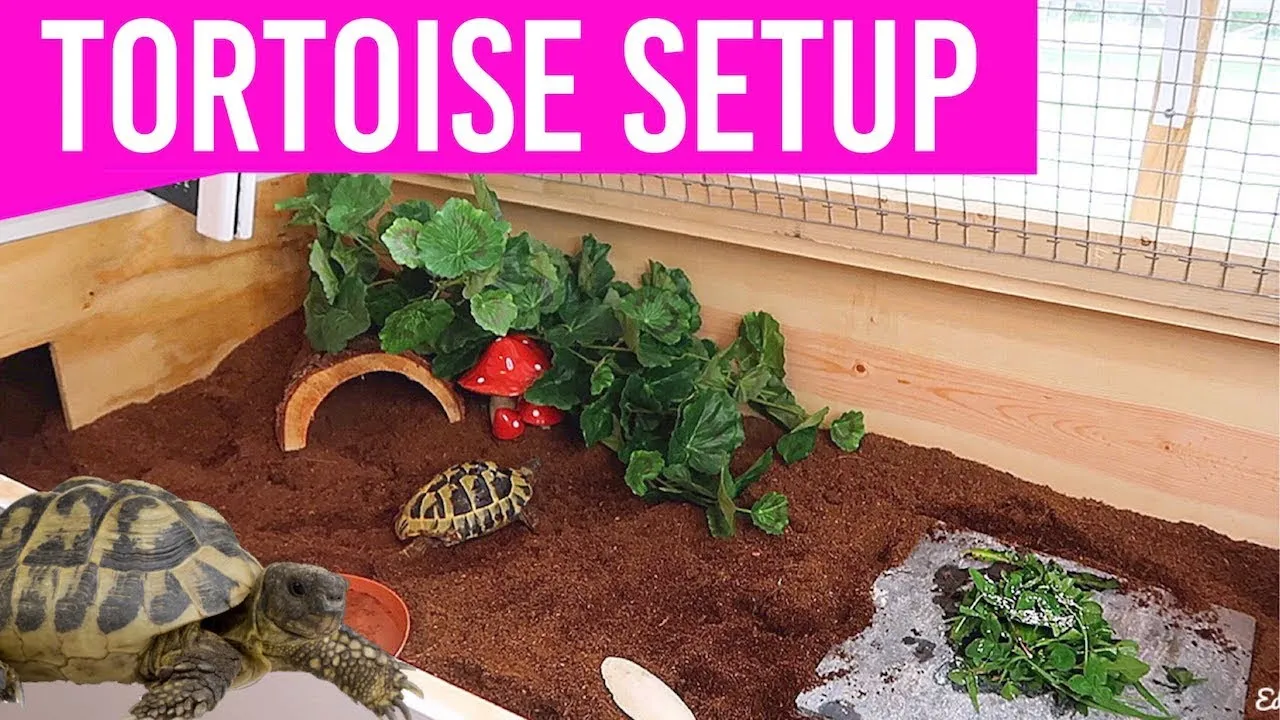
Choosing the Best Outdoor Tortoise Enclosure
Creating the ideal outdoor environment is crucial for the health and happiness of your tortoise. An outdoor enclosure provides essential sunlight, natural foraging opportunities, and a stimulating environment that mimics their natural habitat. However, with numerous design options and factors to consider, choosing the best outdoor tortoise enclosure can seem daunting. This guide will help you navigate the process, from understanding key considerations to exploring top design ideas, ensuring your tortoise thrives in its outdoor space.
Factors to Consider
Before diving into specific design ideas, it’s essential to consider several crucial factors that influence the suitability of an outdoor tortoise enclosure. These factors ensure the enclosure meets your tortoise’s specific needs, promotes its well-being, and aligns with your local climate and available resources. Careful planning and consideration of these elements are the foundation of a successful and enriching outdoor habitat for your pet.
Tortoise Species and Size

The species and size of your tortoise are primary determinants of enclosure size and design. Larger tortoises, such as Sulcata or African spurred tortoises, require significantly more space than smaller species like Hermann’s or Russian tortoises. Research the specific needs of your tortoise species, including their natural behaviors, foraging habits, and preferred temperature ranges. The enclosure should be large enough for your tortoise to move freely, explore, and exhibit natural behaviors without feeling cramped. Consider the adult size of your tortoise when planning the enclosure, as they can continue to grow for many years.
Climate and Location
Your local climate and the specific location within your yard heavily influence the design of the enclosure. Consider sunlight exposure, temperature fluctuations, and prevailing wind patterns. Tortoises need access to both direct sunlight for basking and shaded areas to regulate their body temperature. Choose a location that receives adequate sunlight throughout the day, but also offers areas of shade provided by plants, structures, or partial coverings. Protect the enclosure from harsh winds and extreme temperatures by selecting a sheltered location or incorporating windbreaks and insulated structures.
Safety and Security
Safety and security are paramount when designing an outdoor enclosure. Ensure the enclosure is predator-proof, with secure walls, fencing, and a sturdy base to prevent escapes and protect your tortoise from potential threats. Consider the digging capabilities of your tortoise and incorporate a buried barrier to prevent digging out. Choose non-toxic materials and avoid sharp edges or hazards that could injure your tortoise. The enclosure should also be located in an area where it can be easily monitored and maintained, allowing you to quickly address any issues.
Top 5 Outdoor Tortoise Enclosure Design Ideas

Now that you understand the key considerations, let’s explore five popular and effective outdoor tortoise enclosure design ideas. These designs provide different approaches to creating a safe, enriching, and stimulating environment for your tortoise. Each design offers unique advantages and can be customized to meet the specific needs of your tortoise and the characteristics of your outdoor space.
The Naturalistic Habitat
A naturalistic habitat aims to replicate a tortoise’s natural environment, providing a stimulating and enriching experience. This design focuses on incorporating natural elements, such as plants, rocks, logs, and varied terrain, to create a dynamic and engaging space for your tortoise to explore.
Benefits of Naturalistic Habitats
Naturalistic habitats offer numerous benefits for tortoises, promoting their physical and mental well-being. The diverse terrain encourages natural behaviors such as climbing, digging, and foraging. The presence of plants provides shade, shelter, and opportunities for grazing. These elements also help regulate humidity and create microclimates, which are essential for maintaining the tortoise’s health. Naturalistic habitats stimulate the tortoise’s mind and provide a more engaging and less stressful living environment.
How to Create a Naturalistic Habitat

To create a naturalistic habitat, start with a spacious enclosure and incorporate a variety of natural elements. Use a substrate of soil, sand, and leaf litter to allow for digging. Plant a mix of safe, edible plants, such as grasses, weeds, and succulents. Add rocks, logs, and other natural features to create varied terrain. Ensure the enclosure has areas of both sun and shade, and provide a shallow water dish for drinking and soaking. Regularly observe your tortoise and adjust the habitat as needed to ensure it meets their needs.
The Raised Bed Enclosure
Raised bed enclosures are a practical and versatile option, especially for those with limited space or challenging terrain. These enclosures are built above ground level, providing several advantages in terms of accessibility, drainage, and predator protection.
Advantages of Raised Beds
Raised bed enclosures offer several advantages. They are easier to access for cleaning and maintenance, reducing strain on your back. The elevated design improves drainage, preventing the substrate from becoming waterlogged. Raised beds also provide a barrier against ground-level predators, such as dogs or rodents, and make it more difficult for your tortoise to escape. The elevated structure also allows you to control the soil composition and temperature more effectively.
Building a Raised Bed Enclosure
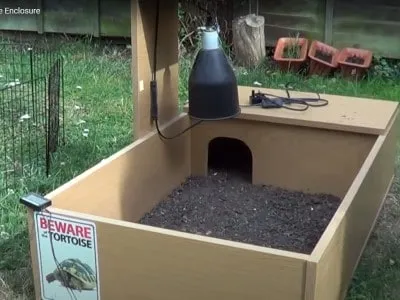
To build a raised bed enclosure, select durable, non-toxic materials such as wood, composite decking, or concrete blocks. Construct a frame to the desired dimensions and height. Line the interior with a barrier, such as landscape fabric or hardware cloth, to prevent the soil from leaking. Fill the enclosure with a suitable substrate, and incorporate features like hiding spots, basking areas, and water dishes. Ensure the enclosure is securely enclosed and protected from predators, with a secure lid or fencing if necessary.
The In-Ground Enclosure
In-ground enclosures integrate seamlessly with the natural environment, allowing tortoises to interact more directly with the soil and ground cover. This design is often favored for its natural aesthetic and can be particularly suitable for larger tortoise species.
Pros and Cons of In-Ground Enclosures
In-ground enclosures offer the advantage of providing a more natural environment for tortoises, allowing them to interact with the soil and root systems. However, in-ground enclosures can be more challenging to maintain, particularly regarding drainage and predator control. It’s essential to choose a location with good drainage and implement robust predator-proofing measures, such as buried fencing and secure barriers. Additionally, in-ground enclosures can be more difficult to clean and maintain compared to raised beds.
Constructing an In-Ground Enclosure

To construct an in-ground enclosure, first, determine the size and shape based on your tortoise’s species and needs. Dig a perimeter trench deep enough to bury fencing or hardware cloth to prevent digging out. Install the barrier, ensuring it extends above ground level to contain the tortoise and prevent predators from entering. Fill the enclosure with a suitable substrate, such as a mix of soil, sand, and leaf litter. Incorporate features like hiding spots, basking areas, and a shallow water dish. Consider adding a layer of gravel or drainage material at the bottom of the enclosure to aid water flow.
The Combination Enclosure
The combination enclosure blends various design elements to create a tailored and adaptable habitat. This design allows you to incorporate different features and functionalities to meet the specific needs of your tortoise and the conditions of your outdoor space.
Combining Different Design Elements
A combination enclosure might incorporate elements of a naturalistic habitat, a raised bed, and an in-ground component. For example, you might build a raised bed with a portion of the enclosure, creating a shaded area and providing a safe, accessible space. The remaining area could be in-ground, offering opportunities for digging and foraging. The combination enclosure is highly versatile, allowing you to adapt to your tortoise’s changing needs and the seasons.
Customizing for Tortoise Needs

The primary advantage of a combination enclosure is its ability to be customized. You can tailor the design to your tortoise’s individual preferences and health requirements. For instance, you might create a special basking area with specific lighting or temperature conditions. You could also add a separate quarantine area or a specific area for feeding or enrichment. By combining elements, you can create a more diverse and stimulating environment.
Maintaining Your Outdoor Tortoise Enclosure
Regular maintenance is crucial to ensuring the health and well-being of your tortoise. Consistent upkeep helps maintain a clean and hygienic environment, prevents the build-up of harmful bacteria, and addresses any potential issues promptly. Make maintenance a routine part of your tortoise-keeping responsibilities.
Cleaning and Hygiene
Regular cleaning is vital to maintaining a healthy environment. Remove fecal matter daily to prevent the buildup of bacteria and parasites. Spot-clean the enclosure as needed, removing any uneaten food, shed skin, or debris. Deep-clean the entire enclosure regularly, replacing the substrate and disinfecting surfaces. Use a reptile-safe disinfectant and rinse thoroughly with clean water. Maintaining good hygiene minimizes the risk of illness and ensures your tortoise’s habitat remains a clean and pleasant space.
Regular Inspection

Conduct regular inspections of the enclosure to identify any potential problems. Check for any signs of damage or wear, such as cracks in the walls, damaged fencing, or loose barriers. Monitor the condition of the substrate, ensuring it remains clean, and replace it as needed. Inspect the tortoise for any signs of illness, such as lethargy, loss of appetite, or abnormal droppings. Regular inspection helps you detect and address issues early before they escalate, ensuring your tortoise’s health and safety.
Seasonal Adjustments
Make seasonal adjustments to the enclosure to accommodate changing weather conditions. During hot weather, provide ample shade and ensure access to fresh water. During colder months, provide a heated shelter or bring your tortoise indoors. Monitor the temperature and humidity levels, making adjustments as needed. Changing your enclosure conditions seasonally helps maintain a comfortable and safe environment for your tortoise, supporting its overall health and well-being. Adapting to the seasonal changes is essential for the long-term health and happiness of your tortoise.
Creating a well-designed outdoor tortoise enclosure is a rewarding endeavor. By carefully considering the factors discussed and exploring the design ideas presented, you can create a safe, enriching, and stimulating environment where your tortoise can thrive. Regular maintenance, attention to detail, and a commitment to your tortoise’s well-being will ensure your pet’s continued health and happiness for years to come.