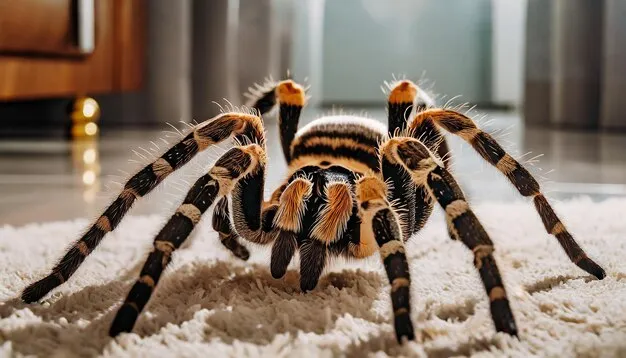
Owning a tarantula spider can be a fascinating and rewarding experience. These captivating creatures, with their impressive size and diverse personalities, have gained popularity as exotic pets. However, before you bring a tarantula into your home, it’s crucial to understand their specific needs and how to care for them properly. This guide will provide you with the top 5 things to know, ensuring a healthy and fulfilling life for both you and your eight-legged friend.
Top 5 Things to Know Before Owning a Tarantula Spider
Before getting your tarantula spider, research is key. Understand their basic needs, lifespan, and the commitment involved. Ensure you can provide the appropriate environment, including habitat setup, feeding, and consistent care. These pets are not like other pets. Understanding that is the first thing you need to take in mind.
Understanding Tarantula Spider Species
Tarantulas come in a variety of species, each with unique characteristics. Some are more docile and beginner-friendly, while others may be more defensive. Research different species to find one that aligns with your experience level and preferences. Consider their size, temperament, and specific care requirements.
Popular Tarantula Species for Beginners

For beginners, species like the Chilean Rose Hair (Grammostola rosea) and the Pinktoe Tarantula (Avicularia avicularia) are often recommended. These species tend to be more docile, have lower humidity requirements, and are relatively easy to care for. However, research is always the most important thing.
Things to Consider when Choosing a Species
When selecting a species, consider factors like venom potency, temperament, and defensiveness. Some species are prone to biting or kicking urticating hairs (small, irritating hairs). Research their natural habitat, as this influences their needs for temperature, humidity, and enclosure setup. Always consider the size of the adult tarantula, as this will determine the required enclosure size.
Creating the Perfect Tarantula Habitat
A suitable habitat is crucial for your tarantula’s well-being. It should mimic their natural environment to provide a safe and comfortable space. The enclosure should be escape-proof, well-ventilated, and appropriate in size for the tarantula’s species and size. Proper setup is key to ensuring your tarantula thrives.
Choosing the Right Enclosure for your Tarantula

The enclosure should be appropriately sized for the tarantula. A juvenile tarantula will require a smaller enclosure than an adult. Glass or acrylic enclosures are commonly used. Ensure the enclosure has a secure lid to prevent escapes and adequate ventilation to prevent the buildup of humidity and harmful gases. Consider the species’ natural habitat to determine whether a terrestrial or arboreal setup is needed.
Substrate and Decor Essentials
The substrate is the bedding material that covers the bottom of the enclosure. It should be absorbent and provide a natural environment for burrowing. Common substrates include coco fiber, peat moss, or a mix of both. Provide decorations such as cork bark, branches, or artificial plants to create hiding places and enrich the environment. The substrate should be deep enough for burrowing species to create their burrows.
Temperature and Humidity Control
Tarantulas thrive in specific temperature and humidity ranges. Research the requirements for your tarantula species. Use a thermometer and hygrometer to monitor temperature and humidity levels accurately. Maintain the appropriate temperature with a heat mat or lamp, ensuring it doesn’t overheat the enclosure. Provide proper ventilation to manage humidity levels. Misting the enclosure regularly may be necessary to maintain humidity, especially for tropical species.
Feeding and Hydration for Your Tarantula Spider

Proper feeding and hydration are essential for your tarantula’s health. Feed your tarantula a diet of appropriately sized insects and provide fresh water at all times. The frequency of feeding depends on the tarantula’s age and species. Be mindful of the food’s nutritional value.
What to Feed your Tarantula
A tarantula’s diet consists primarily of insects. Crickets, mealworms, roaches, and other commercially available insects are common choices. The size of the prey should be appropriate for the tarantula’s size; avoid feeding insects that are too large. Dust insects with calcium and vitamin supplements to ensure the tarantula receives the necessary nutrients. Remove uneaten prey to prevent stress and potential injury to the tarantula.
Watering your Tarantula Correctly
Provide a shallow water dish with fresh, clean water at all times. Ensure the water dish is easily accessible and difficult for the tarantula to tip over. Alternatively, mist the enclosure regularly to provide a source of hydration, especially for arboreal species. Always remove spilled water or moisture buildup to prevent the growth of mold and bacteria.
Handling and Safety Precautions

Tarantulas are generally not fond of being handled, and it’s important to prioritize your safety and the tarantula’s well-being. Handling can be stressful for the spider and may lead to bites or the release of urticating hairs. If you choose to handle your tarantula, do so with extreme caution, and only when necessary.
Safe Handling Practices
Handle your tarantula only when essential, such as for enclosure maintenance or health checks. Handle the tarantula close to the ground or a soft surface to minimize the risk of injury if it falls. Wash your hands thoroughly before and after handling to prevent the spread of germs. Be mindful of the tarantula’s behavior and body language. If it displays signs of stress, like lifting its front legs or flicking urticating hairs, it is best to leave it alone.
Recognizing Signs of Stress in your Tarantula
Tarantulas may exhibit various signs of stress. Watch for changes in behavior, such as hiding more than usual or refusing to eat. Defensive postures like raising the front legs or flicking urticating hairs indicate the tarantula feels threatened. Loss of appetite, lethargy, or unusual movements may also signal stress. Address any potential stressors, such as inadequate temperature, humidity, or handling, to ensure the tarantula’s well-being.
Understanding Tarantula Spider Behavior

Understanding a tarantula’s behavior is vital for providing appropriate care and ensuring its well-being. Learn about the molting process, common health issues, and how to recognize signs of stress. Observing these behaviors allows you to respond to your tarantula’s needs.
Moulting Process Explained
Moulting is a natural process where tarantulas shed their exoskeleton to grow. During this time, the tarantula may appear sluggish, lose its appetite, and hide more frequently. Do not disturb the tarantula during moulting. Provide a humid environment to aid in the process. After moulting, the tarantula’s new exoskeleton will be soft, so it’s important to wait a few days before feeding to allow it to harden fully.
Common Health Issues
Tarantulas are generally hardy, but they can be susceptible to certain health issues. Poor husbandry can lead to issues like fungal infections, mites, or dehydration. Regularly inspect your tarantula for signs of illness, such as unusual behavior, loss of appetite, or physical abnormalities. Maintaining proper temperature, humidity, and hygiene in the enclosure can prevent many health problems.
Where to Buy Your Tarantula

Choosing a reputable source is essential when acquiring a tarantula. This ensures you receive a healthy specimen and accurate information about its care. Research breeders and suppliers to find those with positive reviews, healthy animals, and proper care practices. This is critical for both the tarantula and yourself.
Reputable Breeders and Suppliers
Look for breeders and suppliers with experience and a good reputation. Check online reviews, ask for recommendations from other tarantula keepers, and visit their facilities if possible. Reputable sources prioritize the health and well-being of their animals and provide accurate information about their care requirements. They will also be transparent about the species’ origin.
Things to Avoid When Buying
Avoid purchasing tarantulas from unreliable sources. Be cautious of vendors with limited information or those who seem unwilling to answer your questions. Avoid buying tarantulas that appear unhealthy or display signs of illness. Ensure that the tarantula is properly identified and that you receive all necessary information about its care. If you are new to tarantulas, it’s wise to consult experienced keepers or breeders for guidance.
Owning a tarantula spider is a rewarding experience, and by following these top 5 things to know, you can ensure a long, healthy, and fulfilling life for your eight-legged friend. Remember to research, prepare, and provide the necessary care, and you’ll be well on your way to becoming a successful tarantula owner. Enjoy the unique journey of caring for these fascinating creatures!