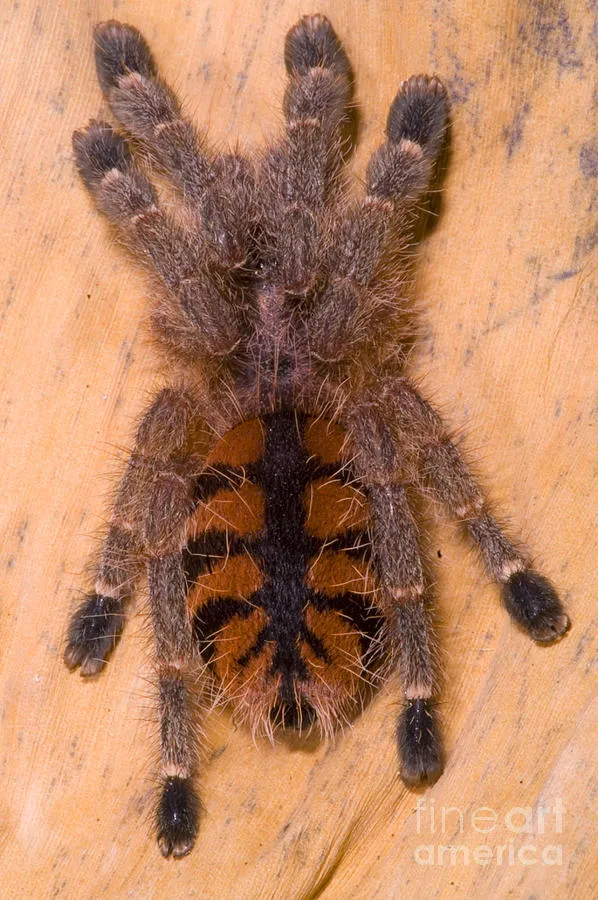
What is a Pink Toe Tarantula (Avicularia avicularia)
The Pink Toe Tarantula, scientifically known as Avicularia avicularia, is a captivating arboreal tarantula species highly sought after by both novice and experienced arachnid enthusiasts. Native to the tropical rainforests of South America, including regions of Venezuela, Brazil, and Guyana, these spiders are recognized for their striking appearance and relatively docile temperament. Their common name comes from the characteristic pink coloration on the tips of their legs, a feature that distinguishes them from other tarantula species. These tarantulas are popular in the pet trade due to their manageable size, beautiful coloration, and interesting behaviors. Proper care and understanding of their specific needs are essential to ensure the health and longevity of these fascinating creatures.
Origin and Habitat of the Pink Toe Tarantula
Pink Toe Tarantulas originate from the warm, humid environments of South American rainforests. They are commonly found in countries such as Venezuela, Brazil, and Guyana, where they thrive in the high canopy of trees. Their natural habitat plays a crucial role in understanding their care requirements. These tarantulas are arboreal, meaning they spend most of their lives in trees. They build silken retreats in the branches, where they are sheltered from the elements and predators. The rainforest environment provides the necessary humidity and temperature conditions for their survival. Replicating their natural habitat is vital for their well-being. A proper enclosure should mimic the arboreal lifestyle with suitable climbing structures and appropriate humidity levels to mirror their natural surroundings. This understanding is critical for successful Pink Toe Tarantula keeping.
Pink Toe Tarantula Appearance and Characteristics

One of the most alluring aspects of the Pink Toe Tarantula is its striking appearance. They are typically a dark gray or black color, with the distinctive pink tips on their tarsi (feet). These pink tips are more pronounced in younger specimens and can fade slightly as they mature. They have a relatively slender build compared to some other tarantula species, which is well-suited to their arboreal lifestyle. Their bodies are covered in fine hairs, which give them a velvety appearance. The size of a Pink Toe Tarantula can vary depending on its sex and individual genetics. Females typically grow larger than males, with a leg span that can reach up to 5-6 inches. Males are generally smaller and often have a shorter lifespan. The overall appearance and the unique coloration make them a visually stunning addition to any collection of exotic pets.
The Pink Toe Tarantula’s Temperament and Behavior
Pink Toe Tarantulas are known for their relatively docile temperament, making them a popular choice for beginner tarantula keepers. They are generally less defensive than some other species, but it’s important to remember that they are still wild animals and should be handled with caution. When startled or threatened, they may flick urticating hairs as a defense mechanism, which can cause mild skin irritation. They are generally more likely to run and hide than to bite. Their arboreal lifestyle means they are very agile and can move quickly within their enclosure. They often construct intricate webs within their enclosures, using them for shelter and to ambush prey. Observing their behavior is a fascinating aspect of tarantula keeping. They are generally nocturnal, becoming most active during the nighttime hours.
Pink Toe Tarantula Top 5 Facts
Fact 1 The Pink Toe Tarantula’s Arboreal Lifestyle

Pink Toe Tarantulas are arboreal, meaning they live in trees. They build webs in the branches, using them as a home and a place to ambush prey. The enclosure should reflect this lifestyle, with vertical space and climbing structures.
Fact 2 Pink Toe Tarantulas and Their Diet
They are primarily insectivores, feeding on crickets, roaches, and other insects. Feeding frequency depends on the tarantula’s size and age, but generally, they should be fed a few times a week. Always remove uneaten food to prevent mold and mites.
Fact 3 Pink Toe Tarantula Habitat Requirements
A suitable enclosure is crucial. They require high humidity (70-80%) and temperatures between 75-85°F (24-29°C). Ventilation is important to prevent mold. Substrate should be a mix of coco fiber, peat moss, and vermiculite.
Fact 4 Pink Toe Tarantula Lifespan and Growth

Females can live for 10-12 years or longer, while males typically live for 2-3 years after their final molt. They grow by molting, shedding their exoskeleton. The frequency of molting decreases with age.
Fact 5 Handling and Safety for Pink Toe Tarantulas
While relatively docile, handling should be minimized. If handling is necessary, do so close to the ground to avoid injury if the tarantula falls. Avoid sudden movements and always wash your hands after handling.
Caring for Your Pink Toe Tarantula
Choosing the Right Enclosure

A tall enclosure is essential, as these tarantulas are arboreal. The size should be appropriate for the tarantula’s size, with enough space to move around and build a web. A 10-gallon tank is suitable for juveniles, while adults may need a 20-gallon or larger enclosure. The enclosure must have a secure lid to prevent escape. Ventilation is important to maintain air quality and prevent the buildup of excess moisture.
Maintaining Humidity and Temperature
Maintaining the correct humidity and temperature levels is critical for the health and well-being of your Pink Toe Tarantula. Humidity should be kept between 70-80%. This can be achieved by misting the enclosure with dechlorinated water a few times a week. A hygrometer is essential to monitor humidity levels. Temperature should be maintained between 75-85°F (24-29°C). A heat lamp or under-tank heater can be used to maintain the desired temperature, but always ensure there is a temperature gradient to avoid overheating.
Feeding Your Pink Toe Tarantula
Feeding your Pink Toe Tarantula is a crucial part of its care. They are insectivores, so their diet should consist primarily of insects. Suitable food items include crickets, roaches, mealworms, and other commercially available insects. The size of the prey should be appropriate for the size of the tarantula; it is recommended that the prey be no larger than the tarantula’s abdomen. Feeding frequency depends on the tarantula’s age and size. Spiderlings should be fed more often (2-3 times a week), while adults can be fed once a week or less. Always remove uneaten food within 24 hours to prevent mold growth and mite infestations. Ensure the insects are gut-loaded before feeding to provide the tarantula with optimal nutrition.
Providing Water and Hydration

Providing a clean water source is essential for your Pink Toe Tarantula’s hydration. A shallow water dish should be available at all times. The water should be dechlorinated to avoid harmful chemicals. Alternatively, you can use a water gel product, especially for smaller tarantulas to avoid accidental drowning. Regularly check and refill the water dish, ensuring it remains clean and free of debris. Mist the enclosure lightly to maintain humidity and provide an additional source of hydration. Proper hydration is critical for successful molting and overall health.
Health and Common Issues
Molting Process
Molting is a natural process in which the tarantula sheds its exoskeleton to grow. Before molting, the tarantula may stop eating and become less active. It will often create a mat of webbing to lie on. During the molting process, the tarantula is very vulnerable. Do not disturb the tarantula during this time. Provide ample humidity and avoid handling. After molting, the tarantula’s new exoskeleton will be soft, and it may take a few days for it to harden fully. Avoid feeding the tarantula until its fangs have fully hardened. A successful molt is a sign of a healthy Pink Toe Tarantula.
Recognizing and Treating Common Ailments

Keeping a close eye on your Pink Toe Tarantula’s health is essential for their well-being. Watch for signs of illness, such as lethargy, loss of appetite, or unusual behavior. Common issues include dehydration, which can be addressed by ensuring proper humidity and water access. Mites can infest the tarantula and enclosure, which can be treated by removing and replacing the substrate and cleaning the enclosure. Bacterial or fungal infections are rare if hygiene is maintained. If you notice any concerning symptoms, it’s best to consult with an experienced tarantula keeper or a veterinarian specializing in exotic animals for professional advice and treatment.