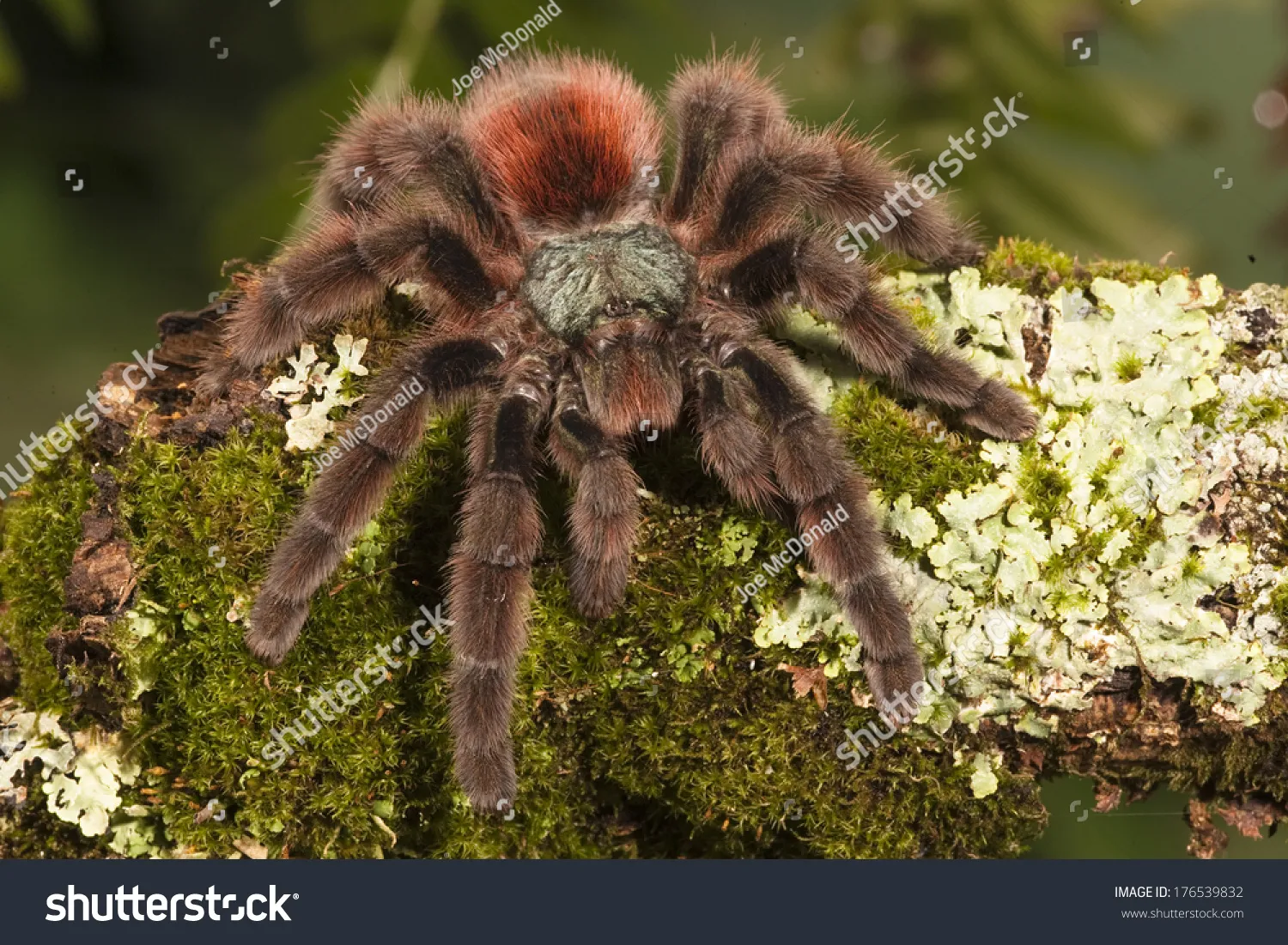
What is a Pink Toe Tarantula?
The Pink Toe Tarantula, scientifically known as Avicularia avicularia, is a captivating arboreal tarantula species, popular among arachnid enthusiasts. Native to the rainforests of the Caribbean and northern South America, these spiders are renowned for their striking appearance and relatively docile temperament, making them a favorite for both novice and experienced keepers. Their name derives from the distinctive pink or reddish coloration on the tips of their feet, a characteristic that adds to their visual appeal. These tarantulas are not only beautiful but also play a crucial role in their ecosystem, primarily as predators of insects and small invertebrates. Understanding the Pink Toe Tarantula begins with appreciating their natural habitat and the conditions they thrive in, which are crucial for their well-being in captivity.
Appearance of the Pink Toe Tarantula
The Pink Toe Tarantula presents a stunning display of color and form. Their bodies are generally dark, ranging from deep blacks and grays to rich browns, providing a stark contrast to the vibrant pink hues adorning their feet. The carapace, the protective shell covering the cephalothorax (the combined head and thorax), can have a metallic sheen in some specimens, further enhancing their visual appeal. Their abdomen is typically covered in fine hairs, contributing to their overall fuzzy appearance. The size of the Pink Toe Tarantula varies depending on the individual’s age and sex, with females generally larger than males. Mature females can reach a leg span of up to 5-6 inches, while males are typically smaller. Their size and vibrant colors, along with their delicate appearance, make them a captivating sight for anyone who appreciates the beauty of the natural world.
Color Variations of the Pink Toe Tarantula

While the name highlights the pink toes, the Pink Toe Tarantula exhibits a range of colors that add to its allure. The body color can vary, and the shade of pink on their feet can differ from a light blush to a deep reddish-pink. These variations are influenced by several factors, including genetics, diet, and environmental conditions. The following sections will delve into the specific color variations and factors that contribute to the unique appearance of each individual tarantula. Understanding these variations not only enhances your appreciation for these creatures but also can offer insights into their health and well-being. Observing these colors can be a fascinating aspect of keeping Pink Toe Tarantulas.
Pink Toe Tarantula Colors
The primary identifying feature of the Pink Toe Tarantula is, of course, the pink coloration on the tips of its feet. This color can range from a pale pink to a vibrant, almost neon, hue. The intensity of the pink can vary based on the individual tarantula’s genetics, age, and overall health. The contrast between the pink feet and the darker body creates a striking visual effect, making these spiders highly sought after by hobbyists. While the pink toes are a consistent trait, the body color can show slight variations, enhancing the overall appeal of this species.
Blue and Purple Hues
Some Pink Toe Tarantulas may exhibit subtle blue or purple hues, especially on their carapace or around their legs. These colors are often more noticeable under specific lighting conditions and can create a mesmerizing effect. The presence of these colors can be attributed to the way light interacts with the structure of the tarantula’s exoskeleton, creating iridescence. While not all Pink Toe Tarantulas display these colors, the possibility adds another layer of fascination to this species. Proper lighting in their enclosure can sometimes enhance the visibility of these beautiful shades, offering keepers a rewarding viewing experience.
Green and Yellow Tints

In addition to blue and purple, some Pink Toe Tarantulas may show hints of green or yellow, especially on their chelicerae (mouthparts) or the hairs on their abdomen. These colors are less common than pink, blue, or purple, but they can add a unique touch to the tarantula’s overall appearance. The diet of the tarantula may play a role in the expression of these colors, as certain carotenoids from their prey can be incorporated into their exoskeleton. Observing these color variations is a rewarding aspect of Pink Toe Tarantula keeping, showcasing the subtle beauty and diversity within this species.
Red and Orange Markings
Some Pink Toe Tarantulas might show red or orange markings, particularly on their carapace or the area around their fangs. These brighter colors often become more pronounced as the tarantula matures. The intensity of these markings can vary among individuals and may be influenced by genetics and environmental factors. These red and orange accents provide a striking contrast to the darker body colors, further enhancing the visual appeal of the Pink Toe Tarantula. Careful observation of these markings can provide insights into the tarantula’s health and development, offering a deeper understanding of this captivating species.
Factors Influencing Coloration
Several factors contribute to the color variations observed in Pink Toe Tarantulas. Understanding these influences can help keepers provide optimal conditions to support their tarantula’s health and showcase their beautiful colors. Genetics, diet, and environmental conditions play significant roles in determining the final appearance of these fascinating creatures. By considering these elements, keepers can ensure that their Pink Toe Tarantulas thrive and display their full potential, offering a rewarding experience for both the tarantula and the keeper.
Genetics

Genetics play a crucial role in determining the base color and the potential for variations in Pink Toe Tarantulas. Selective breeding and genetic mutations can lead to different color morphs and patterns. The genes inherited from the tarantula’s parents influence the production and distribution of pigments in the exoskeleton. While it is difficult to predict the exact colors a tarantula will display, understanding genetics can help in appreciating the diversity within the species. Breeders often select individuals with desirable color traits to produce offspring with similar characteristics, leading to a wider variety of colors in captive-bred populations.
Diet and Nutrition
Diet and nutrition can also influence the coloration of Pink Toe Tarantulas. The food they consume can impact the pigments in their exoskeleton. For example, a diet rich in carotenoids (found in some insects) can enhance red and orange markings. A balanced diet ensures that the tarantula receives all the necessary nutrients for healthy growth and vibrant colors. Providing a varied diet of appropriately sized insects and other invertebrates can help support the tarantula’s overall health and contribute to its vibrant appearance. Ensuring a proper diet is key to helping your tarantula showcase its best colors.
Age and Molting
The age and molting process significantly impact the coloration of Pink Toe Tarantulas. Young tarantulas often have less intense colors, which become more vibrant as they mature. During molting, the tarantula sheds its exoskeleton, revealing a new one with potentially brighter colors. The molting process allows the tarantula to grow and renew its appearance. Factors such as humidity and nutrition play a crucial role in supporting a successful molt. After molting, the tarantula’s colors often become more vivid, making the process a rewarding experience for keepers. It is a sign of a healthy and growing tarantula.
Coloration and Health

The coloration of a Pink Toe Tarantula can provide insights into its overall health. Observing any changes in color, such as fading or unusual markings, can be an early indicator of potential health issues. Understanding how to interpret these visual cues can help keepers identify and address problems before they escalate. By monitoring the tarantula’s appearance and behavior, keepers can ensure that their pet remains healthy and thrives. Recognizing the signs of a healthy and thriving tarantula is essential for responsible pet ownership.
Identifying Health Issues through Color
Changes in the coloration of a Pink Toe Tarantula can sometimes indicate underlying health problems. For instance, a loss of color intensity or the appearance of unusual spots or discoloration might signal stress, dehydration, or a developing illness. A dull or faded appearance could indicate a problem with the tarantula’s molting cycle or nutritional deficiencies. If you observe significant changes in your tarantula’s color, it is crucial to assess other aspects of its behavior, such as appetite and activity level, and review its living conditions. Consulting with an experienced tarantula keeper or veterinarian can also help identify the cause and provide appropriate care. Early detection is key to addressing any health issues effectively.
Importance of Proper Care
Providing proper care is essential to ensure the health and vibrant coloration of Pink Toe Tarantulas. This includes maintaining the correct temperature and humidity levels in their enclosure, providing a balanced diet, and ensuring they have access to fresh water. Regular cleaning of the enclosure and removing any uneaten food prevents the growth of bacteria and mold, promoting a healthy environment. Understanding the specific needs of the Pink Toe Tarantula and providing appropriate care is crucial for promoting their overall well-being and ensuring they display their stunning colors. Proper care not only helps with their appearance but also extends their lifespan and enhances their quality of life.
Conclusion

The Pink Toe Tarantula is a captivating species, admired for its beautiful colors and fascinating behavior. The color variations, from the signature pink toes to the subtle hues on their bodies, add to their appeal. Understanding the factors that influence coloration, such as genetics, diet, and environmental conditions, helps in appreciating their unique beauty. Monitoring color changes and providing proper care are essential for maintaining their health and ensuring they thrive. By learning about these amazing creatures, we can enhance our appreciation for the natural world and promote responsible tarantula keeping. Pink Toe Tarantulas are a rewarding addition to any arachnid enthusiast’s collection.