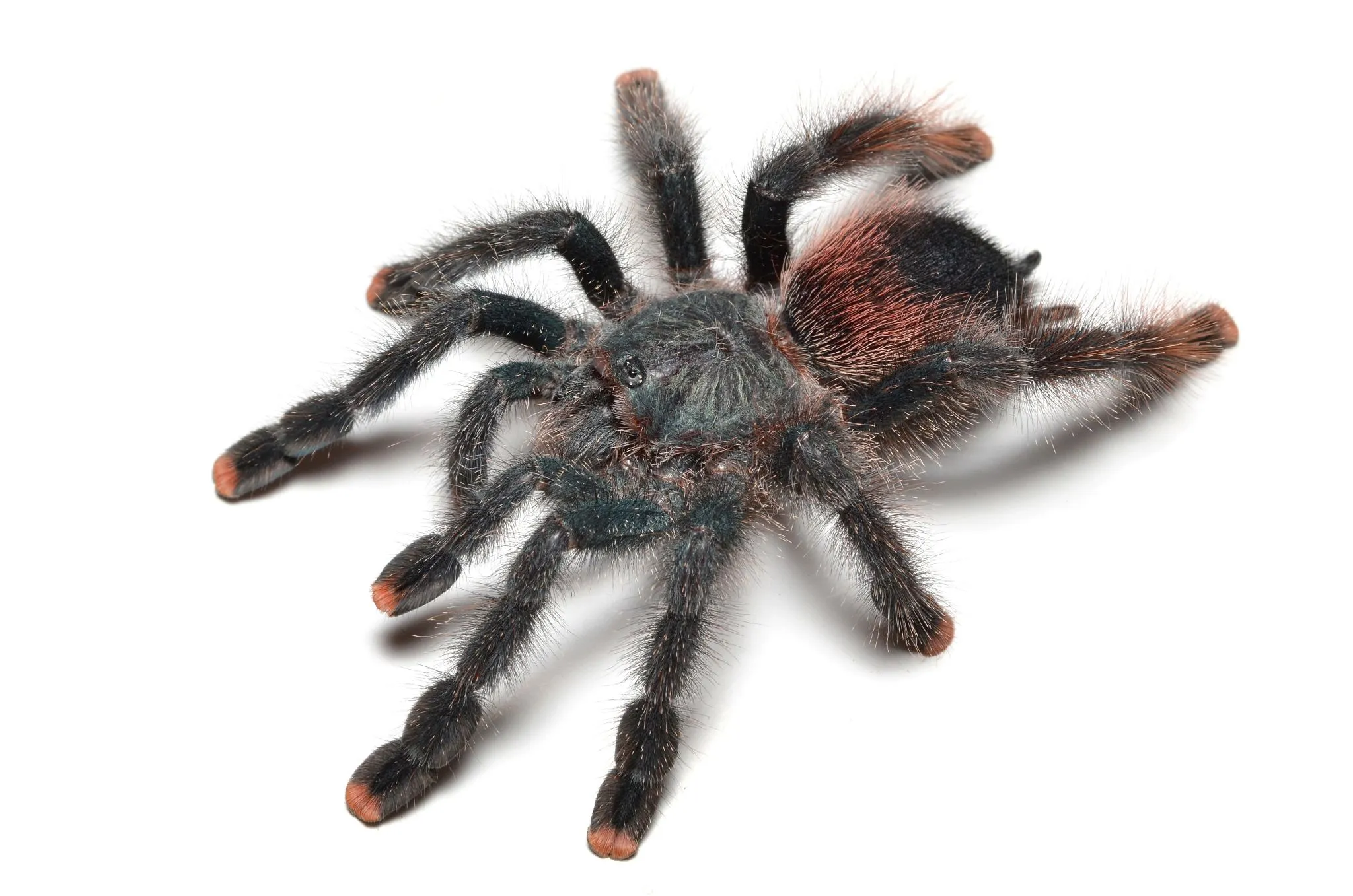
Understanding the Pinktoe Tarantula (Avicularia avicularia)
The Pinktoe Tarantula, scientifically known as Avicularia avicularia, is a captivating species of tarantula, popular among arachnid enthusiasts. These spiders are known for their arboreal lifestyle, preferring to live in trees and elevated environments. Characterized by their striking appearance, including metallic silver, pink, and toe-like tips on their feet, Pinktoe Tarantulas are relatively docile and make excellent pets for those prepared to provide proper care. Their gentle nature and unique look make them a rewarding addition to any pet collection. Understanding the basics of their biology and behavior is crucial to ensure their well-being.
Origin and Habitat of the Pinktoe Tarantula
Pinktoe Tarantulas originate from the tropical rainforests of South America, particularly in countries like Brazil, Guyana, and French Guiana. In their natural habitat, they construct silken retreats among tree branches, using their unique toe pads to navigate the arboreal environment. These tarantulas thrive in humid, warm conditions and are well-adapted to the lush, verdant environment of the rainforest. Replicating their natural habitat is essential for their health in captivity, which includes providing the appropriate temperature, humidity, and space to move around. Understanding their origins helps in providing an ideal environment, and the better care will ensure they thrive.
Creating the Ideal Pinktoe Tarantula Enclosure

Creating an appropriate habitat is critical for the health and happiness of a Pinktoe Tarantula. The enclosure should mimic their natural environment, providing a secure, comfortable space where they can thrive. This involves selecting the right size and material for the enclosure, setting up the substrate, and decorating it to meet their behavioral needs. The proper enclosure supports the spider’s well-being and allows for the observation of its fascinating behaviors.
Enclosure Size and Material
The size of the enclosure depends on the tarantula’s size. For juveniles, a 5-10 gallon tank is sufficient, but as the tarantula grows, it will need more space. Adult Pinktoe Tarantulas should be housed in a 10-20 gallon terrarium. It is best to use a glass or acrylic enclosure. These materials are easy to clean, allow for good ventilation, and provide clear visibility. The enclosure should have a secure lid to prevent escapes and ensure the safety of the spider. The design of the enclosure is essential in creating a thriving and safe habitat.
Substrate Selection and Setup
The substrate, or bedding, is a crucial part of the Pinktoe Tarantula’s enclosure. It provides a surface for the tarantula to walk on, helps regulate humidity, and allows the spider to burrow if it chooses. A mixture of coconut fiber, peat moss, and vermiculite works well, as it retains moisture while providing good drainage. The substrate should be deep enough (2-4 inches) to allow for burrowing and should be kept clean. Regular cleaning of the substrate is essential to prevent mold growth and maintain a healthy environment for the tarantula. The right substrate not only ensures comfort but also the appropriate humidity levels required for the spider’s well-being.
Decorating the Enclosure

Decorating the enclosure with branches, cork bark, and artificial plants provides a stimulating environment for the Pinktoe Tarantula. These decorations offer climbing surfaces, hiding spots, and a more naturalistic setting. Ensure that any decorations are securely placed and non-toxic. A water dish, preferably shallow, should also be included for hydration. The addition of these elements not only enhances the aesthetic appeal but also promotes the spider’s natural behaviors. It contributes to a stress-free habitat, and the spider will be far more comfortable.
Maintaining Optimal Temperature and Humidity
Controlling the temperature and humidity is critical to the health and well-being of your Pinktoe Tarantula. They require a specific environment to thrive, mirroring their natural habitat’s warm and humid conditions. The temperature and humidity levels must be carefully maintained to ensure they shed their skin properly and prevent health problems. Consistent monitoring and adjustments are essential for creating a comfortable and healthy environment for your pet.
Temperature Requirements
Pinktoe Tarantulas thrive in a temperature range of 75-85°F (24-29°C). A heat source, such as a low-wattage heat lamp or a heat mat placed on the side of the enclosure (not the bottom), can maintain this temperature. It’s crucial to monitor the temperature with a thermometer, and to avoid overheating the enclosure. The heat source should be regulated to prevent fluctuations. This consistency will allow the Pinktoe Tarantula to thrive in its habitat and encourage its healthy behavior. This will ensure your tarantula feels comfortable and will avoid the stress of temperature changes.
Humidity Levels and Management

Humidity levels should be maintained between 70-80% for Pinktoe Tarantulas. Regular misting of the enclosure with dechlorinated water helps maintain the correct humidity level. A hygrometer is essential to monitor humidity accurately. Good ventilation is also crucial to prevent mold growth. The substrate helps maintain humidity, but it needs to be monitored and adjusted as necessary. Achieving the right humidity ensures proper molting and overall health. Humidity control is crucial for the overall health and happiness of the tarantula.
Feeding Your Pinktoe Tarantula a Healthy Diet
Feeding your Pinktoe Tarantula properly is crucial for its growth and well-being. Providing a balanced diet of appropriate food items, along with the correct feeding frequency and portion control, ensures your tarantula receives all the necessary nutrients. It is important to observe the tarantula’s eating habits and adjust the diet as needed. A well-fed tarantula is a healthy tarantula.
Appropriate Food Items
Pinktoe Tarantulas are primarily insectivores, meaning their diet consists of insects. Suitable food items include crickets, roaches (such as Dubia roaches), mealworms, and other commercially available insects. The size of the insects should be appropriate for the tarantula; the general rule is that the prey should be no larger than the tarantula’s body. It’s crucial to ensure the insects are gut-loaded with nutritious food before feeding them to your tarantula. This is accomplished by feeding the insects a nutritious diet before feeding them to your pet.
Feeding Frequency and Portion Control

Juvenile Pinktoe Tarantulas should be fed 2-3 times a week, while adults can be fed once a week or every other week. Adjust the frequency based on the tarantula’s appetite and overall condition. Always remove uneaten food items within 24 hours to prevent mold and mites. Portion control is essential to avoid overfeeding, which can lead to health problems. It is also important to ensure that your spider is shedding regularly, so the spider can grow in a healthy manner. Feeding should be carefully monitored, and portion sizes should be adjusted depending on the size of the spider.
Providing Water and Hydration
Pinktoe Tarantulas need access to fresh, clean water at all times. A shallow water dish should be available in the enclosure. The water should be changed regularly to prevent bacterial growth. Misting the enclosure also provides additional hydration, especially for juveniles. Hydration is critical for the tarantula’s well-being, including supporting molting. The availability of water is essential for their health.
Handling and Interaction
While Pinktoe Tarantulas are generally docile, handling should be approached with caution. It is essential to prioritize the safety of both the tarantula and the handler. Understanding the spider’s behavior and following safe handling practices will help minimize the risk of bites or injury. It is recommended to avoid unnecessary handling, as it can be stressful for the tarantula.
Safe Handling Practices

If you choose to handle your Pinktoe Tarantula, do so gently and slowly. Never grab the tarantula; instead, gently coax it onto your hand. Always handle the spider close to the ground or a soft surface to prevent injury if it falls. Be aware of the tarantula’s posture and any signs of stress, such as raised front legs or a defensive stance. Washing your hands before and after handling is crucial, and avoiding perfumes or scented lotions reduces potential irritants. The correct practices will promote safety.
Recognizing and Addressing Health Issues
Regularly monitor your Pinktoe Tarantula for signs of illness or distress. Recognizing these signs early is essential for prompt treatment and maintaining the tarantula’s health. Common health issues can be managed effectively with proper care and attention. This includes understanding the common problems and implementing preventative care measures to ensure a long and healthy life for your Pinktoe Tarantula. Observing the tarantula’s behavior is key to determining the overall health of the spider.
Common Health Problems
Common health issues include dehydration, which can result from insufficient water or low humidity; mites, which can be introduced through substrate or feeder insects; and injuries, such as leg damage. Other common problems are impaction, which occurs when the tarantula consumes indigestible matter. If you observe any of these issues, it’s essential to consult with a veterinarian experienced in exotic animals. Prompt treatment can help minimize complications and promote recovery. The care and environment should be well maintained for a long life for the tarantula.
Preventative Care

Preventative care includes maintaining the correct environmental conditions, providing a balanced diet, and ensuring that the enclosure is clean. Regular inspections of the tarantula for any signs of illness or injury are also essential. Quarantine new tarantulas before introducing them to existing collections to prevent the spread of disease. Careful observation and proactive measures are the best ways to keep your Pinktoe Tarantula healthy and thriving. Preventative measures are very important in the care of the Pinktoe Tarantula.
Breeding Pinktoe Tarantulas
Breeding Pinktoe Tarantulas can be a fascinating but challenging endeavor. It requires a thorough understanding of the species’ reproductive biology and the necessary steps to facilitate successful mating and offspring care. The process involves proper identification of the sexes, creating the right environment for mating, and providing the appropriate care for the egg sac and spiderlings. Those considering breeding Pinktoe Tarantulas should research and prepare extensively.
Identifying Sex and Mating
Identifying the sex of a Pinktoe Tarantula is crucial for breeding. Males typically have tibial hooks on their front legs and bulbous pedipalps, which are used for mating. Females are generally larger and lack these features. To initiate mating, place the male in the female’s enclosure under careful supervision. Be prepared to separate the spiders immediately after mating to prevent the female from cannibalizing the male. Monitor the female for signs of egg production, which usually include changes in behavior and appearance.
Egg Sac and Spiderling Care
Once the female has produced an egg sac, she will typically guard it. Remove the egg sac from the female to incubate it separately. Provide the egg sac with the appropriate temperature and humidity, and allow the spiderlings to hatch. The spiderlings should be housed in a separate enclosure with a shallow water dish and small prey items. Careful feeding and maintenance are necessary to ensure the spiderlings’ survival. The care of the spiderlings is very important to help them thrive.