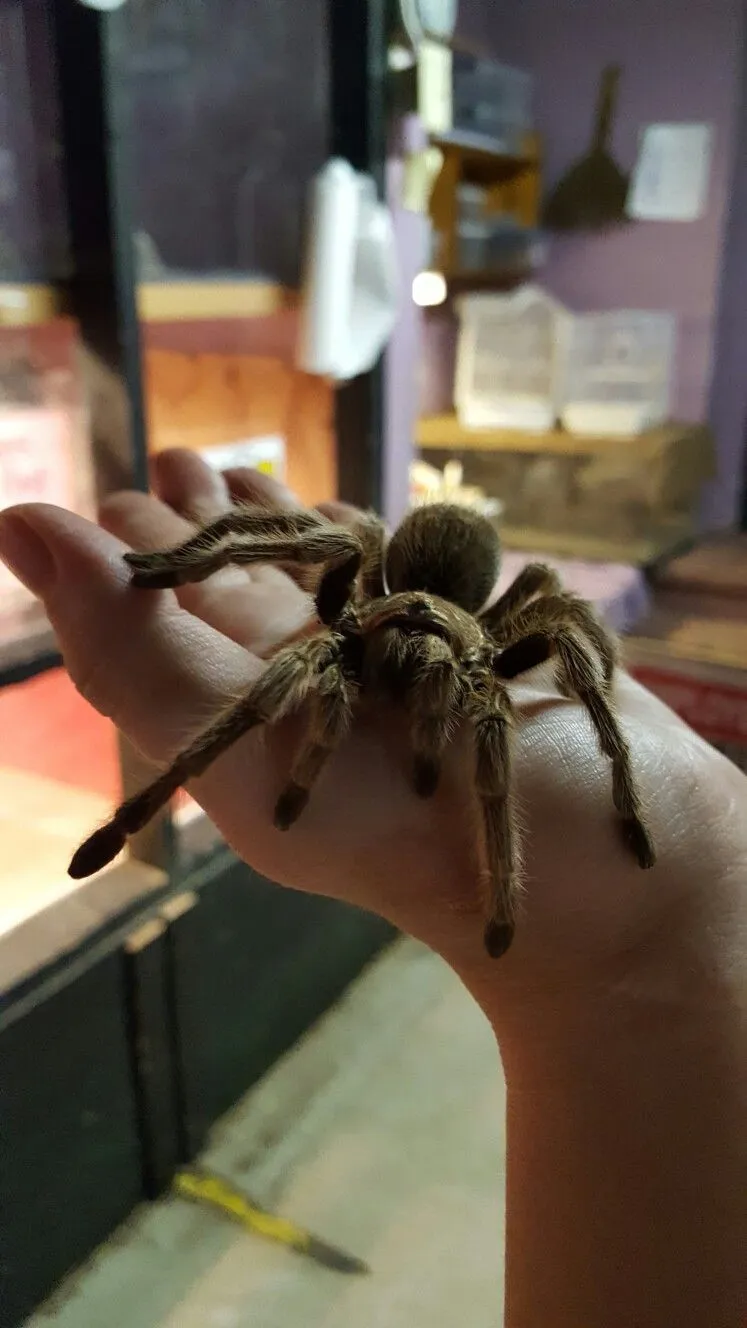
Understanding the Rose Hair Tarantula
The Rose Hair Tarantula, scientifically known as Grammostola rosea, is a popular choice for beginner tarantula keepers due to its docile nature, relatively low maintenance, and beautiful appearance. Originating from the arid regions of Chile, Bolivia, and Argentina, these spiders have adapted to survive in diverse environments, making them resilient pets. Before bringing a Rose Hair Tarantula home, it is crucial to understand its basic needs, including habitat, feeding, and handling. This comprehensive guide will provide you with all the necessary information to ensure your tarantula thrives.
What is a Rose Hair Tarantula
Rose Hair Tarantulas are known for their distinctive appearance. They typically have a dark brown or black body with reddish hairs covering their legs and abdomen, which gives them their common name. They are medium-sized tarantulas, with females reaching a leg span of up to 5-6 inches, while males are generally smaller. These tarantulas are terrestrial, meaning they spend most of their time on the ground. Their calm temperament and relatively slow movements make them relatively easy to observe and care for, making them a great first pet for someone new to the hobby. However, responsible ownership is essential.
Origin and Habitat of Rose Hair Tarantulas

In their natural habitat, Rose Hair Tarantulas live in burrows or under rocks and logs to escape the intense sun and predators. They are well-adapted to arid climates, with temperatures ranging from moderate to hot. Understanding their natural environment is crucial for providing a suitable habitat in captivity. Replicating the conditions of their native environment will ensure your tarantula feels secure and reduces stress, which is key to their overall health and longevity. The best practice is to research their origin thoroughly before starting with keeping one.
Lifespan of Rose Hair Tarantulas
One of the most appealing aspects of owning a Rose Hair Tarantula is its longevity. Female Rose Hair Tarantulas can live for an impressive 20-25 years or even longer, making them a long-term commitment. Male Rose Hair Tarantulas, on the other hand, have a much shorter lifespan, typically only living for 5-10 years. This difference in lifespan is due to the biological differences between males and females. Consider the commitment required before acquiring one of these fascinating creatures. Proper care plays a pivotal role in maximizing a tarantula’s lifespan, so providing the correct habitat and nutrition will help it thrive.
Creating the Perfect Rose Hair Tarantula Habitat
Creating the right habitat is crucial for your Rose Hair Tarantula’s well-being. The enclosure should provide a safe and secure environment that mimics the tarantula’s natural habitat. The setup should include the correct substrate, temperature, humidity, and hiding places. A well-designed enclosure will minimize stress and encourage natural behaviors, allowing your tarantula to live a long and healthy life. Ensure that your setup is appropriate for the spider’s size and provides ample space for movement. Proper preparation will help it to thrive.
Choosing the Right Enclosure
The enclosure should be appropriately sized for your tarantula. A good rule of thumb is to choose a terrarium that is at least three times the tarantula’s leg span in width. The height of the enclosure does not need to be very tall, as Rose Hair Tarantulas are terrestrial and do not typically climb. Glass or clear plastic enclosures are ideal because they allow for easy viewing. Ensure the enclosure has a secure lid to prevent escape and proper ventilation to maintain air quality and prevent mold growth. Regular observation of the enclosure can help you identify potential issues early on, thus ensuring the safety of your pet.
Substrate Selection
The substrate is the bedding material that covers the bottom of the enclosure. It provides a comfortable surface for the tarantula to walk on and can also help to regulate humidity. Good substrate choices for Rose Hair Tarantulas include a mix of coconut fiber, peat moss, and a small amount of vermiculite. The substrate should be deep enough for the tarantula to burrow if it chooses. Avoid using substrates like sand or gravel, as these can be difficult for the tarantula to navigate and may pose a health risk. Regular substrate changes are necessary to maintain a clean and healthy environment.
Temperature and Humidity Control
Rose Hair Tarantulas thrive in a temperature range of 75-85°F (24-29°C). A heat source, such as a low-wattage heat lamp or a heat mat placed on the side of the enclosure, can be used to maintain the correct temperature. Avoid placing the heat source directly under the enclosure, as this can overheat the substrate. Humidity levels should be kept between 60-70%. This can be achieved by misting the enclosure with dechlorinated water once or twice a week. Ensure the enclosure has good ventilation to prevent mold growth. Use a hygrometer to monitor the humidity levels and make adjustments as needed. Consistent temperature and humidity are vital for the tarantula’s health.
Essential Equipment for a Healthy Habitat
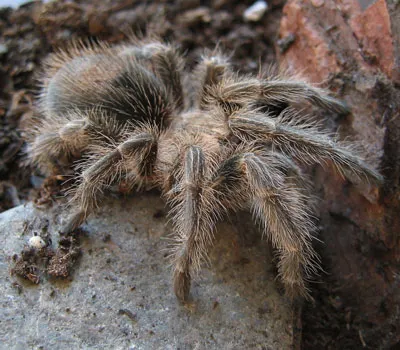
In addition to the enclosure and substrate, several other items are essential for your Rose Hair Tarantula’s habitat. A shallow water dish is necessary to provide fresh water at all times. Artificial or natural hiding places, such as cork bark or a half-log, are essential for the tarantula to feel secure. A thermometer and hygrometer are crucial for monitoring the temperature and humidity levels. Also, consider using a small, sturdy feeding dish to help prevent food items from escaping and to make cleaning easier. The right equipment ensures your pet’s environment is both functional and enriching.
Feeding Your Rose Hair Tarantula
Feeding your Rose Hair Tarantula is a straightforward process, but it is essential to do it correctly to ensure your pet remains healthy. These tarantulas are voracious eaters, but they do not require frequent meals. Providing the right food and feeding schedule will help them thrive. Understanding their dietary needs and adjusting your approach as needed will ensure they get the proper nutrition. Always observe your tarantula’s feeding habits and adjust accordingly.
What to Feed a Rose Hair Tarantula
The primary diet for Rose Hair Tarantulas consists of insects. Crickets, mealworms, and roaches are popular choices. It is best to gut-load the insects with nutritious food, such as vegetables and commercial insect food, before feeding them to your tarantula. This ensures your tarantula receives essential nutrients. Avoid feeding your tarantula wild-caught insects, as they may carry parasites or pesticides. Offer a variety of insects to provide a balanced diet. Occasionally, you can offer pre-killed pinky mice to adult tarantulas as a treat, but this should not be a regular part of their diet.
Feeding Frequency and Portion Size

The feeding frequency depends on the tarantula’s age. Spiderlings and juvenile tarantulas should be fed more frequently, usually every 2-3 days. Adult Rose Hair Tarantulas can be fed once or twice a week. The portion size should be appropriate for the tarantula’s size. A good rule of thumb is to offer one or two insects that are about the same size as the tarantula’s abdomen. Remove any uneaten food within 24 hours to prevent the build-up of mold and bacteria. Adjust the feeding schedule based on your tarantula’s eating habits and growth.
Providing Fresh Water
Fresh, clean water is essential for your Rose Hair Tarantula’s survival. Always provide a shallow water dish with fresh, dechlorinated water. The water dish should be small enough that the tarantula cannot fall in and drown. Regularly check the water dish and refill it as needed, ensuring it remains clean. You can also mist the enclosure lightly with water, especially during molting. This aids in humidity and helps the tarantula shed its skin properly.
Handling and Safety Tips for Rose Hair Tarantulas
While Rose Hair Tarantulas are generally docile, handling them should be approached with caution and respect. These tarantulas are not typically aggressive, but they may bite if they feel threatened. Proper handling techniques and precautions will help you minimize the risk of bites and ensure the tarantula’s well-being. Knowing how to interact with your pet safely is key to developing a positive experience. Safety is crucial for both you and the tarantula.
Safe Handling Practices

Handling your Rose Hair Tarantula should be done only when necessary, such as for enclosure cleaning or health checks. When handling, be gentle and avoid sudden movements that could startle the tarantula. Allow the tarantula to walk onto your hand rather than trying to grab it. Always handle the tarantula over a soft surface, such as a bed or a carpeted area, to minimize the risk if it falls. Avoid handling your tarantula after it has eaten, as it may be more defensive. Wash your hands thoroughly before and after handling your tarantula.
Recognizing Signs of Stress or Illness
It’s essential to be able to recognize signs of stress or illness in your Rose Hair Tarantula. These signs can include loss of appetite, lethargy, lack of coordination, or unusual behavior. If your tarantula refuses to eat for an extended period, it may be due to stress or illness. Other signs include a swollen abdomen, which could indicate a parasitic infection, or a lack of coordination during movement. If you observe any of these signs, consult with a veterinarian experienced with tarantulas to determine the cause and appropriate treatment. Prompt action can improve the outcome.
Common Health Issues
While Rose Hair Tarantulas are generally hardy, they can be susceptible to certain health issues. Dehydration is a common problem, often caused by low humidity or insufficient access to water. Mites can also infest tarantulas, causing irritation and stress. Respiratory infections can occur if the humidity is too high, leading to difficulty breathing. Molting issues, such as the tarantula being unable to shed its skin properly, can also occur. Regular observation of your tarantula and its habitat will help you identify and address any health issues promptly. Maintain optimal environmental conditions to prevent many of these issues.
Grooming and Cleaning the Habitat
Maintaining a clean habitat is essential for the health and well-being of your Rose Hair Tarantula. Regular cleaning prevents the build-up of waste, mold, and bacteria, which can cause health problems. A well-maintained enclosure also creates a more pleasant environment for both you and your pet. Following a cleaning schedule will help you keep the enclosure in optimal condition. Proper hygiene practices are critical for long-term pet care.
Cleaning Schedule
A regular cleaning schedule is necessary to keep your tarantula’s habitat clean. Spot clean the enclosure at least once a week, removing any uneaten food, fecal matter, and dead insects. A full substrate change should be performed every 6-12 months, depending on the enclosure size and the amount of waste. This involves removing the old substrate, cleaning the enclosure thoroughly with warm water (avoiding harsh chemicals), and replacing it with fresh substrate. Regular cleaning is crucial for preventing health problems and promoting a healthy environment for your tarantula.
Substrate Replacement
Replacing the substrate is a crucial part of maintaining a healthy habitat. When replacing the substrate, remove the tarantula from the enclosure carefully. Then, dispose of the old substrate. Clean the enclosure thoroughly with warm water, ensuring all waste and debris are removed. Allow the enclosure to dry completely before adding fresh substrate. When placing the tarantula back into the enclosure, ensure the new substrate is at the correct depth and that any decorations, such as hiding places, are put back in place. Regular substrate replacement minimizes the risk of bacterial growth and promotes a healthy environment.
Maintaining Proper Hygiene
Maintaining proper hygiene is essential for preventing illness and promoting the overall health of your Rose Hair Tarantula. Always wash your hands thoroughly before and after handling the tarantula or working in its enclosure. Use only dechlorinated water for misting and in the water dish. Avoid using harsh chemicals or cleaning agents when cleaning the enclosure, as these can be toxic to tarantulas. Regularly inspect the enclosure for signs of mold or mildew, and address any issues promptly. Proper hygiene practices will help keep your tarantula healthy and your home clean.