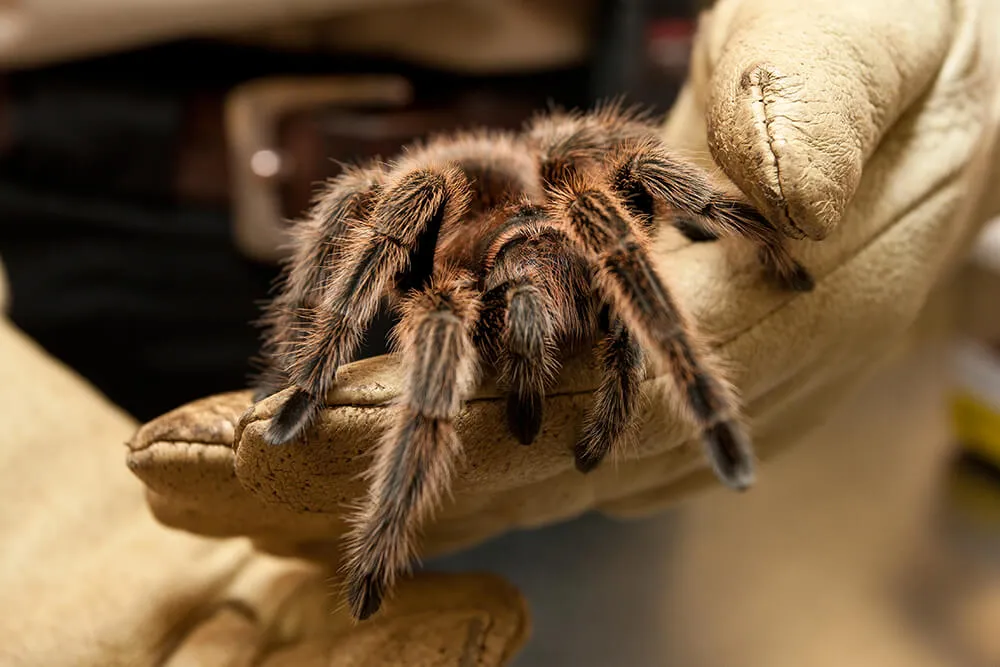
Tarantula Birth A Fascinating Overview
The birth of a tarantula is a remarkable process, a testament to nature’s intricate designs. From the elaborate mating rituals to the emergence of tiny spiderlings, every stage is filled with fascinating details. Understanding the journey of a tarantula from egg to adult is crucial to appreciating these incredible creatures. This article explores the key stages in tarantula reproduction, shedding light on the unique behaviors and biological processes involved in their birth. Discover how tarantulas begin their lives and the challenges they face from the moment they hatch, ensuring their survival in the wild. This information provides an insight into the world of arachnids, revealing the complexity and beauty of the tarantula’s life cycle.
The Mating Ritual
Mating is a crucial first step in the tarantula birth process. Male tarantulas must undertake a perilous journey to find a receptive female. Upon finding a potential mate, males engage in a series of courtship displays. This often involves tapping or vibrating their bodies, as a way to communicate their intentions without being mistaken for prey. The male must delicately approach the female and insert sperm-filled pedipalps into her epigastric furrow, a special structure on the female’s abdomen. The process is fraught with danger, as the female can sometimes mistake the male for a meal. The male’s survival depends on his agility and the female’s receptiveness, a critical component of ensuring the continuation of the species.
Male Tarantula’s Role

The male tarantula’s role primarily revolves around the transfer of sperm. Before seeking a mate, the male spins a sperm web, deposits his sperm on it, and then loads it into his pedipalps. During mating, he uses these pedipalps to transfer the sperm to the female. After this, the male’s role is largely complete. Often, the male tarantula will attempt a hasty retreat after mating, as he risks becoming a meal for the female. Some species have evolved behaviors and physical traits to enhance their chances of survival during and after mating, increasing the likelihood of passing on their genes to the next generation.
Female Tarantula’s Role
The female tarantula is the primary caretaker for the eggs and spiderlings. She stores the sperm received from the male and fertilizes her eggs internally. After fertilization, the female begins the process of egg sac creation. The female provides a safe environment for the developing eggs, and she plays a critical role in ensuring the survival of her offspring. The female’s health and condition greatly influence the number and viability of the eggs. Her behavior, including her feeding habits and defensive instincts, directly impact the survival rate of her offspring during the vulnerable early stages of their lives.
Egg Sac Creation
After mating and internal fertilization, the female tarantula creates an egg sac. She spins a silken sac and deposits her fertilized eggs inside. The number of eggs can vary significantly depending on the species, the female’s health, and environmental conditions, with some species producing hundreds or even thousands of eggs. The female carefully seals the egg sac, providing protection from the environment and predators. The egg sac is a marvel of nature’s engineering, offering a controlled environment for the developing embryos, maintaining temperature and humidity levels ideal for growth.
Incubation Period and Conditions

The incubation period for tarantula eggs varies, typically lasting from several weeks to a few months, depending on the species and environmental factors. During this time, the female carefully guards the egg sac, often carrying it with her, or placing it in a secure location. The eggs develop within the safety of the sac, undergoing several stages of development before hatching into spiderlings. The female’s behavior is crucial during this time, protecting the eggs from external threats and ensuring the best conditions for the developing embryos.
Factors Influencing Incubation
Several factors influence the success of incubation. These include the temperature, humidity, and the overall health of the female. Stable environmental conditions are essential for proper embryonic development. Extreme temperatures or fluctuations can be detrimental to the eggs. The female’s diet and health play a crucial role, providing the necessary resources for the eggs to develop. Any disturbance, such as environmental changes or predator interference, can also affect the incubation period and the viability of the eggs, leading to the loss of the clutch.
Ideal Temperature and Humidity
Maintaining the correct temperature and humidity levels is vital for successful incubation. Most tarantula species thrive in warm, humid environments. The specific requirements vary, but generally, temperatures between 75 to 85 degrees Fahrenheit (24 to 29 degrees Celsius) and humidity levels between 60 to 80% are ideal. The female tarantula often seeks out or creates microclimates to optimize these conditions. Careful monitoring and adjustments of these parameters are critical for breeders, ensuring the eggs hatch successfully, and the resulting spiderlings are healthy and robust.
Spiderlings Emergence

After the incubation period, the spiderlings, or baby tarantulas, emerge from their eggs. At this stage, they are still very vulnerable and rely heavily on their mother for protection and care. The spiderlings are miniature versions of the adult tarantula, and they begin to develop their own behaviors, such as hunting and molting. The initial emergence is a critical moment. The spiderlings start to disperse, often near their mother. This begins the crucial phase of establishing their independence and surviving the perils of their environment, requiring them to quickly develop survival strategies.
Initial Spiderling Behavior
Newly hatched spiderlings exhibit several key behaviors. They start to explore their surroundings and begin to hunt small prey, usually fruit flies or pinhead crickets. They are also highly susceptible to dehydration and require a humid environment to survive. Spiderlings often stay close to their mother for a short time, benefiting from her protection. They are particularly vulnerable during their first few molts, which require a moist environment and ample space. The initial behaviors of the spiderlings are designed for immediate survival, ensuring they adapt to their environment and thrive.
Feeding and Molting
Spiderlings must eat frequently to grow and molt. Molting is the process by which tarantulas shed their exoskeletons to grow larger. During molting, the spiderlings are extremely vulnerable. They seek out a safe location and remain motionless while their new exoskeleton forms. The frequency of molting decreases as the tarantulas mature. Each molt brings about significant growth and is accompanied by changes in the spiderling’s appearance and behavior. Regular feeding is critical to provide the necessary energy for growth and molting, ensuring the spiderlings reach adulthood.
Early Life Challenges

The early life of a tarantula is fraught with challenges. Spiderlings face threats from predators, limited food availability, and environmental hazards. Their small size makes them vulnerable to a variety of dangers. Competition for resources, such as food and shelter, further increases the pressure on survival. The spiderlings must navigate these challenges while growing and developing, constantly adapting to their surroundings. Despite these challenges, a small percentage of spiderlings will successfully reach maturity.
Predators and Threats
Spiderlings are prey for many animals. Birds, lizards, and other arthropods pose constant threats. Additionally, the environment itself can be dangerous. Extreme weather conditions, such as droughts and floods, can be devastating to young tarantulas. Disease and parasites also represent a threat to survival. The spiderlings must develop strategies to avoid these dangers. The ability to quickly find shelter and to remain hidden are vital survival traits. The development of defense mechanisms, such as urticating hairs, also aids in their protection from potential predators.
Survival Strategies
To survive, spiderlings employ a variety of strategies. They often hide in burrows or under rocks during the day, venturing out only at night to hunt. Camouflage is another important survival tactic, allowing them to blend in with their surroundings. They also possess a remarkable ability to regenerate lost limbs, helping them recover from injuries sustained during encounters with predators. The constant vigilance, adaptability, and resilience of the spiderlings are key to their survival. Successful spiderlings develop a complex understanding of their environment. These strategies greatly enhance their ability to overcome the dangers of their world.
Reaching Maturity

The journey to adulthood is long and arduous. The tarantulas must survive numerous molts and overcome numerous challenges. Maturity marks the beginning of their reproductive phase, a critical step in continuing the species. The time it takes to reach maturity varies greatly depending on the species, with some taking a few years and others taking a decade or more. Once mature, tarantulas begin the mating process. Reaching maturity is a significant milestone in the life cycle of a tarantula. This is a testament to their resilience and adaptability.
Molting Process
Molting is a crucial part of a tarantula’s growth, involving the shedding of their exoskeleton to allow for growth. The process is complex and energy-intensive. The tarantula creates a new exoskeleton underneath the old one. During molting, the tarantula lies on its back, and its old exoskeleton splits open. The tarantula then slowly extracts itself from the old shell. This process takes several hours and leaves the tarantula extremely vulnerable to predators. The new exoskeleton is soft and pliable, gradually hardening over several days. Molting is a vital process for tarantulas, allowing them to grow and regenerate lost limbs.
Lifespan and Reproduction
Tarantulas have varying lifespans. Males often have shorter lifespans, usually only living for a few years after reaching maturity. Females, on the other hand, can live for decades, with some species living for more than 20 years in the wild. The reproductive process involves the male transferring sperm to the female. After mating, the female produces an egg sac containing hundreds or even thousands of eggs. The female diligently cares for the egg sac until the spiderlings hatch. The reproductive cycle ensures that tarantula populations continue, maintaining these amazing creatures for generations.