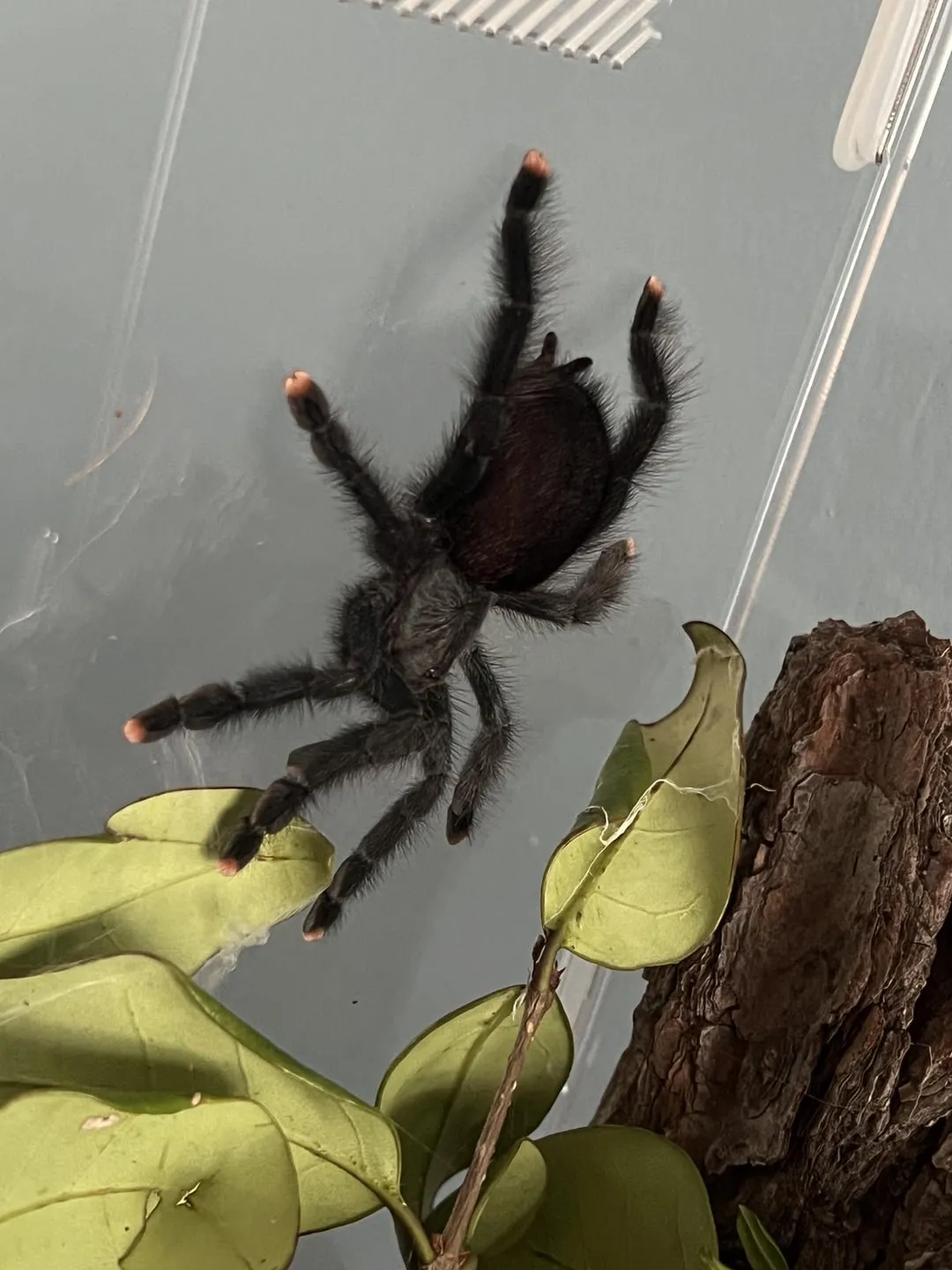
What Causes Tarantula Abdomen Shrinking?
Tarantula abdomen shrinking is a concerning issue for any tarantula owner. It’s a visible sign that something isn’t right with your pet spider. Several factors can lead to this condition, but the most common culprits are dehydration and problems related to the molting process. Understanding the causes is crucial to properly addressing the problem and ensuring your tarantula’s health and longevity. The shrinking of the abdomen often indicates that the tarantula is losing fluids or experiencing issues with its internal systems. Addressing the underlying cause promptly can make a significant difference in the tarantula’s recovery and well-being. The abdomen, or opisthosoma, is where the tarantula stores its vital organs and nutrients, so any change in its size can be a red flag.
Dehydration Leading to Shrinking Abdomen
Dehydration is the primary cause of a shrinking abdomen in tarantulas. Tarantulas, like all living creatures, require a constant supply of water to function correctly. When a tarantula doesn’t receive enough water, its body will start to deplete its fluid reserves, causing the abdomen to shrink and potentially leading to severe health complications. The environment in which the tarantula lives plays a significant role in its hydration levels. Dry habitats, insufficient water sources, and poor ventilation can all contribute to dehydration. Monitoring your tarantula’s water intake and its overall environment can help prevent this common problem, ensuring that the tarantula can maintain a healthy abdomen.
Signs of Dehydration in Tarantulas

Recognizing the signs of dehydration is critical for early intervention. Aside from the shrinking abdomen, dehydrated tarantulas often exhibit several other symptoms. These can include lethargy, loss of appetite, and a wrinkled or shriveled appearance of the abdomen. The tarantula may also be less active than usual, spending more time hiding or in a stationary position. Sometimes, the tarantula’s fangs might appear dry or shrunken. Promptly identifying these signs can help you take the necessary steps to rehydrate your tarantula and prevent further health issues. Remember that early detection and treatment are key to a successful recovery for a dehydrated tarantula, potentially avoiding more serious health complications.
Recognizing a Dehydrated Tarantula
To recognize a dehydrated tarantula, pay close attention to its behavior and physical appearance. A dehydrated tarantula may have a wrinkled abdomen, which is a clear sign of fluid loss. It may also display reduced activity levels and a lack of interest in food. If you gently attempt to lift the tarantula, its movements might seem sluggish or uncoordinated. Moreover, its fangs might appear dry or shrunken, and it may retreat to a secluded spot in the enclosure. By observing these visual and behavioral cues, you can quickly assess the tarantula’s hydration status and take corrective measures. Early intervention, such as providing access to water and increasing the humidity in the enclosure, can significantly improve the tarantula’s chances of recovery. The image of a dehydrated tarantula provides a visual comparison to a healthy one.
Importance of Water Bowls for Tarantulas
Providing a constant and accessible water source is paramount for maintaining your tarantula’s hydration. A shallow water bowl is essential. Ensure the water bowl is appropriately sized for your tarantula, preventing it from being a drowning hazard. The water bowl should be easily accessible within the enclosure and placed in a location where the tarantula can comfortably drink. The water bowl’s placement is crucial; it shouldn’t be located near the heat source. Regularly checking and refilling the water bowl is necessary to guarantee your tarantula has access to fresh, clean water. A clean and available water source significantly minimizes the risk of dehydration and promotes your tarantula’s overall well-being.
How to Refill Water Bowls

Refilling your tarantula’s water bowl is a simple but crucial aspect of its care. Always use fresh, dechlorinated water. Tap water often contains chlorine and other chemicals that can harm your tarantula. Gently remove the water bowl from the enclosure and rinse it thoroughly to remove any debris or buildup. Replace the old water with fresh water, ensuring the bowl is not overflowing. Reintroduce the water bowl to the enclosure in its original location, or another convenient place. It’s recommended to monitor the water level daily and refill it as needed. Regularly cleaning the water bowl prevents the growth of harmful bacteria and keeps the water fresh. This practice is vital in maintaining your tarantula’s hydration.
Other Causes of Tarantula Abdomen Shrinking
While dehydration is the primary cause of a shrinking abdomen, other factors can contribute to this issue. Molting problems and internal parasitic infections or health problems can also cause the abdomen to shrink. These less common causes require different approaches to diagnosis and treatment, emphasizing the importance of understanding all the potential reasons for the condition. Recognizing these alternative causes is critical for ensuring your tarantula receives proper care. If the shrinking abdomen persists despite adequate hydration and care, it’s essential to investigate these alternative possibilities with the help of a veterinarian. The shrinking abdomen is a symptom; understanding the underlying cause is essential to a healthy tarantula.
Molting Problems and Shrinking
Molting, or shedding their exoskeleton, is a natural process for tarantulas. However, problems during molting can sometimes lead to a shrinking abdomen. If a tarantula has difficulty shedding its old exoskeleton, the process can be stressful and may impact its overall health. Poor molting conditions, such as insufficient humidity or difficulty turning over, can lead to these problems. In some cases, the tarantula may become stuck in its old skin, leading to a shrinking abdomen. Ensuring that the environmental conditions and the tarantula’s habitat are optimal during this time is essential to reduce the risk of molting issues. The tarantula must be able to molt successfully to avoid issues.
The Molting Process Explained
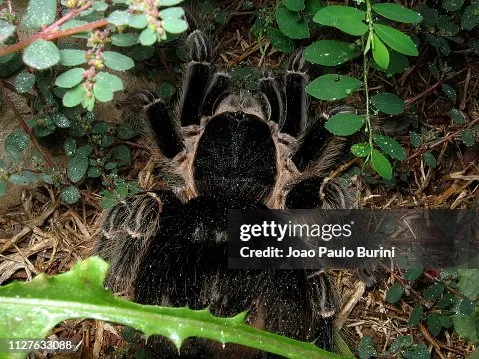
Molting is an essential process where tarantulas shed their old exoskeleton to grow. Before molting, a tarantula might stop eating and become less active, indicating it is preparing for the process. The tarantula typically lays on its back and wriggles out of its old skin. The molting process is physically exhausting for the tarantula. After molting, the new exoskeleton is initially soft and vulnerable, requiring several days for the new skin to harden. Avoid disturbing the tarantula during this period; do not handle your tarantula until its exoskeleton has fully hardened. Adequate humidity is also vital during molting. The illustration of the molting process assists in understanding the delicate changes of a tarantula.
Identifying a Molting Tarantula
Recognizing the signs that your tarantula is about to molt is important for its care. The tarantula may stop eating, lose its appetite, and become less active. The abdomen often darkens, and the tarantula may show a bald patch on its abdomen. Before molting, the tarantula will typically create a silken mat in its enclosure. Avoid disturbing your tarantula during the molting process. Ensure humidity levels are correct. Once the molt is complete, be sure to give your tarantula time to harden, and do not offer food until its fangs have hardened. Knowing when the tarantula is molting makes it easier to keep it safe during the molting process.
Parasites and Internal Issues
Parasites and internal health issues are less common, but can contribute to abdomen shrinking. Internal parasites, such as nematodes or mites, can impact the tarantula’s ability to absorb nutrients and maintain a healthy abdomen. Other health problems, such as tumors or infections, can also cause changes in the tarantula’s abdomen. If dehydration and molting issues have been addressed, and the shrinking persists, these possibilities should be considered. In such cases, a veterinary examination is crucial for a correct diagnosis and appropriate treatment. The image shows a veterinarian examining a tarantula.
Treating Parasites in Tarantulas

The treatment for parasites in tarantulas requires the help of a veterinarian. Diagnosis typically involves microscopic examination of fecal samples. The vet will determine the type of parasite and prescribe the appropriate medication. Administering the medication to a tarantula can be challenging. Often, the medication is introduced through the tarantula’s food or directly via oral administration using a syringe. During treatment, it is important to maintain the tarantula’s environment, ensuring it remains clean and hygienic. After completing the prescribed medication, the tarantula must be re-examined to ensure the parasite is completely eradicated. It is crucial to seek immediate help from an expert in these situations.
How to Fix a Shrinking Tarantula Abdomen
If you notice that your tarantula’s abdomen is shrinking, swift and decisive action is vital. The first step is always to assess the hydration status. Provide access to fresh water in a shallow bowl and assess the humidity of the environment. For most cases, adjusting environmental conditions and offering ample water will be sufficient to rehydrate the tarantula. If the problem persists, seek the advice of an experienced arachnid veterinarian to rule out other potential causes, such as parasites or internal issues. Early and accurate intervention is often necessary to ensure the tarantula returns to its optimal health. The image shows a hydration chamber.
Rehydration Techniques for Tarantulas
Rehydration techniques depend on the severity of the dehydration. Providing a water source is always the first step. If the tarantula seems severely dehydrated, you can use more aggressive techniques. For example, you can drip water onto the tarantula’s fangs. Another effective method involves creating a humid environment by misting the enclosure and increasing the substrate’s moisture. In extreme cases, a veterinarian may administer fluids directly. It is essential to monitor your tarantula closely during rehydration. Observe its behavior and physical condition daily. A gradual rehydration approach is preferable to avoid shocking the tarantula’s system. If rehydration does not improve the condition, seek the advice of a veterinarian.
Increasing Humidity to Help Hydration

Increasing the humidity in the enclosure is critical. You can achieve this by misting the enclosure with dechlorinated water, particularly along the sides of the enclosure. The use of a hygrometer can help you to precisely control the humidity levels. Adjust the ventilation of the enclosure. Ensure that there is enough ventilation to prevent mold and mildew. The substrate also plays an essential role in maintaining humidity levels. Choose a substrate that retains moisture well. Replace the substrate regularly to maintain the humidity levels. When increasing humidity, it is essential to monitor the enclosure to prevent excessive dampness, which could lead to health problems. By controlling humidity levels, your tarantula’s health improves.
Using a Hydration Chamber
A hydration chamber is a controlled environment designed to help a tarantula recover from dehydration. A simple hydration chamber can be made using a small container with a lid, such as a deli cup. Line the bottom with a damp substrate, like vermiculite or sphagnum moss, to create a humid environment. Place the tarantula in the chamber. Ensure the chamber is well-ventilated. Keep the tarantula in the chamber for a short period. You must carefully monitor the tarantula during this time. If there is no change, repeat the process. The hydration chamber provides a safe space, improving the tarantula’s health. The image shows an example of a hydration chamber.
Feeding and Dietary Adjustments
Proper nutrition plays a vital role in rehydrating a tarantula. Offering the tarantula insects that are properly hydrated helps. Ensure that the feeder insects are well-fed and gut-loaded with nutritious food before offering them to your tarantula. Avoid overfeeding the tarantula, especially if it is dehydrated. Overfeeding can put extra strain on its system and prevent it from fully recovering. If the tarantula is refusing food, you can try gently offering a small, juicy piece of the insect. Do not handle the tarantula while feeding. Observe its feeding behavior and monitor its appetite as it recovers. With a return to health comes renewed feeding behavior. Image of a tarantula about to feed.
Preventative Measures for a Healthy Tarantula

Preventing the shrinking of the abdomen involves adopting proactive strategies to maintain your tarantula’s overall health. By focusing on preventative measures, you can minimize the risk of dehydration and other health issues. Providing a suitable habitat, regular monitoring, and ensuring an adequate water supply will significantly reduce the chances of your tarantula experiencing a shrinking abdomen. Always prioritize prevention by ensuring the best care practices. A healthy tarantula is a happy tarantula.
Providing a Suitable Habitat
The habitat should match the tarantula’s species requirements. Ensure the enclosure is of an adequate size. Provide a substrate that retains moisture. Offer hiding places, such as cork bark or artificial plants, to provide security and a safe place to hide. Choose a well-ventilated enclosure. Regularly clean the enclosure. A properly designed habitat reduces the risk of dehydration. Remember to avoid over-decorating the enclosure to give the tarantula plenty of space. Creating a suitable habitat for your tarantula creates a better life.
Regular Monitoring of Tarantula Health
Regular monitoring is critical to detect any health issues. Check the tarantula daily for any signs of dehydration, lethargy, or abnormal behavior. Pay attention to its feeding habits. Examine its abdomen regularly, looking for any shrinkage or other changes. Keep an eye on the water bowl to ensure it is always filled and the water is clean. Regularly inspect the enclosure to ensure conditions are appropriate for the tarantula’s needs. Early detection of any problems allows you to take swift action. Regular health checks help catch potential problems early.
When to Consult a Veterinarian

Knowing when to seek professional medical advice is essential. If the shrinking abdomen persists despite your efforts to provide proper care, or if the tarantula exhibits other concerning symptoms, consult a veterinarian experienced with arachnids. Symptoms include unusual lethargy, lack of appetite, difficulty molting, or any physical abnormalities. The veterinarian can diagnose the underlying problem. Early veterinary intervention can often make the difference between recovery and serious health problems. Be prepared to provide a detailed history of the tarantula’s care, including environmental conditions and diet. The image shows a veterinarian checking a tarantula.