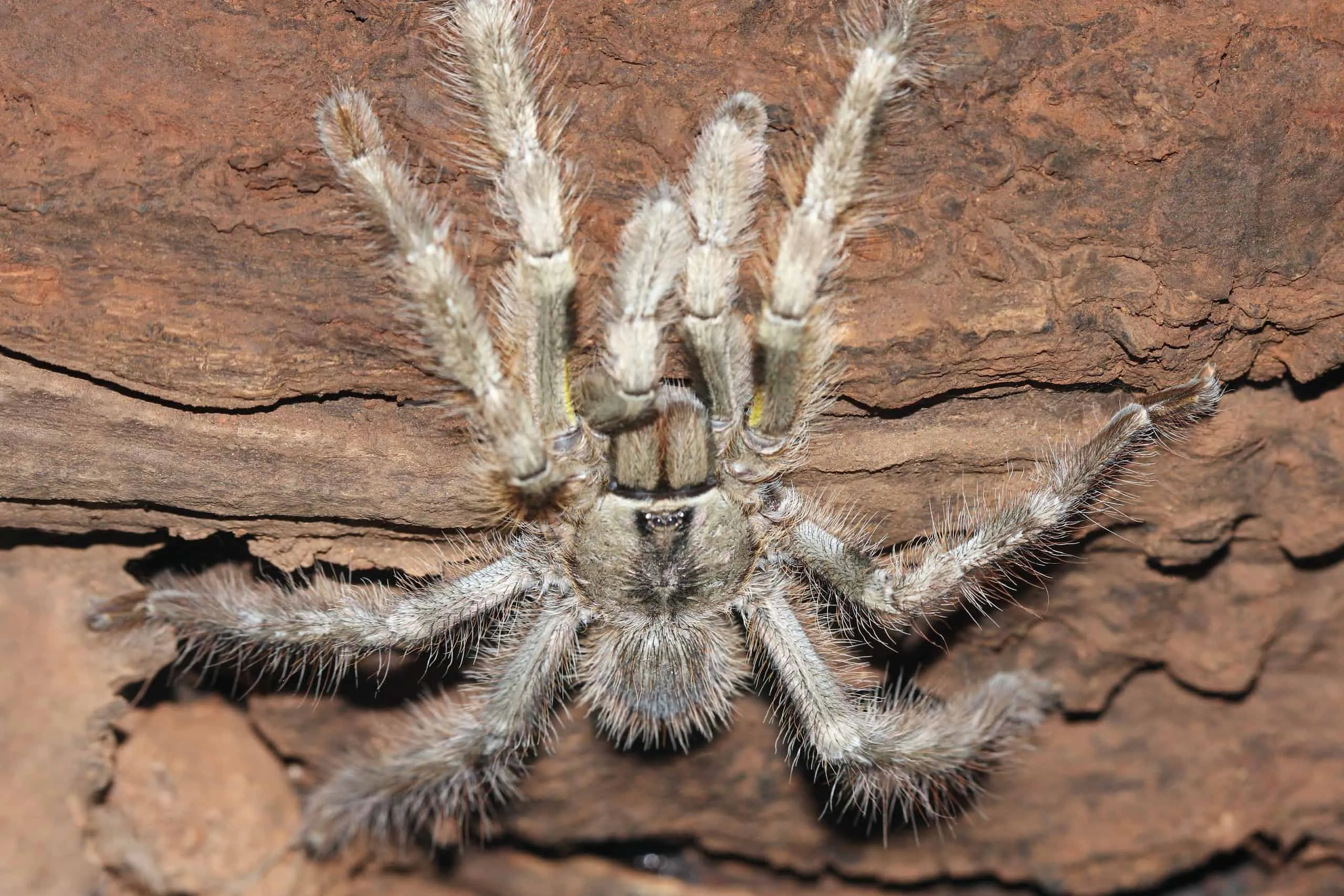
Tarantula Air Survival Top 5 Facts
Tarantulas, fascinating creatures of the arachnid world, have captivated humans for centuries. Their unique biology and survival mechanisms make them intriguing subjects of study. One crucial aspect of their survival is their ability to cope with air deprivation. This article delves into the top 5 facts about how long a tarantula can survive without air, exploring the respiratory system, the factors influencing their air survival, and the strategies they employ to endure challenging conditions. Understanding these facts provides a deeper appreciation for these resilient creatures and their ability to thrive in diverse environments. This knowledge is also critical for responsible pet ownership, ensuring tarantulas receive the care they need to live long, healthy lives.
The Respiratory System of a Tarantula
Tarantulas, unlike humans, possess a unique respiratory system designed for their terrestrial lifestyle. Their ability to extract oxygen from the air is fundamental to their survival. The primary organs responsible for this vital function are book lungs, which are specialized respiratory organs. These structures are crucial to their ability to survive and thrive in their environment, allowing them to extract oxygen and maintain the energy they need for various activities, from hunting prey to molting. Understanding the intricacies of this system is the first step in comprehending how long a tarantula can survive without air. Without this essential process, a tarantula’s survival is severely compromised.
How Tarantulas Breathe

Tarantulas breathe through book lungs, which are located on the underside of their abdomen. These lungs are composed of many thin, leaf-like structures that resemble the pages of a book. Air enters the book lungs through small openings called spiracles. Oxygen diffuses across the thin membranes of the book lungs into the hemolymph (the spider’s blood), which then carries oxygen to the other body tissues. Carbon dioxide, a waste product, diffuses out of the hemolymph and is expelled through the spiracles. This efficient gas exchange allows tarantulas to extract oxygen effectively from the air, supporting their metabolic needs.
The Role of Book Lungs
Book lungs are crucial for tarantulas. They maximize the surface area available for gas exchange. The numerous thin lamellae provide a large surface area where oxygen can be absorbed into the hemolymph, while carbon dioxide is released. The structure of the book lungs is a key adaptation to a terrestrial lifestyle, enabling tarantulas to survive in environments where oxygen is readily available. The efficiency of these lungs is essential for supporting their metabolic rate and activity levels. The health of the book lungs directly impacts a tarantula’s ability to withstand periods of air deprivation.
Factors Affecting Air Survival
Several factors influence how long a tarantula can survive without air. These factors can significantly alter the outcome of air deprivation, from their metabolic rate to their environment. Comprehending these factors is vital for predicting how long a tarantula might endure under specific conditions. The combined effect of these elements underscores the complexity of understanding tarantula survival and underlines the importance of providing the right environment and conditions for them to thrive, as well as the necessity of quick intervention should any respiratory distress occur.
Metabolic Rate and Air Consumption

A tarantula’s metabolic rate is directly linked to its air consumption. Metabolic rate refers to the speed at which a tarantula processes energy. A higher metabolic rate means the tarantula consumes more oxygen and produces more carbon dioxide. This is particularly true during periods of activity, such as hunting, mating, or escaping a threat. Conversely, when a tarantula is at rest, its metabolic rate decreases, reducing oxygen consumption. This difference is crucial because a lower metabolic rate can extend the time a tarantula can survive without air. Factors like temperature, activity level, and the availability of food greatly influence the tarantula’s metabolic rate and thus their air consumption.
Size and its Impact
The size of the tarantula plays a role in its ability to survive without air. Smaller tarantulas have a higher surface area-to-volume ratio than larger ones. This means that for their size, they lose heat and consume oxygen at a faster rate than larger tarantulas. As a result, smaller tarantulas tend to have a higher metabolic rate than larger ones, which means they require more oxygen. This difference in metabolic rate can affect how long they can endure without air. Larger tarantulas can generally survive longer periods of air deprivation due to their lower relative metabolic rate and greater reserves.
Environmental Conditions and Air
The environment’s conditions have a significant impact on a tarantula’s air survival. The availability of oxygen in the air, the temperature, and the humidity all play a crucial role. In environments with low oxygen levels, tarantulas may struggle. Extreme temperatures, both hot and cold, can also influence their survival by affecting their metabolic rate. High humidity can sometimes reduce the efficiency of the book lungs. In addition, the presence of toxins or pollutants in the air can further impair a tarantula’s ability to breathe. Maintaining optimal environmental conditions is essential for a tarantula’s health and for increasing its resilience to air deprivation.
Air Deprivation Limits

The amount of time a tarantula can survive without air varies widely based on many factors discussed above. These limits can be categorized into short-term and long-term deprivation. Understanding these limits is essential for providing appropriate care and addressing any potential respiratory distress. The impact of air deprivation can range from temporary distress to severe damage. Prolonged exposure to air deprivation is likely to have more serious consequences than brief interruptions in air supply. It’s important to remember that these are general estimations, and individual tarantulas may vary based on their specific circumstances.
Short-Term Air Deprivation
Short-term air deprivation refers to situations where a tarantula experiences a brief interruption in its air supply. In most instances, a tarantula can endure a short period without air. This can be due to various incidents, like being temporarily trapped or exposed to a low-oxygen environment. During this time, the tarantula will likely slow down its metabolism to conserve energy and reduce oxygen consumption. It is important to allow immediate access to fresh air, although they can survive short periods without it, but prolonged exposure can be very damaging. The precise duration of short-term survival varies based on the tarantula’s size, health, and environmental conditions.
Long-Term Air Deprivation
Long-term air deprivation involves a prolonged lack of air. It can have more severe and potentially fatal consequences for a tarantula. Exposure to a low-oxygen environment over an extended period can lead to significant damage to vital organs and affect the tarantula’s health. The exact survival time in these conditions is hard to define, but prolonged air deprivation can lead to irreversible damage. When a tarantula has undergone long-term deprivation, providing fresh air alone may not be enough to restore its health. Often, specialized care, including veterinary intervention, is crucial for survival. Prevention, by ensuring adequate air circulation and avoiding conditions that can lead to air deprivation, is therefore the most crucial strategy.
Survival Strategies of Tarantulas

Tarantulas have evolved several strategies to cope with periods of air deprivation. These survival mechanisms are essential for these creatures to persist in challenging environments and to increase their chances of survival. The strategies employed by tarantulas may range from slowing down their metabolism to seeking oxygen-rich locations. These adaptive behaviors provide a glimpse into the resilience of tarantulas. Tarantulas have developed various adaptations to manage this challenge and increase their chances of survival in environments where air is temporarily scarce.
Slowing Down Metabolism
One of the primary strategies employed by tarantulas during air deprivation is to slow down their metabolism. By reducing metabolic rate, the tarantula consumes less oxygen. This energy-saving adaptation is crucial for extending their survival time when air is limited. Tarantulas can slow their metabolism by reducing their activity levels, conserving energy and therefore consuming less oxygen. This helps the tarantula to conserve its energy and survive for a longer time without air. The ability to regulate their metabolic rate is a critical survival mechanism in challenging conditions.
Seeking Oxygen Rich Environments
Tarantulas often seek oxygen-rich environments as a survival strategy during periods of air deprivation. If possible, they will move to locations with better air circulation, where oxygen levels are higher. This behavior is instinctual and helps them to replenish their oxygen supply and avoid suffocation. Tarantulas may also try to climb to higher locations or move to areas with fewer obstructions to breathing. Recognizing and responding to changes in their environment is vital for their survival. Their instinct to find better air conditions contributes significantly to their resilience.
Impact of Air Deprivation on Health

Air deprivation can have serious health consequences for tarantulas. The impact on their health can range from physical damage to behavioral changes. The severity of the impact depends on the duration and extent of the air deprivation. The health of the tarantula may be severely affected, and it’s important to react immediately if it seems a tarantula is struggling to breathe, as these creatures can not survive for long without oxygen. Understanding these effects is crucial for providing appropriate care and intervention when necessary. The quicker the intervention, the higher the likelihood of a positive outcome.
Physical Damage and Recovery
Prolonged air deprivation can result in physical damage to a tarantula. The tissues and organs of the tarantula can suffer from oxygen deficiency. This damage can be extensive and have long-term consequences. The severity of physical damage can vary, with some tarantulas recovering and others not. Recovery may depend on the duration of the air deprivation and the overall health of the tarantula. Immediate access to fresh air is essential for recovery. The damage may affect the book lungs, their movement, and feeding. Providing the correct environmental conditions is essential for a speedy recovery.
Behavioral Changes
Air deprivation can also cause behavioral changes in tarantulas. The lack of oxygen can lead to lethargy, loss of coordination, and changes in their normal activities. Tarantulas may become less active, lose their appetite, and display signs of distress. These behavioral changes can be indicative of the tarantula’s struggle to survive. If you notice these signs, it is crucial to act immediately to resolve the situation. Restoring their normal breathing is essential to reverse these behavioral changes and allow the tarantula to recover. Prompt action is crucial for ensuring the tarantula’s well-being.
Conclusion

In conclusion, a tarantula’s ability to survive without air depends on several factors, including their respiratory system, metabolic rate, size, and environmental conditions. They have evolved unique strategies like slowing down metabolism and seeking oxygen-rich locations to cope with periods of air deprivation. However, prolonged air deprivation can result in physical damage and behavioral changes. Understanding these factors, their strategies, and the potential health effects is essential for anyone who cares for or is interested in tarantulas. Recognizing the limits of their survival and taking precautions to prevent air deprivation ensures that these fascinating creatures can thrive in their environment and in captivity.