
Tarantulas, while often kept as pets and fascinating creatures, can deliver bites. While typically not life-threatening to humans, understanding tarantula bites and knowing how to treat them effectively is crucial for anyone who owns or interacts with these spiders. This guide will provide comprehensive information on what happens when a tarantula bites, how to administer first aid, when to seek medical attention, and how to find reliable information. The goal is to equip you with the knowledge to handle such situations calmly and confidently, ensuring the best possible outcome.
Understanding Tarantula Bites
Before diving into treatment, it’s essential to grasp the basics of tarantula bites. This understanding forms the foundation for effective response and management. Unlike some venomous spiders, tarantulas do not inject a significant amount of venom during a bite, however, mechanical injury from the fangs may occur. The level of reaction can vary significantly depending on several factors, including the species of tarantula, the individual’s sensitivity, and the location of the bite. Most bites result in localized pain, redness, and swelling. However, in rare cases, more severe reactions can occur. Therefore, knowing what to expect and how to respond is extremely important.
What Happens When a Tarantula Bites?
When a tarantula bites, it uses its fangs to pierce the skin. The primary purpose of a tarantula bite is usually defensive, such as when the spider feels threatened. The fangs, which are typically quite large, penetrate the skin, causing immediate pain. Unlike some other spiders, tarantulas do not inject a large amount of venom with each bite, but the bite itself can still be painful. The venom, even in small quantities, can trigger a localized inflammatory response. The impact of the bite depends on the size of the tarantula, the location of the bite, and the individual’s sensitivity. Knowing these mechanics helps in understanding the subsequent symptoms and treatment protocols.
Symptoms of a Tarantula Bite
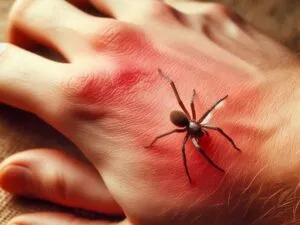
Recognizing the symptoms of a tarantula bite is crucial for prompt and appropriate care. Common symptoms typically appear quickly after the bite and are usually limited to the immediate area. The most common symptoms include localized pain, which can range from a mild sting to a more intense throbbing sensation. Redness and swelling around the bite site are also typical, as the body responds to the injury. Other symptoms may include itching, warmth, and sometimes a small amount of bleeding from the puncture wounds. In rare cases, more severe symptoms such as muscle cramps, nausea, or difficulty breathing may occur. If severe symptoms appear, seek medical help immediately. (Image: tarantula-bite-symptoms.webp)
First Aid for Tarantula Bites
Administering first aid promptly can significantly reduce the severity of a tarantula bite. Quick action can alleviate pain and prevent further complications. The goal is to minimize the immediate effects of the bite and create a safe environment while seeking medical assistance if necessary. This involves a series of straightforward steps that can be easily implemented in any situation. This section will outline the specific actions to take, the importance of wound care, and how to apply basic first aid effectively. It’s important to remain calm to provide the best care possible. (Image: first-aid-tarantula-bite.webp)
Immediate Actions to Take
The initial response to a tarantula bite involves a few critical actions. First, remove yourself from the area to avoid further bites. Ensure you are in a safe place away from the tarantula. Next, remain calm and try to assess the situation. Note the time of the bite and observe the symptoms as they develop. Clean the bite area gently with mild soap and water. This helps to remove any debris and reduce the risk of infection. If possible, elevate the affected limb to reduce swelling. These immediate steps will help in the initial management of the bite and reduce potential complications.
Cleaning the Wound

Proper wound cleaning is a cornerstone of first aid for a tarantula bite. Thorough cleaning helps prevent infections and promotes healing. Begin by gently washing the bite area with mild soap and water. Ensure you remove any debris or dirt that might be present in the wound. Rinse the area thoroughly to remove all soap residue. Gently pat the area dry with a clean cloth or sterile gauze. Avoid harsh chemicals or strong antiseptics, as these can irritate the skin. Regular cleaning, following the initial wash, is crucial to keep the wound clean and infection-free. (Image: cleaning-tarantula-bite.webp)
Applying First Aid
After cleaning the wound, apply appropriate first aid to alleviate symptoms and promote healing. Apply a cold compress or ice pack to the bite area for 10-15 minutes at a time to reduce pain and swelling. Over-the-counter pain relievers, such as ibuprofen or acetaminophen, can help manage discomfort. Keep the affected area elevated to minimize swelling. Watch for signs of infection, such as increased redness, warmth, pus, or fever. If any of these symptoms develop, seek medical attention immediately. Continued observation and appropriate first aid measures are vital for a smooth recovery.
Seeking Medical Attention
Knowing when to seek medical attention after a tarantula bite is essential for ensuring the best possible outcome. While most bites are not life-threatening, some situations warrant immediate medical care. Recognizing these situations and acting promptly can prevent complications and ensure you receive the appropriate treatment. This section will guide you on when to seek help, what to expect during a medical visit, and how to prepare for it.
When to Consult a Doctor

Although most tarantula bites result in mild symptoms, certain signs indicate that you should seek medical attention. If you experience severe symptoms, such as difficulty breathing, chest pain, or widespread swelling, seek immediate medical care. These symptoms could indicate an allergic reaction or a more serious systemic response. If the bite is on the face, neck, or genitals, medical attention is advised due to the potential for swelling that could affect breathing or other critical functions. Any signs of infection, such as increased redness, pus, fever, or worsening pain, also require medical attention. It is always best to err on the side of caution.
What to Expect at the Doctor’s Office
When you visit a doctor for a tarantula bite, be prepared for an examination and potential treatment. The doctor will examine the bite site, assess your symptoms, and inquire about the circumstances of the bite. They may ask about any allergies or pre-existing medical conditions. Treatment often involves wound cleaning, pain management, and monitoring for signs of infection. The doctor might prescribe antibiotics if an infection is suspected. In cases of severe allergic reactions, the doctor may administer antihistamines, epinephrine, or other medications. Follow all medical advice and instructions provided by your doctor to ensure proper recovery. (Image: doctor-tarantula-bite.webp)
Long-Term Care and Recovery
After the initial treatment of a tarantula bite, long-term care focuses on preventing infections, managing discomfort, and monitoring the healing process. Proper care and attention can significantly improve your recovery and minimize any lasting effects. Adhering to the advice of your healthcare provider and practicing good hygiene are critical aspects of successful long-term care. This section details essential steps to support recovery and offers strategies for managing any ongoing issues.
Preventing Infections

Preventing infection is a key part of long-term care after a tarantula bite. Keep the bite area clean and dry. Wash the wound gently with mild soap and water regularly, and pat it dry. Avoid scratching or picking at the bite site, as this can introduce bacteria and increase the risk of infection. Change any bandages or dressings as directed by your healthcare provider. Watch for signs of infection, such as increased redness, warmth, pus, or fever. If you notice any of these symptoms, seek medical attention immediately. By following these steps, you can greatly reduce the risk of infection and promote proper healing. (Image: tarantula-bite-recovery.webp)
Managing Pain and Discomfort
Managing pain and discomfort is important during the recovery period. Over-the-counter pain relievers, such as ibuprofen or acetaminophen, can help alleviate pain. Applying a cold compress to the bite area can reduce swelling and provide relief. If the pain is severe, your doctor may recommend stronger pain medication. Elevating the affected limb can also help reduce swelling and discomfort. Follow your doctor’s instructions and take the medication as prescribed. Rest is also essential for recovery, so ensure you get enough sleep and avoid activities that aggravate the pain. Remember to consult your doctor if the pain is not improving.
Where to Find Reliable Information and Support
Accessing reliable information and support is crucial for anyone dealing with tarantula bites. Having access to accurate resources empowers you to make informed decisions and manage situations effectively. Several sources can provide the necessary guidance and support. This section will highlight valuable resources and explain how to utilize them. (Image: tarantula-forum.webp)
Tarantula Bite Forums and Communities

Tarantula bite forums and online communities offer a valuable platform for information, advice, and support. These forums allow you to connect with other tarantula owners, experts, and individuals who have experienced bites. You can share experiences, ask questions, and gain insights into handling bites and their aftermath. These communities often share practical advice, treatment methods, and recommendations for further resources. Participate responsibly and always consult healthcare professionals for medical advice. Engaging in these forums is an excellent way to learn and feel supported.
Expert Advice and Resources
Beyond forums, many expert resources offer reliable information on tarantula bites. Websites of medical professionals, poison control centers, and herpetological societies provide detailed information on identification, treatment, and prevention. Consult your doctor or a qualified healthcare provider for medical advice. Local poison control centers are equipped to offer immediate guidance and support in case of emergencies. Reputable herpetological societies and educational institutions often provide comprehensive resources and expert advice on tarantulas and their bites. Using these resources, you can find accurate and trustworthy information to manage tarantula bites.
In conclusion, understanding tarantula bites is the first step toward effective treatment. By knowing the symptoms, administering prompt first aid, and recognizing when to seek medical attention, you can ensure the best possible outcome. Utilizing available resources and support, you can confidently handle tarantula bites. This knowledge is vital for anyone owning, handling, or simply being around these fascinating creatures. Always prioritize safety and seek professional medical advice when needed.