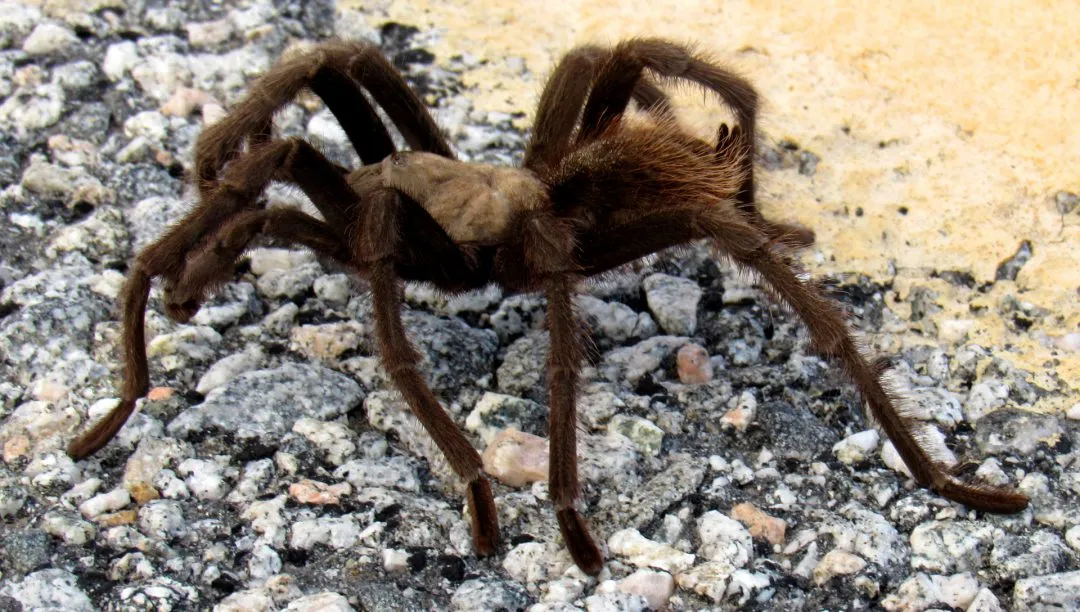
Tarantula Care: Top 5 Tips for Beginners!
Bringing a tarantula into your home can be an exciting experience, but it’s crucial to be well-prepared. These fascinating creatures require specific care to thrive, and understanding their needs is paramount to ensuring their well-being. This guide provides essential information and actionable tips to help beginners successfully care for their tarantulas. From habitat setup and feeding to health maintenance, we’ll cover everything you need to know to become a responsible and knowledgeable tarantula owner. This comprehensive guide will help you provide the best possible environment and care, ensuring your tarantula lives a long, healthy, and enriching life. Learn how to create a safe, comfortable, and stimulating environment for your new pet, and avoid common pitfalls that can affect their health and happiness. This article will equip you with the knowledge to enjoy the unique experience of tarantula ownership.
Understanding Your Tarantula’s Needs
Before acquiring a tarantula, it’s important to understand their basic needs. Tarantulas are relatively low-maintenance pets compared to many other animals, but they still require specific conditions to thrive. They are ectothermic, meaning they rely on their environment to regulate their body temperature. They also require proper humidity levels to molt successfully, which is a vital part of their growth process. Providing a suitable environment includes maintaining the correct temperature, humidity, and enclosure setup. Regular monitoring of these factors is necessary to prevent health issues and ensure your tarantula’s comfort. By understanding these foundational needs, you can create a habitat that mimics their natural environment and supports their overall well-being. Ignoring these requirements can lead to stress, health problems, and a shortened lifespan for your pet.
Choosing the Right Species

Not all tarantulas are created equal, especially regarding temperament and care requirements. Research is key before choosing a species. Some species are better suited for beginners due to their docile nature and easier care needs. Consider factors like size, growth rate, and venom potency. Popular beginner-friendly species include the Chilean Rose Hair (Grammostola rosea) and the Curly Hair tarantula (Brachypelma albopilosum) known for their calm dispositions. Avoid species known for their defensive behavior or specific environmental needs if you are new to tarantula care. Spend time learning about different species, their natural habitats, and their specific care requirements. This will help you make an informed decision and choose a tarantula that aligns with your experience level and lifestyle. Understanding the unique characteristics of each species will help you provide the best possible care and create a harmonious living environment.
Consider Size and Temperament
The size of the tarantula you choose will influence the size of its enclosure and the amount of space required in your home. Larger tarantulas need more space and potentially more substantial food sources. Consider the space you have available when making your choice. Temperament is another critical factor. Some tarantulas are more defensive and may exhibit aggressive behaviors, such as kicking hairs or biting, when feeling threatened. Beginner-friendly species typically have a more docile temperament, making them easier to handle and less likely to react defensively. Research the specific temperament of any tarantula you are considering. This information will help you assess the potential risks associated with handling and interactions. It’s always a good idea to start with a species that is known for being calm and less prone to defensive behaviors.
Research Appropriate Care Requirements
Before purchasing any tarantula, it’s essential to conduct thorough research. Learn about the specific care requirements for the species you’re interested in, which encompasses information about their preferred temperature, humidity, substrate, and feeding habits. Several online resources and books provide detailed care guides. Look to reputable breeders or experienced keepers for guidance. Understanding these requirements allows you to create a suitable habitat and offer proper care, ensuring your tarantula’s health and happiness. This initial research is an investment in your tarantula’s well-being, setting the stage for a successful and enjoyable experience. This preliminary research will help prevent common care mistakes and equip you with the knowledge to handle any challenges that may arise.
Setting Up the Ideal Tarantula Habitat

Creating the right habitat is critical for a tarantula’s well-being. A well-designed enclosure mimics the tarantula’s natural environment and provides a comfortable and safe space. The habitat should include appropriate substrate, shelter, and the right temperature and humidity levels. A suitable habitat promotes the tarantula’s natural behaviors, like burrowing and foraging, and reduces stress. An improperly setup habitat can lead to health problems, stress, and even death. It is important to select the right materials and equipment, such as a proper enclosure size, appropriate substrate, water dishes, and hiding places. Investing time and effort in setting up the perfect habitat will significantly contribute to the tarantula’s longevity and quality of life.
Selecting the Right Enclosure
The enclosure should be the appropriate size for your tarantula’s species and size. The general rule is to choose a container that is at least twice as wide as the tarantula’s leg span and twice as long. Consider the adult size of the tarantula when selecting the enclosure, to avoid having to rehouse it too frequently. A secure lid is essential to prevent escapes. The enclosure should also have adequate ventilation to maintain the correct humidity levels and prevent mold growth. Glass or clear plastic enclosures are the most popular choices as they provide good visibility and are easy to clean. Avoid enclosures with sharp edges or features that could pose a hazard. Proper enclosure selection will provide a safe and comfortable living space, promoting the tarantula’s health and well-being.
Substrate Essentials
The substrate forms the base of the tarantula’s habitat and serves multiple functions including providing a medium for burrowing and maintaining humidity. Suitable substrate options include coco fiber, peat moss, or a mix of both. Avoid substrates that can be harmful, such as sand or gravel. The substrate depth should be sufficient for burrowing species and provide adequate insulation. Make sure the substrate is clean and free from any chemicals or contaminants. Regularly monitor the substrate for mold or pests, and replace it as needed. Proper substrate choice is essential for creating a comfortable and healthy environment for your tarantula. A well-maintained substrate supports the tarantula’s natural behaviors, regulates humidity, and protects it from injury.
Temperature and Humidity Control

Maintaining the correct temperature and humidity levels is crucial for tarantula health. Most tarantulas thrive in temperatures between 75-85°F (24-29°C). Use a thermometer to monitor the temperature within the enclosure. Humidity needs vary by species, so research the specific requirements of your tarantula. Use a hygrometer to measure humidity levels. You can increase humidity by misting the enclosure with water, providing a water dish, or using a substrate that retains moisture. Avoid drastic temperature fluctuations, as these can stress your tarantula. Poor temperature or humidity control can lead to molting issues and other health problems. Regular monitoring and adjustments are vital for creating a healthy environment for your pet.
Providing Fresh Water
Always provide your tarantula with a fresh water source. A shallow water dish is a must-have. Make sure the dish is not too deep, as young tarantulas could drown. Change the water daily to prevent bacteria and mold growth. You can also use a water gel for smaller tarantulas, as this reduces the risk of drowning. The water dish should be placed in a stable location within the enclosure, and it must be easy for the tarantula to access. Regular access to clean water is vital for hydration and overall health. Make sure to regularly check the water dish for any debris or contamination.
Feeding Your Tarantula
Feeding is a core aspect of tarantula care. Understanding the right diet, frequency, and portion sizes is essential for a healthy and happy tarantula. Feeding habits change based on the tarantula’s age, species, and overall health. Offering the right food ensures they receive the necessary nutrients to grow and thrive. This section will cover everything from suitable prey choices to how often you should feed your tarantula. Knowing how to properly feed your tarantula will prevent common problems, such as overfeeding or nutritional deficiencies.
Understanding Dietary Needs

Tarantulas are primarily insectivores. Their diet consists of insects, such as crickets, mealworms, and roaches. The specific nutritional needs of tarantulas are generally met by feeding them a variety of appropriate prey items. Consider the size of the prey in relation to the size of your tarantula. The prey should be no larger than the tarantula’s abdomen. Avoid feeding prey that are too large as they may pose a risk to your tarantula. It is important to offer a varied diet to ensure your tarantula gets all the essential nutrients it needs. In addition to insects, some keepers occasionally offer pre-killed pinky mice to larger tarantulas, but this is not a necessity.
Choosing Appropriate Prey
The most common prey items include crickets, mealworms, and Dubia roaches. These are generally easy to find and offer good nutritional value. When selecting prey, consider their health and size. Ensure that the insects you are feeding are gut-loaded. This means that the insects are fed nutritious foods before being offered to your tarantula, which increases the nutritional content of the meal. Avoid using wild-caught insects as they may carry parasites or pesticides. Ensure that the prey is the appropriate size and does not pose a threat to the tarantula. A varied diet will help keep your tarantula healthy and prevent any nutritional deficiencies.
Feeding Frequency and Portion Sizes
Feeding frequency depends on your tarantula’s age and species. Spiderlings need to be fed more often than adults. A good rule of thumb is to feed spiderlings 2-3 times per week, while adults can be fed once a week or less. Observe your tarantula’s behavior to determine if they are hungry. Overfeeding can lead to obesity, while underfeeding can stunt growth. The size of the portion depends on your tarantula’s size and appetite. Feed your tarantula as many insects as it will eat in one sitting, and remove any uneaten prey after 24 hours to avoid stressing the tarantula. It’s important to adjust the feeding schedule according to your tarantula’s growth and activity levels. During molting cycles, tarantulas may refuse food.
Essential Routine Tarantula Care

Consistent care practices are necessary to keep your tarantula healthy and content. This includes regular tank maintenance, safe handling practices, and recognizing potential health issues. These routines help in preventing health problems and ensure that your tarantula enjoys a comfortable living environment. These consistent actions will help you provide a good quality of life for your pet.
Regular Tank Maintenance
Regular tank maintenance is key. Spot-clean the enclosure by removing uneaten food and waste. Replace the water dish regularly, and wipe down the sides of the enclosure as needed. Periodically replace the substrate to keep the habitat clean and free from bacteria or mold. The frequency of substrate replacement depends on the type of substrate and the size of the enclosure. Regular monitoring can help identify and address potential issues early. Tank maintenance ensures that your tarantula lives in a healthy and hygienic environment. Regular cleaning also helps you monitor the tarantula’s health and overall well-being.
Handling Your Tarantula Safely
Handling should be kept to a minimum, especially for beginners. Some tarantulas are more docile than others, but all tarantulas are capable of biting or kicking urticating hairs. If you choose to handle your tarantula, do so with caution. Always wash your hands before and after handling. Avoid sudden movements, and do not drop the tarantula. It is best to handle your tarantula near the ground or over a soft surface in case it falls. If you are bitten, remain calm and seek medical attention if necessary. Understanding your tarantula’s temperament, and handling them carefully, will ensure a safe experience. Avoid handling immediately after feeding or during molting.
Recognizing and Addressing Potential Health Issues

Tarantulas can be affected by various health issues. Recognizing the symptoms of common problems is crucial for providing appropriate care. Watch out for signs of illness, such as loss of appetite, lethargy, or unusual behavior. Molting issues, such as difficulty shedding their exoskeleton, can indicate problems with humidity or temperature. Mites and other parasites can also affect tarantulas, and they are often visible on the tarantula or its enclosure. If you notice any signs of illness, consult an experienced tarantula keeper or a veterinarian with expertise in exotic animals. Early detection and treatment can significantly improve your tarantula’s prognosis. Always prioritize preventative care, and seek professional advice if you suspect a health problem.
Identifying Common Ailments
Common tarantula ailments include parasitic infections, fungal infections, and molting problems. Mites are a common external parasite. Watch for small, moving specks on the tarantula or in the enclosure. Fungal infections can occur if the enclosure is too humid. Symptoms include discoloration of the tarantula’s body and lethargy. Molting problems can result from incorrect humidity or temperature. Early intervention is vital for all these issues. Quarantine sick tarantulas, and consult an expert for advice and treatment. Maintaining proper hygiene and environmental conditions will help prevent many common ailments. Regular inspections of your tarantula and its habitat will help you identify potential issues before they escalate.
Seeking Veterinary Assistance
If you are concerned about your tarantula’s health, it is important to seek professional veterinary assistance. Not all veterinarians have experience with exotic animals, so it is important to find one that specializes in invertebrates. Search online or ask for recommendations from other tarantula keepers to find a qualified veterinarian in your area. Prepare for your appointment by gathering information about your tarantula’s care, including its species, enclosure setup, diet, and any symptoms you have observed. A qualified veterinarian can accurately diagnose the problem and recommend appropriate treatment. Prompt veterinary care can significantly improve the chances of a positive outcome for your pet tarantula. If you notice your tarantula is not behaving normally or showing unusual signs, consulting a vet is the right course of action.
Conclusion
Caring for a tarantula can be a rewarding experience. By following the tips outlined in this guide, beginners can provide a safe and enriching environment for their pet. Always prioritize research, careful observation, and responsible pet ownership. Regular monitoring of your tarantula’s environment and behavior will help you identify and address any potential issues. As you gain experience, you’ll develop a deeper understanding of your tarantula’s needs and behaviors. With the right knowledge and commitment, you can enjoy the unique pleasure of tarantula ownership for years to come. Happy keeping!