Can Tarantulas Eat Cockroaches?
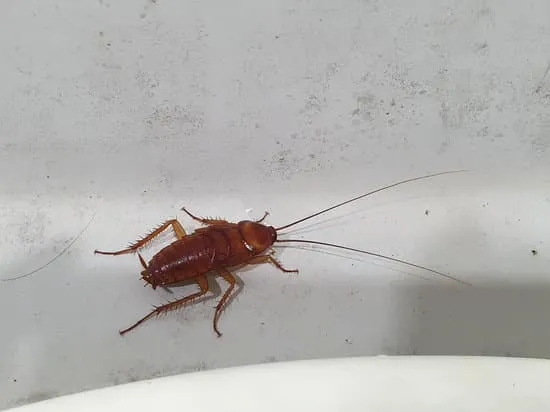
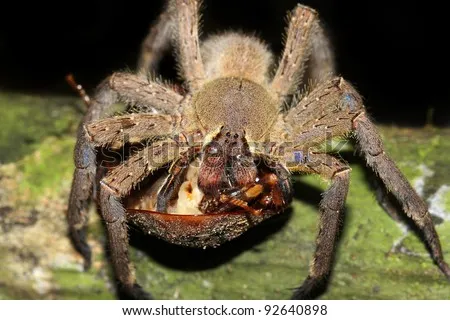
The question of whether a tarantula will eat a cockroach is a resounding yes! Cockroaches are a natural and often preferred food source for many tarantula species. In the wild, tarantulas are opportunistic hunters, and cockroaches, being relatively easy to catch and readily available in various environments, frequently become part of their diet. When kept in captivity, feeding your tarantula cockroaches can be a convenient and nutritionally beneficial option, mimicking their natural feeding habits. However, it’s essential to understand the nuances of this practice to ensure your pet’s health and well-being. This guide delves into the details of feeding tarantulas cockroaches, including the benefits, risks, and best practices.
Why Cockroaches are a Good Food Source
Cockroaches offer a variety of benefits as a food source for tarantulas, making them a popular choice among tarantula keepers. One primary reason is the nutritional profile they provide. Cockroaches are rich in protein, essential for the growth, development, and overall health of your tarantula. They also contain chitin, a type of fiber that aids in the tarantula’s digestive process. Furthermore, cockroaches are relatively easy to obtain and breed, making them a convenient and sustainable food source. Their size and availability also make them an excellent match for various tarantula sizes, from smaller slings to larger adults. Additionally, the hunting behavior stimulated by live cockroaches provides enrichment for your tarantula, promoting a more natural and stimulating environment.
Nutritional Value of Cockroaches for Tarantulas

Protein Content and Benefits
Protein is the cornerstone of a tarantula’s diet, crucial for muscle development, molting, and overall growth. Cockroaches offer a substantial amount of protein, providing the necessary building blocks for these essential biological processes. The high protein content in cockroaches helps ensure that tarantulas receive the nutrients they need to thrive and maintain their health. A diet deficient in protein can lead to stunted growth, weakness, and difficulties during molting. Therefore, cockroaches are a beneficial food source due to their high protein levels.
Chitin and Fiber Content
Chitin, a complex carbohydrate found in the exoskeleton of cockroaches, plays a vital role in tarantula digestion. It acts as a type of fiber, helping to regulate the digestive system and prevent constipation. While chitin isn’t directly digestible, it assists in moving food through the gut, ensuring the tarantula can efficiently process its meals. The presence of chitin in the cockroach diet supports a healthy digestive system, which is essential for nutrient absorption and overall well-being. Therefore, feeding cockroaches offers a nutritional advantage by providing both protein and digestive support.
Risks and Benefits

While cockroaches are a valuable food source, there are certain risks to consider. One of the primary concerns is the potential for parasites or diseases. Wild-caught cockroaches, in particular, can carry parasites or pathogens that can harm your tarantula. Therefore, it is essential to source cockroaches from a reputable breeder or supplier to minimize this risk. Additionally, the exoskeleton of cockroaches, while containing beneficial chitin, can sometimes be difficult for tarantulas to digest, especially for younger or smaller specimens. Therefore, monitoring your tarantula’s digestion and adjusting the feeding frequency or size of the cockroaches is crucial. Despite these risks, the benefits of feeding cockroaches, such as high protein content and ease of availability, make them a popular choice.
Potential Parasites and Diseases
One of the most significant risks when feeding cockroaches is the possibility of introducing parasites or diseases to your tarantula. Wild-caught cockroaches are especially prone to carrying various pathogens that can be harmful to tarantulas. These can include parasitic worms, protozoa, and bacteria that can cause digestive issues, weakness, and other health problems. It’s therefore strongly recommended to avoid using wild-caught cockroaches as a food source. Instead, source your feeder insects from a reputable breeder who can guarantee they are disease-free. Regular observation of your tarantula and prompt veterinary care are essential if you suspect any health issues.
Size and Type of Cockroaches
The size and type of cockroach you choose will depend on the size of your tarantula. For smaller tarantulas or slings, it’s crucial to offer smaller, more manageable cockroaches. Consider using nymphs or smaller species like Dubia roaches, which are readily available and generally have a good nutritional profile. As your tarantula grows, you can gradually increase the size of the cockroaches. However, always ensure the prey is no larger than the tarantula’s abdomen to prevent injury or stress during feeding. Different species of cockroaches vary in their nutritional content, so research which options are best suited for your tarantula’s specific needs.
How to Safely Feed Cockroaches
Preparing Cockroaches for Feeding
Before feeding cockroaches to your tarantula, it’s essential to ensure they are healthy and safe. Source them from a reputable supplier to minimize the risk of parasites or diseases. Consider gut-loading the cockroaches with nutritious food, such as fruits, vegetables, and high-quality insect feed, at least 24-48 hours before feeding them to your tarantula. This enhances their nutritional value, providing your tarantula with a more balanced meal. Always remove any uneaten cockroaches from the enclosure after a reasonable time, typically overnight, to prevent them from stressing or potentially harming the tarantula.
Proper Feeding Frequency
The feeding frequency for tarantulas depends on their age and size. Slings (young tarantulas) typically require more frequent feedings, often two to three times per week. As they grow, you can gradually reduce the frequency. Adult tarantulas can often be fed once a week or every other week. Overfeeding can lead to health problems, so observe your tarantula’s abdomen; if it’s plump, you may want to space out feedings. Always provide fresh water in a shallow dish and adjust the feeding schedule based on your tarantula’s individual needs and behaviors.
Observing Your Tarantula

Signs of a Healthy Tarantula
Regularly observe your tarantula to ensure it’s healthy and thriving. A healthy tarantula will have a plump abdomen, indicating it is well-fed. It will also exhibit normal behaviors, such as actively exploring its enclosure and reacting to stimuli. Look for a shiny, well-maintained exoskeleton. The tarantula should also have a good appetite and readily accept food. If your tarantula displays lethargy, loss of appetite, or any unusual behaviors, consult a veterinarian or experienced tarantula keeper. Providing a suitable environment, including proper temperature, humidity, and substrate, also supports your tarantula’s health.
Other Food Options for Tarantulas
While cockroaches are an excellent food source, it’s beneficial to offer a variety of food options to ensure a balanced diet for your tarantula. Other suitable choices include crickets, mealworms, superworms, and even small lizards or pinkie mice for larger species. The key is to rotate the diet to provide different nutrients and prevent your tarantula from getting bored with its meals. Remember to always ensure that any food item you provide is safe, disease-free, and appropriately sized for your tarantula. A varied diet, along with proper care, will contribute to a happy and healthy tarantula.
In conclusion, feeding cockroaches is an effective and beneficial method for nourishing your tarantula. By understanding the nutritional advantages, potential risks, and best practices, you can ensure your pet receives a balanced diet that promotes its health and longevity. Always prioritize the safety of your tarantula and source your insects from reliable suppliers. With careful observation and responsible care, you can enjoy the fascinating experience of owning and caring for these amazing creatures. Make sure to observe feeding behaviors to guarantee your Tarantula thrives, and remains safe during mealtimes.