Tarantula Facts 10 Amazing Things You Didn’t Know
Tarantulas, the iconic giants of the spider world, often evoke a mix of fascination and fear. These hairy arachnids, with their impressive size and diverse appearances, have captured the attention of scientists and enthusiasts alike. But how much do you really know about these creatures? Beyond their intimidating looks, tarantulas possess a wealth of intriguing characteristics and behaviors. From their complex anatomy to their unique survival strategies, tarantulas offer a window into the fascinating world of arachnids. This article will delve into ten amazing facts about tarantulas, exploring their anatomy, behavior, and the secrets that make them such captivating creatures. Get ready to uncover the hidden wonders of the tarantula.
The Basics of Tarantula Anatomy
Understanding a tarantula starts with understanding its anatomy. Like all arachnids, tarantulas have two main body segments: the cephalothorax (fused head and thorax) and the abdomen. The cephalothorax houses the spider’s brain, mouthparts, eyes, and legs, while the abdomen contains the digestive and reproductive organs. Covering the entire body is an exoskeleton, a tough, protective outer layer made of chitin. This exoskeleton provides support and protection but also limits growth, which is why tarantulas must molt to shed their old exoskeletons to grow larger. This basic structure underlies all of the tarantula’s functions, making it a fascinating subject of study.
Understanding Arachnid Structure

The arachnid structure, as a whole, is distinct from insects and other arthropods. Arachnids lack antennae and have eight legs, making them easily identifiable. Their bodies are divided into two segments as mentioned above, each playing a vital role in their survival. The cephalothorax, being the hub of sensory and locomotive functions, is where the tarantula processes information and moves through its environment. The abdomen, responsible for internal processes, ensures the tarantula can digest, reproduce, and create the silk necessary for its survival. This fundamental structure, common to all arachnids, highlights the tarantula’s unique place in the animal kingdom.
The Role of Legs in Tarantula Survival
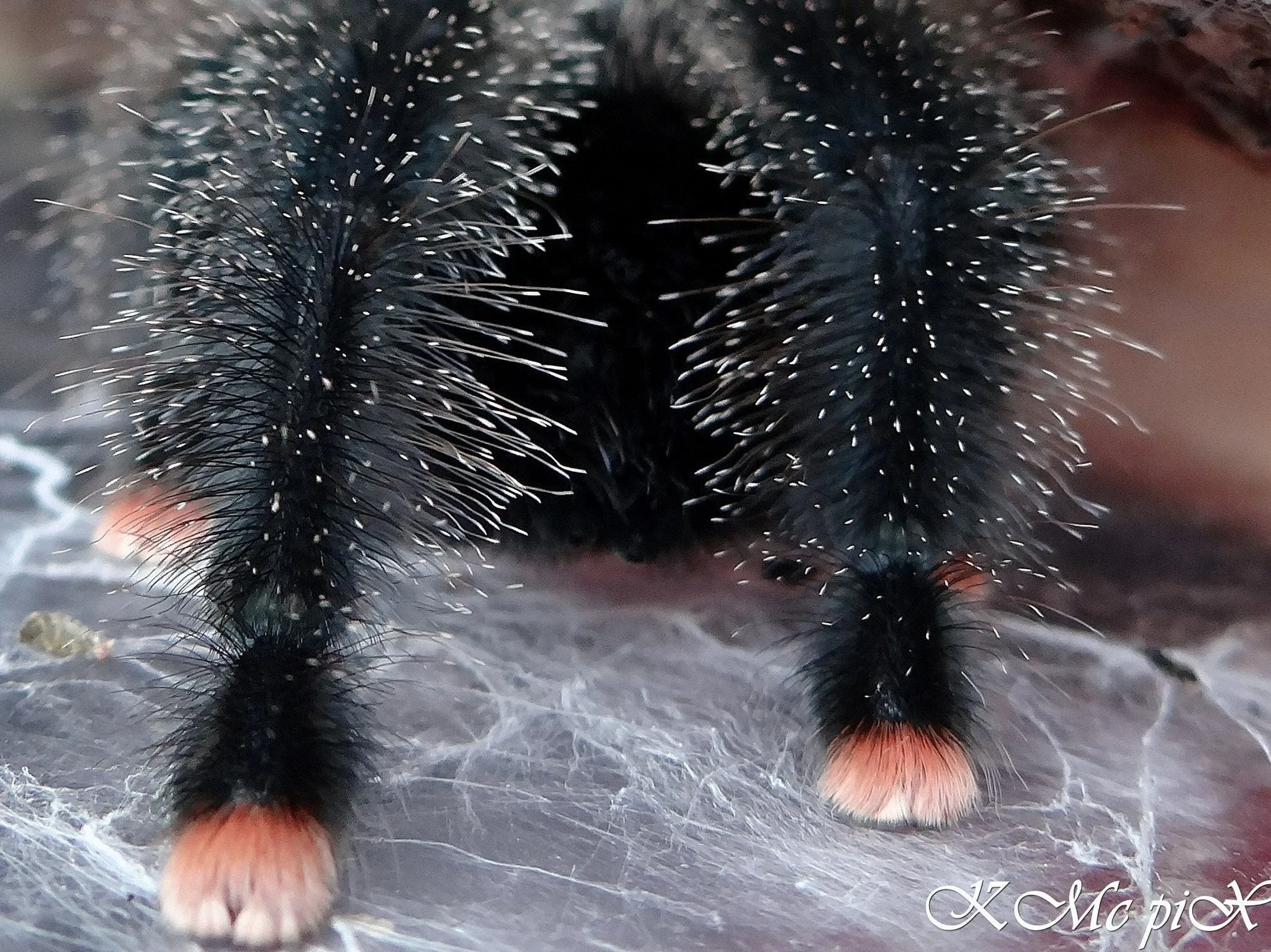
Tarantula legs are not merely for walking they are essential tools for survival, playing a critical role in a variety of functions. These legs provide locomotion, allowing tarantulas to hunt, escape predators, and explore their surroundings. The legs also serve as sensory organs, covered with sensitive hairs that detect vibrations, air currents, and even the presence of potential prey or threats. Furthermore, the legs play a role in mating, with males using modified pedipalps (leg-like appendages near the mouth) to transfer sperm to the female. The intricate design of these legs reflects their evolutionary importance, highlighting their vital role in the tarantula’s ability to thrive.
How Many Legs Does a Tarantula Have
A tarantula, like all spiders, has eight legs. These legs are attached to the cephalothorax, the combined head and chest section of the body. Each leg is composed of seven segments: the coxa, trochanter, femur, patella, tibia, metatarsus, and tarsus. The tarsus ends in claws, which allow the tarantula to grip surfaces. The number of legs is a defining characteristic of arachnids, setting them apart from insects which have six legs. The eight legs of the tarantula contribute significantly to its agility, allowing it to navigate diverse terrains and effectively hunt its prey.
The Standard Leg Count

The standard leg count for a tarantula is unequivocally eight. This is a fundamental feature of the arachnid class, to which tarantulas belong. The arrangement of these legs is symmetrical, with four legs on each side of the cephalothorax. These legs are not just for walking they are also used for climbing, sensing the environment, and even for manipulating prey. The consistency of this leg count provides a key diagnostic tool for identifying tarantulas and other arachnids, providing scientists with an immediate identifier of the species.
Variations and Anomalies in Leg Count
While tarantulas typically have eight legs, there can be rare instances of variation or anomalies. These deviations from the standard leg count are often the result of injury or genetic mutations. In cases of injury, a tarantula may lose a leg, and it may or may not regenerate during molting. Genetic mutations can sometimes lead to extra legs or legs that are malformed. However, such instances are uncommon, and the tarantula’s ability to function is generally not significantly impaired, as it can adapt to these changes with its remaining legs. These variations highlight the resilience and adaptability of these creatures.
Unique Adaptations of Tarantula Legs
Tarantula legs are not just simple appendages; they are highly specialized tools. The legs are covered with sensory hairs, called setae, that detect vibrations in the ground and air, helping the tarantula to locate prey and avoid predators. The tips of the legs have claws that allow for climbing on various surfaces, from smooth glass to rough tree bark. Some tarantulas also have scopulae, dense pads of tiny hairs on their feet, that provide excellent grip, allowing them to walk on vertical surfaces and even upside down. These adaptations demonstrate the remarkable evolutionary design that has enabled tarantulas to thrive in diverse environments.
Legs for Movement

The primary function of tarantula legs is locomotion, enabling them to navigate their surroundings effectively. Their legs are designed for a range of terrains, from the forest floor to rocky environments. The structure of the legs, with their multiple segments and joints, provides flexibility and agility. Tarantulas can run, climb, and even dig using their legs. Some species have longer legs adapted for speed, while others have more robust legs for burrowing. The ability to move efficiently is critical for hunting, escaping predators, and finding mates, showcasing the essential role of legs in the tarantula’s lifestyle.
Legs for Sensing
Tarantula legs are equipped with sensory hairs that play a crucial role in detecting the environment. These hairs are sensitive to vibrations, air currents, and chemicals, providing the tarantula with crucial information. They can sense the movement of potential prey, the presence of predators, or changes in their surroundings. This sophisticated sensory system allows the tarantula to hunt effectively, avoid danger, and navigate its environment with precision. This sensory ability enhances their survival by providing early warning of potential threats and opportunities.
Legs for Mating
Legs are also involved in tarantula mating rituals. Male tarantulas have modified pedipalps (leg-like appendages near their mouth) that are used to transfer sperm to the female. Prior to mating, the male will often drum his legs on the ground to signal his presence to a potential mate. During the mating process, the male uses his pedipalps to deposit sperm into the female’s reproductive tract. These modified leg-like structures and behaviors underscore the crucial role of the legs in both attracting a mate and ensuring successful reproduction, highlighting the complexity of their behavior.
Tarantula Leg Care and Maintenance

Tarantulas, like all animals, require proper care to maintain their health, and their legs are no exception. Providing a suitable environment, free from hazards, is vital. Ensuring they have appropriate humidity and temperature levels helps prevent issues like dehydration, which can affect leg function. A clean enclosure reduces the risk of infections or injuries, and a diet rich in nutrients helps with overall health, including leg strength and function. Careful handling is also crucial, as rough handling can cause leg injuries. Proper care helps these fascinating creatures live long, healthy lives.
Molting and Leg Regeneration
Molting is a critical process for tarantulas, allowing them to shed their old exoskeleton and grow larger. During molting, the tarantula produces a new exoskeleton beneath the old one. When molting, the tarantula will often lie on its back to ease the process. In the event of a leg injury or loss, tarantulas can regenerate lost limbs during molting. The new leg may not be perfect in the first molt, but with each subsequent molt, the leg will progressively improve. The ability to regenerate limbs demonstrates their remarkable resilience and adaptability.
Common Leg Injuries and Treatments
Tarantula legs can be vulnerable to injuries from falls, bites, or rough handling. Common injuries include broken legs, missing legs, or damage to the leg segments. Preventative measures are vital, such as providing an appropriate enclosure and handling tarantulas gently. If a leg is injured, the tarantula may not be able to move efficiently, affecting its ability to hunt and defend itself. Most minor injuries will heal through molting and regeneration. It is crucial to provide a stress-free environment and ensure proper hydration, as dehydration can slow healing. If the injury is severe, veterinary care may be required to assist recovery.
Fascinating Facts About Tarantula Legs

Beyond the basic functions, tarantula legs offer several fascinating insights into their lives. Some species use their legs to create silk, spinning webs for shelter, trapping prey, or creating draglines for safety. The way they move, climb, and sense their world is dictated by their legs. Others have evolved specialized hairs on their legs that can cause irritation to potential predators, a unique defense mechanism. The study of tarantula legs continues to reveal secrets of their behavior, adaptation, and the intricate balance between form and function in the natural world.
Legs and Prey Capture
Tarantula legs play a crucial role in the capture of prey. When a tarantula senses movement, it will use its legs to quickly move towards the potential meal. The legs are used to grasp and hold the prey while the fangs deliver a paralyzing venom. The claws at the tips of the legs, combined with the scopulae, provide a strong grip, enabling the tarantula to hold onto struggling prey. The speed and precision with which tarantulas use their legs demonstrate their effectiveness as predators, showcasing the important role legs play in their survival and feeding strategies.
Legs and Defense Mechanisms
Tarantulas also use their legs as part of their defense mechanisms. Some species have urticating hairs, which are barbed hairs that can be flicked off their abdomen using their hind legs. These hairs cause irritation and can deter potential predators. In addition to this, the legs allow for rapid movement to escape threats or to position themselves for defensive postures. The combination of these elements underlines the importance of the legs for both predation and survival.
The Future of Tarantula Research

The study of tarantula anatomy, including the legs, is an ongoing area of scientific inquiry. Researchers continue to investigate the details of leg structure, function, and the underlying genetic and evolutionary processes that influence these amazing creatures. They are also exploring the potential of tarantula venom for medical applications and the environmental factors influencing their survival. Future research holds the promise of even more discoveries about these fascinating creatures, providing a deeper understanding of their biology, behavior, and place in the world. Advancements in technology and analysis methods can further expand our knowledge, adding to the fascination with tarantulas.