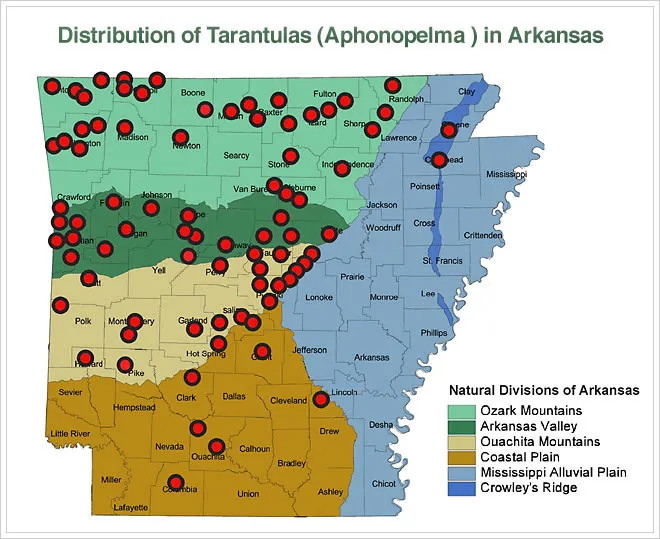
Tarantula Habitat
Tarantulas, the large and often hairy spiders, are fascinating creatures that captivate both scientists and enthusiasts alike. Understanding their habitat is key to appreciating their survival and the adaptations that allow them to thrive in diverse environments. These spiders aren’t just found in one particular location; they inhabit various regions across the globe, each presenting unique challenges and opportunities. From the lush canopies of tropical rainforests to the arid expanses of deserts, tarantulas have carved out niches for themselves, showcasing their incredible adaptability. This article will delve into the top 5 facts about tarantula habitats, exploring the factors that influence their distribution, survival, and the threats they face.
Diverse Habitats
One of the most striking aspects of tarantula biology is their ability to occupy a wide variety of habitats. This adaptability is crucial to their survival. The specific habitat a tarantula chooses is influenced by factors such as climate, the availability of prey, and the presence of suitable shelter. Understanding the various environments tarantulas inhabit helps to appreciate their resilience and the challenges they face due to environmental changes and habitat loss.
Rainforests

Rainforests provide a haven for many tarantula species, offering high humidity, consistent temperatures, and an abundance of potential prey. The dense vegetation provides ample cover, which is crucial for these ambush predators. Tarantulas in rainforests often live in burrows, under logs, or amongst the leaf litter on the forest floor, allowing them to avoid the direct sunlight and maintain optimal body temperature. These humid environments also support the growth of fungi and microorganisms, which can play a role in the ecosystem and, indirectly, in the tarantula’s diet. Species such as the Goliath Birdeater are well-known inhabitants of rainforests.
Grasslands
Grasslands are another habitat type where tarantulas can be found. Here, tarantulas often construct burrows in the ground, utilizing the surrounding grasses and plants for camouflage. The open landscape requires them to be adept at sensing vibrations to detect approaching prey or predators. These environments, characterized by seasonal changes in rainfall and temperature, necessitate that tarantulas are able to adapt to changes in prey availability and shelter quality. Grasslands also offer a different suite of potential prey compared to rainforests, influencing the tarantula’s diet and hunting behavior.
Deserts
Deserts present a harsh environment, characterized by extreme temperatures and low humidity. Tarantulas that inhabit deserts have evolved unique adaptations to survive in such conditions. Many species dig deep burrows to escape the daytime heat and retain moisture. They are typically nocturnal, emerging to hunt when temperatures are cooler. These spiders also have specific physiological adaptations that allow them to conserve water and withstand long periods without food. The availability of prey in deserts often fluctuates, thus the tarantulas must be able to capitalize on opportunities.
Burrowing Behavior

Burrowing is a fundamental aspect of tarantula habitat and behavior. The ability to dig and maintain burrows provides crucial protection from predators, extreme temperatures, and desiccation. Burrowing behavior varies depending on the species and the characteristics of the environment. Some tarantulas construct intricate burrows, lined with silk, while others simply utilize existing holes. The depth and structure of a burrow often reflect the tarantula’s size, the substrate composition, and the local climate. These underground havens not only serve as a refuge but also as a strategic location for ambushing prey and raising offspring.
Creating a Safe Haven
Burrows act as a safe haven against predators, offering a secure location where tarantulas can molt, mate, and lay their eggs. The underground environment provides a stable microclimate, which helps to regulate temperature and humidity, essential for their survival. The structure of the burrow also protects the tarantula from the elements, such as heavy rainfall or strong winds. The intricate design of the burrow often includes chambers and tunnels, which serve various purposes, from living quarters to ambush points. The safety provided by a well-constructed burrow is critical for the tarantula’s long-term survival and well-being.
Webbing and Silk
Tarantulas use silk in several ways to enhance their habitat. They line the walls of their burrows with silk to stabilize the soil and prevent collapses. The silk also acts as an alarm system, alerting the tarantula to the presence of potential prey or predators through vibrations. Some tarantulas construct intricate webs near the entrance of their burrows, increasing their chances of catching unsuspecting insects. The type of silk and the way it’s used can vary significantly between species, reflecting their unique adaptations to their respective habitats. Silk is a versatile material and an essential component of the tarantula’s survival strategy.
Climatic Considerations

The climate plays a significant role in shaping tarantula habitats and influencing their behaviors. Factors such as temperature, humidity, and rainfall are critical determinants of where these spiders can survive and thrive. Tarantulas have adapted to a wide range of climatic conditions, from the humid rainforests to the arid deserts, but each species has specific requirements for its survival. The ability to withstand environmental fluctuations and adapt to changing conditions is crucial for the long-term survival of these fascinating arachnids. Understanding the impact of climate change and habitat loss is critical for their preservation.
Temperature and Humidity
Temperature and humidity are two of the most critical climatic factors influencing tarantula habitats. Tarantulas are ectothermic, meaning they rely on external sources of heat to regulate their body temperature. They thrive in environments with moderate temperatures and sufficient humidity. Extremes in temperature can be lethal, requiring them to seek shelter during the hottest or coldest periods of the day. Humidity is also essential for preventing dehydration and maintaining the proper functioning of their respiratory systems. Different species have different tolerances, with some preferring high humidity while others are more adapted to arid conditions.
Seasonal Changes
Seasonal changes in temperature, rainfall, and prey availability significantly impact tarantula behavior and survival. During the breeding season, tarantulas become more active, and males venture out in search of females. During periods of drought or extreme cold, they may retreat to their burrows and enter a state of dormancy. The ability to adapt to these seasonal fluctuations is a hallmark of tarantula survival. The timing of life cycle events, such as molting and reproduction, is often closely tied to seasonal cues, allowing them to maximize their chances of survival and successful reproduction. Understanding these cycles is vital for their conservation.
Dietary Adaptations

Tarantulas are primarily carnivorous predators, and their diet consists of a variety of insects, arthropods, and sometimes small vertebrates. The type of prey available in a particular habitat greatly influences their dietary habits. Adaptations in hunting strategies and physiological characteristics allow them to thrive in different environments. The success of a tarantula in its habitat is often tied to the abundance and accessibility of its food sources, making dietary adaptability an important trait.
Hunting Strategies
Tarantulas employ diverse hunting strategies to catch their prey. Some species are ambush predators, waiting patiently near their burrows or under cover until an unsuspecting insect comes within striking distance. Others actively pursue their prey, using their speed and agility to capture it. Their venom plays a crucial role in immobilizing their prey, allowing them to consume it safely. The specific hunting strategy of a tarantula is often related to its habitat and the types of prey available. The development of specialized chelicerae and pedipalps are also essential tools for hunting.
Prey Availability
The availability of prey is a crucial factor in determining the success of a tarantula in its habitat. The abundance and type of insects, arthropods, and other potential food sources can vary greatly depending on the environment. Tarantulas have adapted to capitalize on the most common prey items in their region. In rainforests, a diverse array of insects and invertebrates are available, while in deserts, tarantulas must be more opportunistic, preying on whatever becomes available. Changes in prey availability, due to factors like habitat loss or climate change, can have a significant impact on tarantula populations.
Conservation Status

Tarantulas, like many other species, face a variety of threats to their survival. Habitat loss, climate change, and the illegal pet trade pose significant challenges to their long-term well-being. Understanding these threats and implementing conservation efforts is crucial for protecting these fascinating creatures and their habitats. The conservation status of tarantulas can vary greatly, with some species being more vulnerable than others. The challenges they face underscores the need for proactive conservation strategies.
Threats to Tarantula Habitats
Several factors threaten tarantula habitats and the survival of these spiders. Habitat loss is perhaps the most significant threat, as deforestation, urbanization, and agricultural expansion destroy the natural environments in which tarantulas live. Climate change further exacerbates the problem, causing shifts in temperature and precipitation patterns, which can make habitats unsuitable for tarantulas. The illegal pet trade also puts pressure on wild populations, as many species are captured for sale in the exotic pet market. These threats are interconnected and pose a complex challenge for conservation efforts.
Habitat Loss
Habitat loss is a primary driver of tarantula decline. Deforestation to clear land for agriculture, logging, and mining operations destroys the forests and grasslands, removing the shelter and resources tarantulas need to survive. Urbanization and the construction of roads and buildings lead to fragmentation of habitats, isolating populations and reducing genetic diversity. The loss of habitat forces tarantulas to relocate, compete for limited resources, and face increased risk of predation. Protecting and restoring tarantula habitats is vital to ensure the long-term survival of these spiders.
Climate Change

Climate change poses a serious threat to tarantula habitats. Rising temperatures, changes in rainfall patterns, and increased frequency of extreme weather events can significantly impact these habitats. Shifts in temperature can affect the distribution of tarantulas and their prey, and the changes in rainfall can lead to droughts or floods, making habitats unsuitable for the survival of these spiders. Climate change also contributes to other environmental challenges, such as wildfires and habitat degradation, further threatening tarantula populations. Addressing climate change through mitigation efforts is a crucial step in protecting tarantula habitats and their long-term survival.
Conservation Efforts
Protecting tarantula habitats requires a multi-faceted approach, including habitat preservation, scientific research, and public education. Conservation efforts are crucial to mitigate the threats to tarantulas and their habitats. Protecting critical habitats and promoting sustainable land-use practices are essential. Research into tarantula biology, distribution, and threats helps to develop effective conservation strategies. Educating the public about the importance of tarantulas and the threats they face can foster support for conservation efforts. These collective actions can help to ensure the survival of tarantulas for future generations.
Protecting Tarantula Habitats
Protecting tarantula habitats involves several key strategies. Establishing protected areas, such as national parks and reserves, ensures the conservation of the natural environment. Implementing sustainable land-use practices, such as responsible forestry and agriculture, can minimize habitat degradation. Monitoring tarantula populations and their habitats provides valuable data for tracking changes and assessing the effectiveness of conservation efforts. Supporting ecotourism and promoting responsible pet ownership can also contribute to tarantula conservation. By working together, we can ensure the long-term survival of tarantulas in their natural environments.
In conclusion, tarantulas have adapted to thrive across diverse habitats, showcasing their resilience and evolutionary success. From the humid rainforests to the arid deserts, these arachnids have carved out niches for themselves. However, habitat loss, climate change, and the illegal pet trade pose significant threats to their survival. By understanding their habitat requirements and implementing effective conservation strategies, we can help ensure that these fascinating creatures continue to thrive for generations to come. The protection of their habitats is paramount to their long-term well-being.