What is a Tarantula Hawk and Why Should You Care?
The tarantula hawk is a large, powerful wasp known for its striking appearance and, more infamously, its excruciatingly painful sting. These wasps are among the largest in the wasp family, boasting vibrant colors often a metallic blue-black body with orange wings. Found primarily in the southwestern United States and parts of South America, tarantula hawks are formidable predators, specializing in hunting tarantula spiders. Understanding the tarantula hawk is crucial not only for those who live in their habitats but also for anyone interested in the natural world. Their behavior, particularly their hunting habits and defensive mechanisms, is fascinating and worthy of study. This guide aims to provide a comprehensive overview of tarantula hawk bites, offering essential information on everything from first aid to long-term effects.
Understanding Tarantula Hawk Behavior
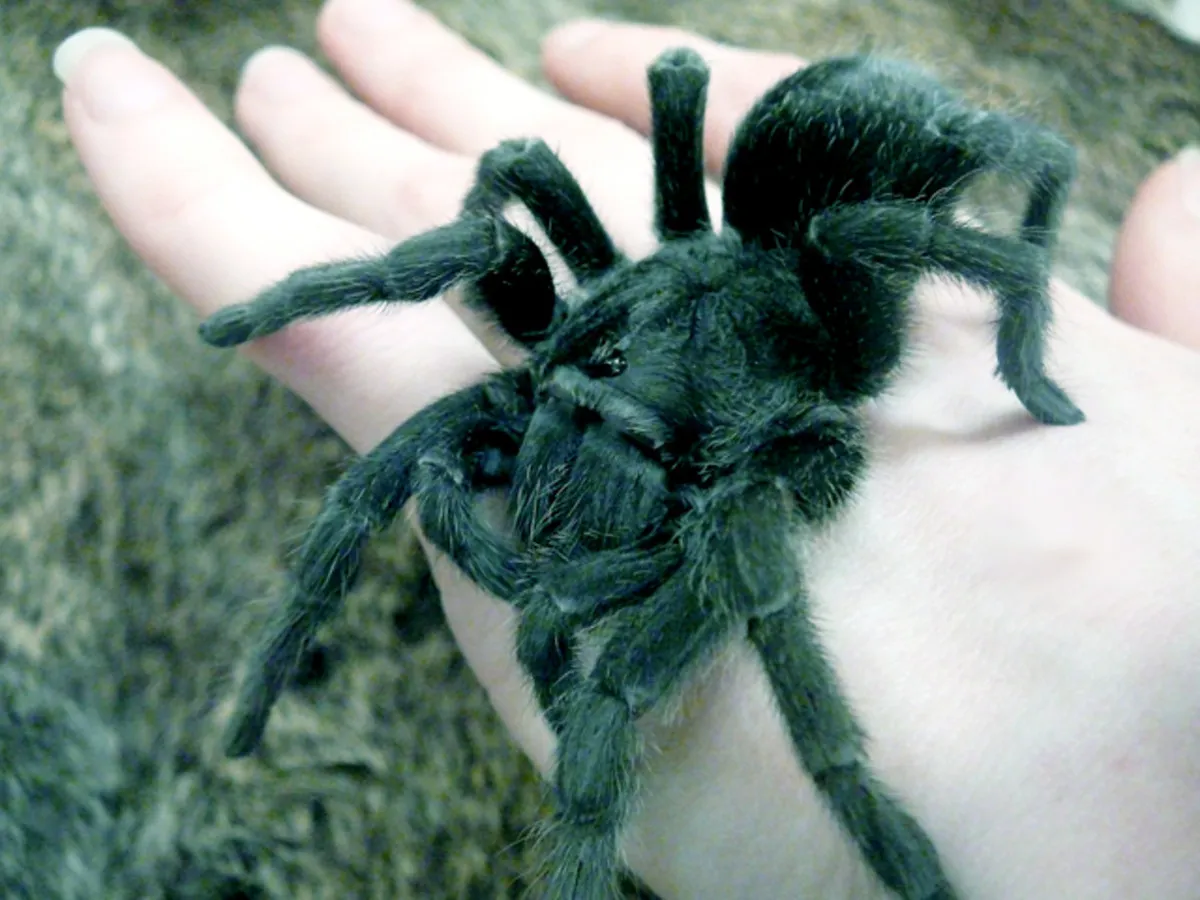
Tarantula hawks are solitary creatures, except during mating. The females are the primary hunters, using their powerful sting to paralyze tarantulas, which then serve as hosts for their larvae. They meticulously drag the paralyzed spider to a burrow, where they lay a single egg on its abdomen. The wasp larva hatches, feeds on the still-living spider, and eventually pupates. Male tarantula hawks are less dangerous as they do not possess a stinger capable of paralyzing prey. They primarily feed on nectar and are often seen near flowers. The mating process involves the males competing for females, with the winners demonstrating their strength and agility. Understanding their behavior is key to avoiding unwanted encounters and appreciating their role in the ecosystem.
The Anatomy of a Tarantula Hawk

The tarantula hawk is a marvel of natural engineering. Their bodies are built for both hunting and defense. The stinger, which is a modified ovipositor (egg-laying structure), is their primary weapon and can inject a potent venom. They possess strong mandibles used for manipulating prey, and their powerful legs allow them to drag spiders many times their size. The vibrant coloration serves as a warning signal to potential predators, advertising their potent sting. Their antennae are used to sense their surroundings and locate both prey and potential mates. Their exoskeleton provides protection and support, enabling them to survive in harsh environments. Every aspect of their anatomy contributes to their predatory lifestyle, making them one of the most effective hunters in their habitat.
The Stinger The Source of Pain
The tarantula hawk’s stinger is more than just a needle it’s a precision instrument designed for delivering a potent venom. The venom itself contains a cocktail of compounds that induce intense pain and paralysis. Unlike bee stings, which often leave the stinger embedded, tarantula hawks can sting multiple times. The stinger’s structure allows for efficient delivery of venom deep into the tissues of the target. The sting is not primarily intended for humans it is a defense mechanism and a tool for subduing prey. The stinger’s effectiveness is enhanced by the wasp’s ability to precisely target nerve centers, maximizing the impact of the venom. Understanding the nature of the stinger provides a better understanding of why the resulting bite is so painful.
What Happens When a Tarantula Hawk Bites?
When a tarantula hawk stings a human, the experience is unlike any other. The venom is injected rapidly, triggering an immediate and intense burning sensation. This pain is often described as a searing, electric shock, followed by a throbbing ache that can persist for hours. The sting itself may appear as a small puncture wound, but the effects are far-reaching. The venom spreads quickly through the affected area, causing localized inflammation and swelling. In rare cases, the sting can trigger a systemic reaction, with symptoms such as nausea, dizziness, and difficulty breathing. The severity of the reaction depends on factors such as the amount of venom injected and the individual’s sensitivity to the venom. The psychological impact of the sting can also be significant, leaving victims anxious and wary of the environment.
Immediate Symptoms of a Tarantula Hawk Bite

The immediate symptoms of a tarantula hawk bite are often the most alarming. The primary symptom is, of course, intense pain. Right after the sting, the site will begin to throb with a deep burning sensation. Localized swelling is common, and the area around the sting may become red and inflamed. The pain can spread from the point of the bite, and it may be accompanied by other symptoms, such as nausea or vomiting. Although rare, some individuals may experience more severe reactions, including difficulty breathing, rapid heart rate, and loss of consciousness. The immediacy of the symptoms underscores the need for quick and decisive action, including the application of first aid and medical attention if needed. The initial effects of the bite can be a frightening experience.
The Intense Pain Experience
The pain from a tarantula hawk sting is legendary, often described as the most painful insect sting in the world. The pain is said to be immediate, excruciating, and all-encompassing. It has been compared to being electrocuted, causing a sensation of intense burning and throbbing. The pain can radiate from the bite site, spreading throughout the affected limb or even the entire body. The duration of the pain varies but can last for several hours. The intensity of the pain is such that victims often report an inability to focus on anything else. The experience is not only physically painful but can also be psychologically distressing, leading to feelings of panic and anxiety. The impact of the pain is a testament to the potency of the tarantula hawk’s venom.
Factors Influencing Bite Severity
Several factors can influence the severity of a tarantula hawk bite. The amount of venom injected is a critical factor, as a larger dose will typically result in a more intense reaction. The location of the bite is another important consideration. Bites near sensitive areas, such as the head or neck, may cause more severe symptoms. Individual sensitivity to the venom also plays a significant role. Some people may experience a milder reaction, while others may have a much stronger response. The victim’s overall health and the presence of any underlying medical conditions can also impact the severity of the bite. Age, too, can be a factor, with children and the elderly potentially being more vulnerable to severe reactions. Prompt treatment and appropriate medical care can help to mitigate the effects of the bite.
First Aid for Tarantula Hawk Bites

Administering first aid promptly can help to minimize the effects of a tarantula hawk bite. The first step is to move away from the area to avoid further stings. Next, carefully examine the sting site for any signs of the stinger. Unlike bee stings, tarantula hawks don’t typically leave stingers behind. Wash the area thoroughly with soap and water. Apply a cold compress to reduce swelling and pain. Elevate the affected limb to help minimize swelling. It is important to monitor the victim for any signs of a severe allergic reaction, such as difficulty breathing, swelling of the throat, or dizziness. If these symptoms occur, seek immediate medical attention. First aid should be aimed at managing the immediate pain and preventing further complications.
Immediate Steps to Take
Immediately after being stung by a tarantula hawk, it is crucial to take several steps. First, move away from the area to ensure you are not stung again. Observe your surroundings to ensure you are not in immediate danger. Remove any constricting items, such as jewelry or tight clothing, from the affected area. Wash the sting site thoroughly with soap and water. This will help to remove any venom from the skin and reduce the risk of infection. Stay calm, and seek assistance or contact emergency services if you experience severe symptoms.
Soothing the Bite
Once you’ve taken the immediate steps, there are several methods to soothe the bite and alleviate the pain. Applying a cold compress or ice pack to the area can help to reduce swelling and numb the pain. Over-the-counter pain relievers, such as ibuprofen or acetaminophen, can help manage pain. A paste of baking soda and water can be applied to the sting site to help neutralize the venom. Some people find relief from applying a topical antihistamine cream. Keep the area clean and dry to prevent infection. If the pain persists, consult a doctor for further advice.
Medical Treatment and When to Seek It

Medical treatment for a tarantula hawk bite may be necessary, especially if the symptoms are severe or persist. A healthcare professional can assess the bite and provide appropriate treatment. Treatment may include pain medication, antihistamines, or corticosteroids to reduce inflammation. In some cases, antibiotics may be prescribed if there are signs of infection. If the victim is experiencing a severe allergic reaction, epinephrine may be administered. It is important to seek medical attention if you experience difficulty breathing, swelling of the throat, dizziness, or loss of consciousness. If the pain is unbearable or the symptoms worsen, consult a doctor. Medical treatment can help manage the symptoms and prevent further complications.
Home Remedies for Tarantula Hawk Bites
Several home remedies can help to ease the symptoms of a tarantula hawk bite. Applying a cold compress or ice pack to the affected area can help reduce swelling and numb the pain. A paste made from baking soda and water can be applied to the sting site to help neutralize the venom. Applying a topical antihistamine cream can help to relieve itching and inflammation. Aloe vera gel can soothe the skin and promote healing. Keeping the area clean and dry is essential to prevent infection. Over-the-counter pain relievers, such as ibuprofen or acetaminophen, can help manage pain. While these remedies can provide relief, it is essential to seek medical attention if symptoms are severe or worsen.
Treatments to Ease Pain and Swelling
Various treatments can help to ease the pain and swelling caused by a tarantula hawk bite. Applying a cold compress or ice pack to the affected area can reduce inflammation and numb the pain. Over-the-counter pain relievers, such as ibuprofen or acetaminophen, can provide relief from the pain. Antihistamine creams can help reduce itching and swelling. Elevating the affected limb can help to minimize swelling. Applying a paste of baking soda and water to the sting site may help to neutralize the venom. In some cases, a doctor may prescribe stronger pain relievers or corticosteroids to manage the symptoms. It is essential to monitor the symptoms and seek medical attention if they worsen.
Preventing Tarantula Hawk Bites

Preventing tarantula hawk bites involves understanding their habitat and behavior. The best way to avoid a bite is to avoid encounters with these wasps. When outdoors in areas where tarantula hawks are known to reside, wear protective clothing, such as long sleeves, long pants, and closed-toe shoes. Avoid disturbing potential nesting sites or areas where tarantulas are commonly found. Be cautious when handling objects or working in areas where these wasps may be present. Learn to identify tarantula hawks and their nests. If you see a tarantula hawk, avoid making sudden movements or provoking it. By taking these precautions, you can significantly reduce your risk of being stung.
Identifying Tarantula Hawk Habitats
Tarantula hawks are most commonly found in the southwestern United States and parts of South America, inhabiting arid and semi-arid regions. They prefer areas with sandy or loose soil, where they can dig burrows. They are often found near tarantula spider habitats, such as burrows under rocks or in the ground. They may also be found near flowering plants, as they feed on nectar. Identifying tarantula hawk habitats involves recognizing the characteristics of these environments. Look for open, sunny areas with sparse vegetation and sandy soil. Be aware of any potential tarantula spider activity in the area. Familiarize yourself with the appearance of tarantula hawks and their nests. Be cautious when exploring these habitats, and always wear protective clothing.
How to Avoid Encounters
Avoiding encounters with tarantula hawks is the best way to prevent being stung. Wear protective clothing, such as long sleeves, long pants, and closed-toe shoes, especially when working or hiking in areas where they are known to be present. Avoid disturbing potential nesting sites or areas where tarantulas are present. Be cautious when handling objects or working in areas where tarantula hawks may be present. If you see a tarantula hawk, remain calm and avoid making any sudden movements or provoking the wasp. Educate yourself about tarantula hawk behavior and habitat. If you live in an area where tarantula hawks are common, consider taking additional precautions, such as regularly inspecting your property for nests and avoiding activities that could attract them, like keeping flowering plants close to your home.
What to Do If You See One

If you encounter a tarantula hawk, the most important thing to do is to remain calm and avoid making any sudden movements. Do not attempt to swat at the wasp or disturb it in any way. Slowly back away from the area, giving the wasp space. Observe the wasp’s behavior. If it is flying away, allow it to do so. If it is near a potential nesting site or prey, avoid the area. If the wasp lands on you, remain still and allow it to leave on its own. If you need to move, do so slowly and deliberately. Avoid panicking, as this may provoke the wasp. By remaining calm and cautious, you can minimize the risk of being stung. If a tarantula hawk does sting you, follow the first aid procedures outlined in this guide.
Long-Term Effects and Complications
While the primary effect of a tarantula hawk sting is immediate, intense pain, there may be some long-term effects and complications. The most common long-term effect is lingering pain and discomfort at the sting site. Some people may experience persistent itching or numbness. In rare cases, the sting can cause a chronic inflammatory response. The venom may trigger an allergic reaction in some individuals, leading to symptoms such as skin rashes, hives, or swelling. If a sting site becomes infected, this can lead to further complications, such as cellulitis. It is important to seek medical attention if you experience any unusual or persistent symptoms after a tarantula hawk sting, especially if you have a history of allergies or other health concerns.
The Psychological Impact of a Bite
The psychological impact of a tarantula hawk bite can be significant, as the experience is often very traumatic. The intense pain can lead to feelings of fear, anxiety, and panic. The victim may develop a fear of wasps, insects, or the outdoors. The experience can also contribute to post-traumatic stress disorder, with symptoms such as flashbacks, nightmares, and avoidance behaviors. The psychological impact can affect a person’s quality of life, and they may struggle to enjoy activities they previously enjoyed. Seeking support from a mental health professional can help manage the psychological effects of a tarantula hawk bite. Therapy, such as cognitive-behavioral therapy, can help address the fear and anxiety associated with the bite.
Managing Anxiety and Fear
Managing anxiety and fear after a tarantula hawk bite is crucial for recovery. Recognize the emotions of fear and anxiety. Practice relaxation techniques, such as deep breathing and meditation, to calm the nervous system. Limit exposure to triggers, such as images or discussions related to wasps. Engage in activities that bring you joy and relaxation. Join a support group or talk to a therapist. Cognitive-behavioral therapy (CBT) can help identify and change negative thought patterns. Consider exposure therapy, where you gradually expose yourself to the source of your fear. Building a support system and practicing self-care will contribute to the healing process. By addressing the psychological impact, you can improve your overall well-being and reduce the long-term effects of the bite.
Tarantula Hawk Bites Myth vs Reality
Tarantula hawk bites are surrounded by many myths and misconceptions. It is essential to separate fact from fiction to understand the true nature of these stings. One common myth is that the sting is deadly. In reality, while the sting is extremely painful, it is rarely fatal. Another myth is that tarantula hawks aggressively attack humans. In fact, these wasps are not aggressive and will only sting if they feel threatened. The myth of the sting causing paralysis is also untrue, it causes temporary pain but does not paralyze a human. Understanding the truth about tarantula hawk bites can reduce the fear and anxiety often associated with them. Rely on credible sources of information and avoid spreading or believing unsubstantiated claims.
Common Misconceptions Debunked
Several common misconceptions about tarantula hawk bites should be debunked. The first misconception is that the sting is always fatal. While painful, fatalities are extremely rare. Another misconception is that the wasp actively seeks out and attacks humans. Tarantula hawks are not aggressive and will only sting in self-defense. It’s also wrong that the stinger stays embedded. Tarantula hawks can sting multiple times. The claim that the bite causes paralysis is untrue; it causes temporary intense pain, but not paralysis in humans. Separating myth from reality is essential for managing the fear associated with these wasps.
The Role of Tarantula Hawks in the Ecosystem
Tarantula hawks play an important role in the ecosystem, primarily through their predatory behavior. As predators of tarantulas, they help to control spider populations. They also serve as a food source for other animals, such as birds and lizards. They contribute to the biodiversity of their habitat. The tarantula hawk’s parasitic relationship with tarantulas helps to maintain a balance within the ecosystem. By understanding the ecological role of the tarantula hawk, we can better appreciate its importance in the natural world. Protecting their habitat ensures the continued health of the ecosystem.
Their Importance to Spider Control
Tarantula hawks are essential for controlling tarantula populations. By preying on tarantulas, they keep the spider population in check. Without this natural control, tarantula populations could potentially grow to unsustainable levels, which could disrupt the balance of the ecosystem. This predation by tarantula hawks helps maintain a healthy and balanced environment. The wasp’s parasitic behavior helps regulate the tarantula population. Their importance in spider control highlights the critical role these wasps play in the ecosystem.
Conclusion
Tarantula hawk bites are undeniably painful, but understanding these creatures and their behavior can help you minimize the risk and manage the experience. This guide provides comprehensive information on the tarantula hawk, its bite, and how to deal with it. Remember to take precautions when in tarantula hawk habitats, avoid provoking them, and take appropriate first aid measures if stung. The more you know, the better equipped you are to deal with this incredible insect and its infamous sting. Stay informed, stay safe, and respect the natural world.