What are Tarantula Hawk Wasps?
The tarantula hawk wasp is a remarkable insect, a member of the Pompilidae family, renowned for its imposing size, striking coloration, and the dramatic manner in which it interacts with the world. These wasps are not just real; they are formidable predators with a unique lifestyle that often captures the imagination. Found primarily in arid regions, these wasps are a testament to the diverse and often surprising adaptations found in the insect world. The term “tarantula hawk” itself gives a clear indication of the wasp’s primary hunting target a tarantula spider. This relationship is not only fascinating but also highlights the intricate balance of nature, where predators and prey engage in a constant dance of survival. Understanding these wasps necessitates a deeper look into their characteristics and behaviors.
Appearance and Identification
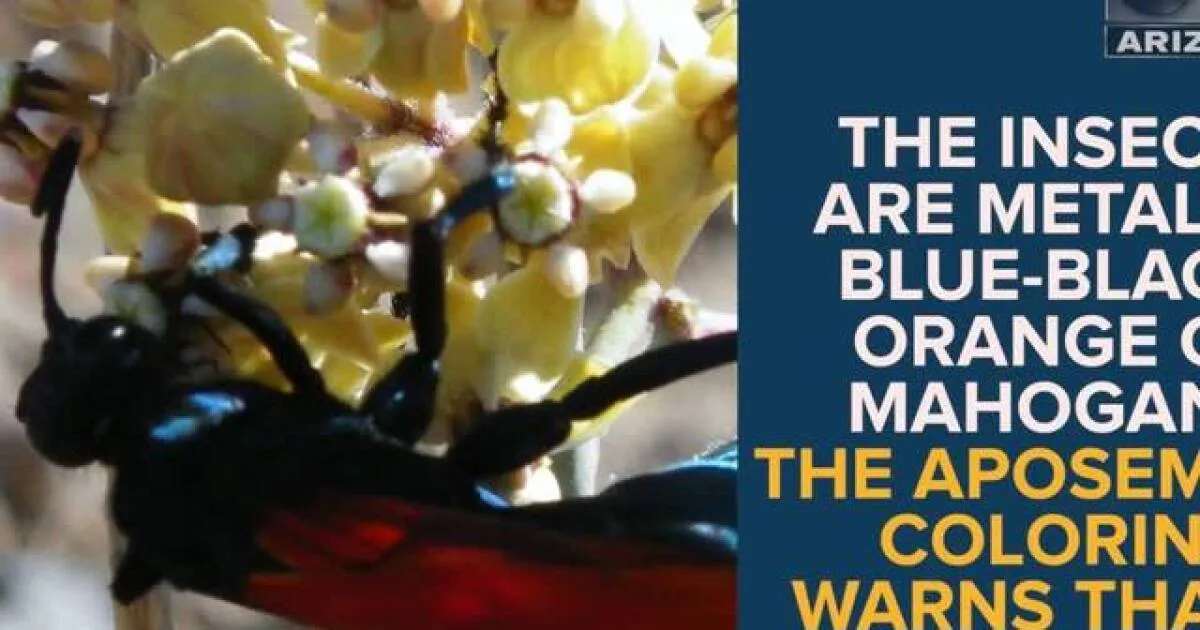
Identifying a tarantula hawk wasp is relatively straightforward, given their distinctive appearance. They typically measure between 1 to 2 inches in length, making them one of the largest wasps in the world. Their bodies are a striking combination of colors, with a dark, often black, body and iridescent wings that shimmer with blue or purple hues. One of the most recognizable features is their vibrant orange or rust-colored antennae, adding to their formidable appearance. These wasps also possess a powerful stinger, a key component in their hunting strategy. The combination of size and color serves as a warning to potential predators, a clear signal of the potent sting that these wasps can deliver. These traits are important for distinguishing them from other, less dangerous wasp species.
Habitat and Distribution

Tarantula hawk wasps thrive in warm, arid environments, and they are most commonly found in the southwestern United States, parts of South America, and various other regions around the world that provide suitable conditions. Their distribution is closely linked to the presence of tarantulas, their primary prey, and the availability of sandy or loamy soils where they can build their nests. These wasps are solitary creatures, and their territories are often spread out, aligning with the scattered distribution of their prey. They are particularly active during the warmer months, when the tarantulas are most active and the conditions are optimal for their hunting and reproduction. The specific habitats include deserts, scrublands, and open woodlands, environments that provide ample space for both the wasps and their tarantula prey.
Are Tarantula Hawk Wasps Dangerous to Humans?
The tarantula hawk wasp is infamous for its sting, considered among the most painful in the insect world, though it is not typically life-threatening to humans. Their reputation is partly due to the intensity of the pain, which has been described as excruciating and debilitating. While the sting is incredibly painful, it is usually not medically dangerous unless the individual has an allergic reaction. The pain can last for several minutes, causing temporary paralysis at the sting site. The wasps are not aggressive and will generally only sting if they feel threatened, such as when handled or accidentally stepped on. It is important to understand the nature of the sting and how to minimize the risk of being stung by these impressive but potentially painful insects.
The Tarantula Hawk Wasp Sting
The sting of a tarantula hawk wasp is legendary. It is primarily used to paralyze tarantulas, but when it is inflicted on humans, the experience is unforgettable. The sting is delivered through a long, sharp stinger and injects a potent venom that causes immediate and intense pain. The venom is designed to disable the spider, allowing the wasp to drag it to a nest for its larva. For humans, the sting does not typically cause significant lasting harm, but the pain is severe and immediate. This pain is often described as a sharp, burning sensation accompanied by temporary paralysis in the affected area. The intensity of the pain is what sets the tarantula hawk wasp apart in the world of stinging insects. It is not the venom’s toxicity but its effect on nerve pathways that contributes to the extreme pain.
Precautions and Safety

While the tarantula hawk wasp sting is extremely painful, there are steps that can be taken to reduce the risk of being stung. The most effective way is to avoid disturbing them. They are not naturally aggressive, and they will only sting if they perceive a threat. Avoid handling them and keep a safe distance if you encounter one. When in areas where these wasps are common, wear protective clothing, such as long sleeves and pants, especially if you are working outdoors. If you are stung, the most important thing is to remain calm and seek help if symptoms worsen or if you have an allergic reaction. Removal of the stinger is essential and the application of ice can help reduce the pain and swelling. While the sting is painful, with proper precautions, one can minimize the risk of experiencing it.
The Tarantula Hawk Wasp Life Cycle
The life cycle of the tarantula hawk wasp is an extraordinary example of nature’s complexities, marked by its parasitic relationship with tarantulas. The process begins with the female wasp hunting for a tarantula, a task that requires skill, strength, and a bit of luck. Once she locates a suitable spider, the wasp engages in a carefully orchestrated battle to paralyze the tarantula using its stinger. This is a crucial step, ensuring the spider is subdued but alive. After paralyzing the tarantula, the wasp drags it back to a nest that she has prepared, which can be a burrow in the ground or a pre-existing cavity. This sets the stage for the next phase of her life cycle.
Hunting and Paralysis
The hunt for a tarantula is a high-stakes endeavor for the tarantula hawk wasp. The wasp must carefully approach the spider, aiming to deliver a paralyzing sting without getting captured or injured. The wasp will maneuver to a vulnerable spot, often targeting the spider’s nervous system. The sting itself is a critical moment. The venom injected by the wasp contains neurotoxins designed to paralyze the spider, rendering it helpless but alive. Once paralyzed, the tarantula is at the mercy of the wasp, who can then proceed with her plans. The wasp must not only hunt but also avoid the tarantula’s fangs and defensive behaviors, which makes this a remarkable example of natural predation.
The Parasitic Lifestyle

After paralyzing the tarantula, the female tarantula hawk wasp drags the spider to a prepared nest, often a burrow in the ground or a pre-existing cavity. She then lays a single egg on the spider’s abdomen. Once the egg hatches, the larva begins to feed on the paralyzed tarantula, consuming it alive from the outside in. This process takes several weeks, during which the tarantula remains alive but immobile. The larva grows by feeding off the tarantula, molting several times until it reaches its full size. Once the larva has consumed the tarantula, it pupates inside the spider’s body. It emerges as a fully-formed adult tarantula hawk wasp, ready to repeat the cycle, making this a chilling example of parasitic behavior in the natural world.
Conservation Status and Threats
Although tarantula hawk wasps are not currently listed as endangered or threatened, their populations face several challenges. Understanding these threats is vital for ensuring that this remarkable species continues to thrive. While they are naturally adapted to their habitats, factors like habitat loss and the use of pesticides are posing increasing concerns. Climate change also presents a potential threat, as shifts in temperature and precipitation could affect their distribution and the availability of their prey. As these threats intensify, the need for effective conservation strategies becomes increasingly pressing to help safeguard these unique insects and preserve their habitats.
Importance in Ecosystems
Tarantula hawk wasps play an important role in their ecosystems, primarily as predators that help control tarantula populations. They have a natural impact on tarantula numbers, maintaining a balance within their habitats. They are also food sources for other animals and thus are part of complex food webs. Besides their role as predators, these wasps also contribute to pollination as they feed on nectar from various plants. They are part of a system where they contribute to the stability and diversity of the ecosystems they inhabit. Preserving their populations ensures the health and balance of the environments they occupy.
Threats to Survival

The primary threats to tarantula hawk wasps include habitat loss due to urbanization, agriculture, and other forms of development. The use of pesticides and insecticides also poses a danger to these wasps, as it may affect their prey and the wasps themselves. Climate change could lead to shifts in the distribution of both tarantulas and tarantula hawk wasps, possibly disrupting their interactions and reducing their chances of survival. Understanding these threats is essential to conservation efforts. Protecting their natural habitats and reducing the use of harmful chemicals are crucial steps in ensuring the survival of this remarkable species and the ecological balance of their habitats.
Interesting Facts and Trivia
Beyond their formidable reputation, tarantula hawk wasps possess several fascinating traits. These insects are not only impressive predators but also display intriguing behaviors. Their life cycle, the hunting prowess of the females, and their role in ecosystems provide a unique perspective on nature. The following sections will cover some trivia facts to add to the overall allure of this species.
Speed and Agility
Tarantula hawk wasps are incredibly agile fliers, capable of maneuvering with remarkable speed. This agility is critical for both hunting and evading threats. They are often observed darting quickly across the landscape, searching for their prey. Their ability to move swiftly and accurately is crucial in their predatory interactions and helps them to effectively hunt their tarantula targets. The speed and dexterity they display are a testament to their natural adaptations. This also gives them a clear advantage in their environment.
Unusual Behaviors

Tarantula hawk wasps exhibit several unusual behaviors that make them fascinating to observe. One of these is their meticulous nest-building process. The females carefully excavate burrows in the ground or make use of pre-existing cavities, preparing them to house their offspring. They also exhibit a form of parental care. They drag the paralyzed tarantula to their nest and lay their egg on its abdomen. They also engage in a unique type of feeding; they feed on nectar from various plants, which provides energy for their flights and other activities. These behaviors highlight the complex social and ecological dynamics that govern their survival and the preservation of their role within the ecosystem. The unique behaviors, coupled with their striking appearance, solidify the tarantula hawk wasp as a noteworthy insect.