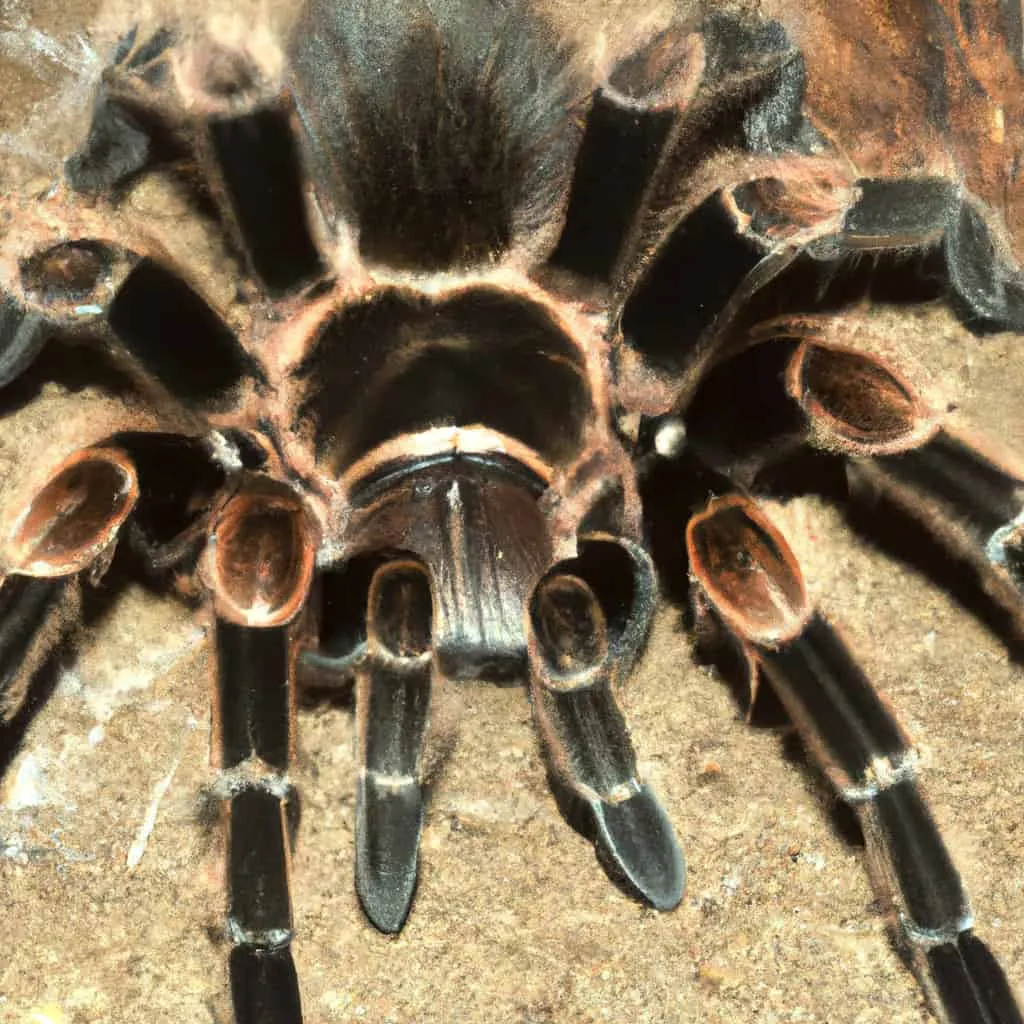
Understanding Tarantula Molting
Molting is a crucial process in the life of a tarantula, essential for growth and overall health. It’s a natural occurrence where the tarantula sheds its exoskeleton, which becomes too small as the spider grows. This process allows the tarantula to replace old, worn-out parts, repair injuries, and increase in size. Understanding molting is fundamental to providing proper care and ensuring the well-being of your pet tarantula. During the molting phase, tarantulas are particularly vulnerable, so it’s important to recognize the signs and provide an environment that supports a successful molt.
Why is Molting Important for Tarantulas?
Molting is not merely about size; it’s a comprehensive rejuvenation process. The exoskeleton, made of chitin, doesn’t grow, so as the tarantula expands, it must shed the old one. This allows for new growth and replacement of internal organs, including the lining of the respiratory system and book lungs. During a molt, the tarantula essentially gets a ’new’ version of itself, free from parasites and wear-and-tear. It’s a vital step for maintaining health, facilitating growth, and ensuring the tarantula can continue its life cycle.
Signs Your Tarantula is About to Molt

Recognizing the signs of an impending molt is critical for your tarantula’s safety. Common indicators include a loss of appetite, lethargy, and a change in behavior. The tarantula may spend more time hiding or burrowing. You might notice a darkening of the abdomen or the development of a bald patch on the abdomen, especially in larger species. The tarantula may also start producing webbing on the substrate in preparation for molting. It is important to avoid disturbing the tarantula at this stage and maintaining stable environmental conditions.
The Molting Process Explained
The molting process itself is an amazing spectacle. The tarantula will typically lie on its back. The old exoskeleton splits, usually at the carapace (the top shell) or the abdomen. The tarantula then slowly wriggles out of its old shell, leaving behind a perfect, though empty, replica of itself. This is a vulnerable time, as the new exoskeleton is soft. The tarantula will remain in place, allowing its new exoskeleton to harden. The entire process can take anywhere from a few minutes to several hours, depending on the tarantula’s size and the environment.
5 Tasty Treats for Tarantula After Molt
After a successful molt, your tarantula will be hungry and in need of a good meal to regain its strength and build its new exoskeleton. It’s important to provide the right kind of food to ensure optimal health and growth. Here are five excellent food options to consider for your tarantula after molting, each offering unique benefits and nutritional profiles. Remember to adjust the size of the food items to match the size of your tarantula, and always remove any uneaten food to maintain a clean and healthy enclosure.
Crickets as a Post-Molt Meal

Crickets are a staple food for many tarantula keepers, and they’re an excellent choice after a molt. They are readily available, relatively easy to keep, and provide a good source of protein. Crickets are also a good source of chitin, which is essential for the development of a new exoskeleton. However, ensure the crickets are gut-loaded (fed nutritious food before being offered to your tarantula) to maximize their nutritional value. Size the crickets appropriately to avoid any risk to your tarantula.
Benefits of Crickets
- High protein content
- Readily available and easy to source
- Good source of chitin
- Can be gut-loaded for enhanced nutrition
- Stimulate natural hunting behavior
Mealworms for a Protein Boost
Mealworms are another popular choice, providing a significant protein boost. They are easy to store and breed, making them a convenient food option. Mealworms are readily accepted by many tarantulas and can be a good alternative to crickets, especially if you’re looking for variety. However, mealworms have a higher fat content than crickets, so they should be offered in moderation. It’s important to monitor your tarantula’s weight and overall health when feeding mealworms regularly.
Nutritional Value of Mealworms

- High protein content
- Easy to store and breed
- Convenient food source
- Provide variety in diet
Roaches as a Staple Food
Roaches, particularly Dubia roaches, are a nutritionally superior food source for tarantulas. They have a higher protein-to-fat ratio compared to crickets and mealworms. Roaches are also less likely to burrow or escape in your tarantula’s enclosure. They move slowly, making them an easier prey item for the tarantula. Roaches can be more challenging to source initially, but the nutritional benefits make them an excellent choice as a staple food.
Why Roaches are a Good Choice
- High protein-to-fat ratio
- Less likely to burrow or escape
- Easier to catch for tarantulas
- Excellent nutritional profile
Waxworms for Occasional Treats

Waxworms are a high-fat treat that should only be given occasionally. They are irresistible to tarantulas, but too many waxworms can lead to obesity and other health problems. Consider waxworms as a supplemental treat, much like a special dessert. Waxworms can be a good option to tempt a tarantula that may be reluctant to eat, but they shouldn’t be a regular part of the diet.
Caution with Waxworms
- High fat content, use sparingly
- Can lead to obesity if overfed
- Best used as an occasional treat
Pre-Killed Food Options
For some keepers, offering pre-killed food is a convenient and ethical option. Pre-killed insects eliminate the risk of the prey harming the tarantula and also removes the need to house live insects. You can find pre-killed crickets, roaches, and mealworms, which are available frozen or freeze-dried. Ensure that you thaw frozen food completely before offering it to your tarantula, and remove it after a reasonable time if uneaten to prevent spoilage.
Why pre-killed food is suitable

- Convenient for keepers
- Reduces risk of injury to the tarantula
- Available in various forms (frozen, freeze-dried)
- Ethical choice for some keepers
Feeding Your Tarantula After Molt
Knowing when and how to feed your tarantula after molting is crucial to its recovery and growth. It’s essential to allow the tarantula’s new exoskeleton to harden before offering food. This prevents damage to the soft, newly molted spider. Observe your tarantula’s behavior and appearance to determine the optimal time to resume feeding, as well as the appropriate food quantity and frequency.
When to Start Feeding Again
Wait at least a week after a molt before offering food. The exact time will depend on the tarantula’s size and species, as well as the humidity and temperature of the enclosure. The new exoskeleton will be soft and vulnerable immediately after molting. Observe the tarantula for signs that its fangs have hardened, and its legs are firm. A good indication is if the tarantula is moving around normally and behaving actively again.
How Much to Feed Your Tarantula

The amount of food to offer depends on the tarantula’s size, age, and species. As a general rule, offer one or two appropriately sized prey items. Remove any uneaten food within 24 hours to prevent mold and mites. Juvenile tarantulas need to be fed more frequently than adults, sometimes as often as twice a week, while adult tarantulas can often be fed every one or two weeks. Adjust the feeding schedule based on your tarantula’s appetite and overall condition.
Monitoring Your Tarantula’s Appetite
Keep a close watch on your tarantula’s eating habits. A healthy tarantula will usually show a strong appetite. If your tarantula consistently refuses food, there could be a problem, such as a nearing molt, environmental issues, or illness. Monitor the tarantula’s weight and body condition. An obese tarantula can become sluggish and unhealthy. If you have concerns, consult with an experienced tarantula keeper or a veterinarian familiar with arachnids.
Common Mistakes to Avoid
Avoiding common mistakes can ensure a successful molting and feeding process. These mistakes can cause stress and negatively impact your tarantula’s health. Being informed of these factors will give the keeper confidence in providing the best care possible.
Overfeeding

Overfeeding is a common mistake that can lead to obesity, which can shorten a tarantula’s lifespan and cause health issues. Stick to a regular feeding schedule and offer the appropriate amount of food. Avoid feeding your tarantula excessive amounts of high-fat foods, like waxworms, unless used sparingly as treats.
Feeding too soon after molt
Feeding a tarantula too soon after a molt is one of the most damaging mistakes a keeper can make. The new exoskeleton is soft, and the tarantula is very vulnerable. Offering food too early can damage the newly formed exoskeleton, leading to injury or even death. Wait at least a week, and ensure the tarantula’s fangs and legs have hardened before feeding it.
Conclusion
Providing the right food after a molt is an essential part of responsible tarantula care. By understanding the molting process, selecting the appropriate foods, and avoiding common mistakes, you can ensure your tarantula thrives. Remember to observe your tarantula’s behavior and eating habits and adjust your care routine accordingly. With proper care, your tarantula will enjoy a long and healthy life, continuing to fascinate you with its unique biology and beauty.