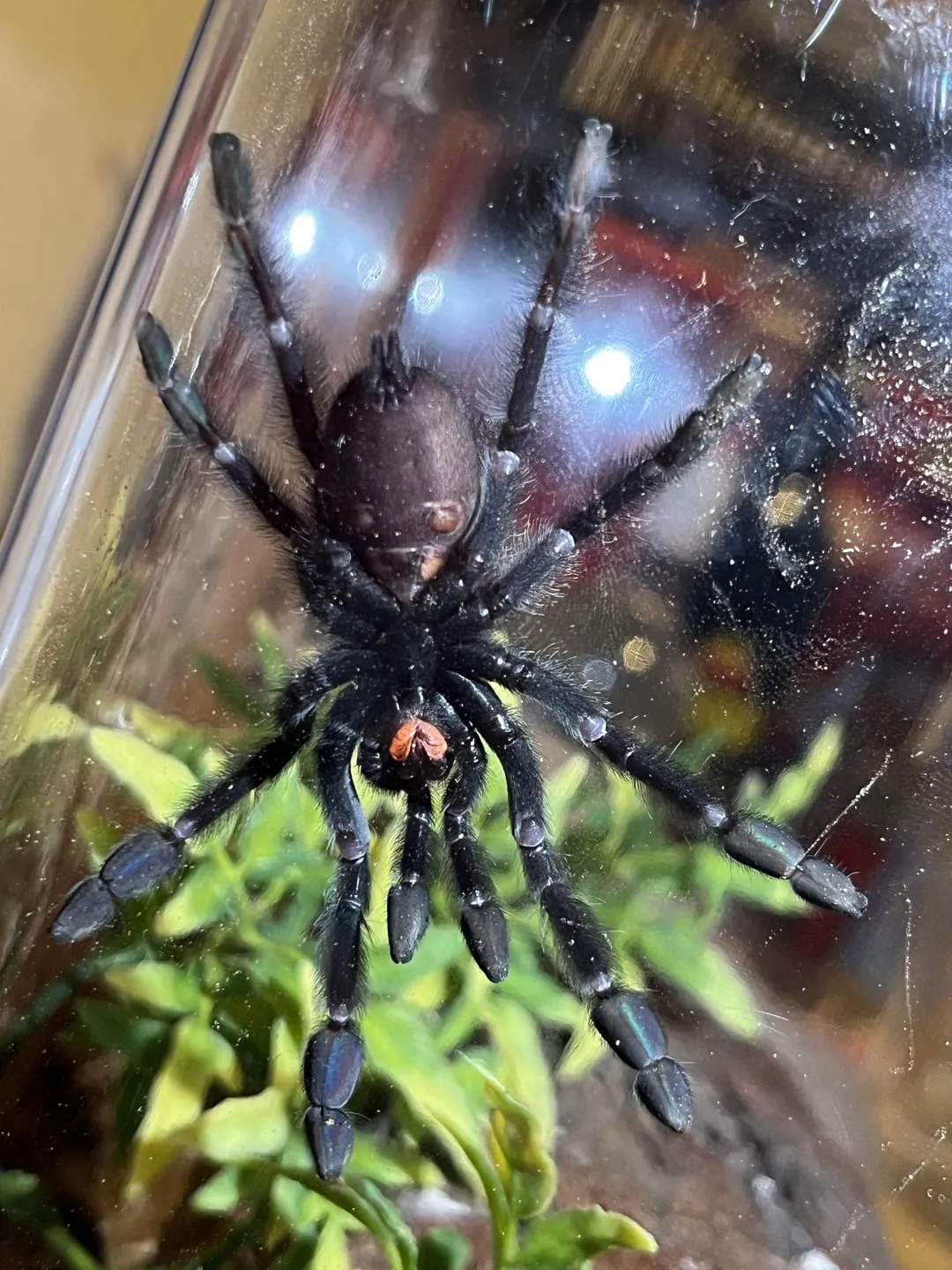
Understanding Tarantula Molting Process
Tarantulas, like all arthropods, have an exoskeleton, a hard outer shell that protects their body. This exoskeleton, however, doesn’t grow. As a tarantula grows, it needs a new, larger ‘skin.’ This process of shedding the old exoskeleton and growing a new one is called molting. Molting is a crucial part of a tarantula’s life cycle, enabling growth and the replacement of lost limbs or damaged body parts. The frequency of molting varies depending on the tarantula’s age, species, and environmental conditions. Understanding the molting process is the first step in learning how to determine your tarantula’s gender.
What is Molting?
Molting, or ecdysis, is the process by which a tarantula sheds its exoskeleton. Before molting, the tarantula creates a new, larger exoskeleton underneath the old one. This process takes several weeks or even months. During this time, the tarantula may become less active, stop eating, and may appear to have a darker or duller coloration. The actual molting process involves the tarantula splitting its old exoskeleton, usually along the carapace (the top part of the cephalothorax, or head and chest), and wriggling out. The process is delicate, and tarantulas are vulnerable during this time. After molting, the tarantula will be soft and vulnerable until the new exoskeleton hardens.
Why Do Tarantulas Molt?

Tarantulas molt for several reasons. Primarily, molting allows the tarantula to grow. Since the exoskeleton doesn’t stretch, the tarantula must shed it to increase in size. Molting also allows tarantulas to replace lost limbs. If a tarantula loses a leg, it will often regrow it during the next molt. Furthermore, molting helps to remove parasites and other debris that may have accumulated on the exoskeleton. The molting process is a complete renewal, allowing the tarantula to maintain its health and continue to grow. It is an essential part of tarantulas life cycle, and a sign of healthy growth.
How Often Do Tarantulas Molt?
The frequency of molting varies greatly depending on the tarantula’s age and species. Juvenile tarantulas molt more frequently, sometimes every few months, as they are growing rapidly. As they mature, the molting frequency decreases. Adult tarantulas may only molt once a year, or even less often. Environmental factors, such as temperature and humidity, can also affect molting frequency. Proper care and a suitable environment are essential for encouraging healthy molts. It’s important to monitor your tarantula’s behavior and appearance for signs of an impending molt, such as loss of appetite and a dull appearance.
Identifying Tarantula Gender Through Molt
One of the most reliable methods for determining a tarantula’s gender is by examining its molt, or exuvium. This is because the sexual organs of tarantulas are located internally, and they leave a ‘mold’ of these parts in the shed exoskeleton. By carefully examining the molt under magnification, you can identify specific characteristics that indicate the tarantula’s gender. This method is far more accurate than relying on external characteristics, which can sometimes be misleading, especially in younger specimens. The key is to look for the presence or absence of specific features on the underside of the molt, specifically the presence of spermathecae in females.
Examining the Exuvium

The exuvium, or shed exoskeleton, provides a wealth of information about your tarantula, including its gender. To examine the molt, you will need a well-lit area, a magnifying glass or microscope, and potentially a pair of tweezers. Carefully remove the molt from the enclosure, taking care not to damage it. Lay the molt flat, with the underside facing up. This is where you will find the key indicators of gender. Gently unfold the molt, particularly the abdomen area, to get a clear view of the structures that will help you determine gender. Proper lighting is crucial; using a bright desk lamp can make it easier to identify the subtle features that distinguish males from females.
Spermathecae Identification
The most definitive way to determine the gender of a tarantula through its molt is by identifying the presence or absence of spermathecae. Spermathecae are the female reproductive organs that store sperm. In the molt, these structures will appear as two distinct sacs, which can vary in shape depending on the species. Males do not possess spermathecae, so their molts will not show these structures. The presence of spermathecae is a clear indication that the tarantula is female. The shape, size, and specific details of the spermathecae can even help you identify the species of the tarantula if the molt is well-preserved.
How to Examine a Tarantula’s Molt
When examining a tarantula’s molt, start by gently unfolding it and laying it flat under good lighting. Using a magnifying glass or microscope, carefully examine the underside of the abdomen. Look for the spermathecae. In females, these structures will be visible as two distinct sacs or pouches. They may be located towards the front of the abdomen. In males, you will not see these structures. Also look for the presence of ‘hooks’ on the front legs of males, used for mating, though this is less definitive than examining the abdomen. Take your time, be patient, and don’t be afraid to consult resources or guides to assist with identification.
What to do with the Molt

After examining the molt, you have a few options. You can keep the molt as a record of your tarantula’s growth and gender. Some keepers store molts in a safe place as a way to track their tarantula’s progress. You can also use the molt to help identify the species of your tarantula, if the molt is intact and shows the key characteristics. Alternatively, you can discard the molt. Whether you keep it or discard it, it’s important to understand that the molt itself provides valuable information about your tarantula’s life and health. Properly handling and storing the molt is important to maintain its integrity and make future examinations easier.
Things to Consider When Determining Gender
When determining the gender of your tarantula from a molt, there are several things to keep in mind. Ensure you have adequate lighting and magnification. Cleanliness of the molt is essential; remove any debris or substrate that might obscure your view. It is also important to handle the molt with care, avoiding tearing or damaging it. Comparing the molt to images and guides of specific species is also a useful practice. Keep in mind that the accuracy of gender determination increases with the size and age of the tarantula; it’s easier to identify gender in mature specimens. Also, be patient; it may take some practice before you become confident in your ability to identify gender through molts.
Common Mistakes to Avoid
There are some common mistakes to avoid when attempting to determine the gender of a tarantula from its molt. One common mistake is to rely on external features only, such as the overall size or leg length. These are not reliable indicators of gender. Another mistake is not having enough magnification or lighting, which can lead to misidentification of the spermathecae. It’s also important to avoid damaging the molt during handling. Another mistake is not comparing the molt to reference materials such as photos or diagrams. It is also important to be patient and avoid rushing the process.
Differences Between Male and Female Molts

The primary difference between male and female tarantula molts is the presence or absence of the spermathecae. As mentioned previously, females possess spermathecae, which will appear as distinct sacs or pouches on the underside of the molt’s abdomen. Males lack these structures. Another difference, particularly in mature males, is the presence of mating hooks on the front legs, which are used to hold the female’s fangs during mating. Although, this is a less reliable indicator. By carefully examining the abdomen for spermathecae, you can accurately determine the gender of your tarantula. Furthermore, the general condition of the molt can tell you something about the tarantula’s health.
Determining the gender of your tarantula through its molt is a fascinating and rewarding aspect of tarantula keeping. By understanding the molting process, carefully examining the exuvium, and looking for the key indicators, you can accurately identify the gender of your tarantula. This knowledge can help you better understand your pet’s needs and plan for its future. Remember to take your time, use the right tools, and consult reliable resources to guide you. Happy tarantula keeping!