What is Tarantula Molting
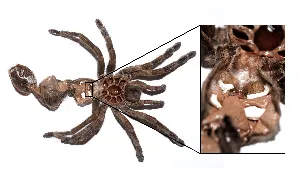
Tarantula molting is a fundamental biological process that all tarantulas undergo as they grow. It is essentially the shedding of their exoskeleton, which is the hard, protective outer layer that encases their body. This exoskeleton, made of chitin, doesn’t grow, so as the tarantula increases in size, it must shed its old one and produce a new, larger one. This process is not just about size; it also allows the tarantula to regenerate lost limbs, replace damaged parts, and get rid of internal parasites. Molting is a vulnerable time for the tarantula, as the new exoskeleton is soft and pliable. Understanding molting is crucial for any tarantula keeper, as it impacts care and handling.
The Molting Process
The molting process is a fascinating and complex series of events. It begins internally, with the formation of a new exoskeleton beneath the old one. Enzymes are released that begin to dissolve the connection between the old exoskeleton and the tarantula’s body. The tarantula then begins to absorb fluids, which causes it to swell and split the old exoskeleton, usually along the carapace (the top part of the cephalothorax) or the abdomen. The tarantula then wriggles out of the old exoskeleton, leaving behind a perfect replica of itself. This entire process can take anywhere from a few hours to several days, depending on the tarantula’s size, age, and the environmental conditions.
Preparing for the Molt
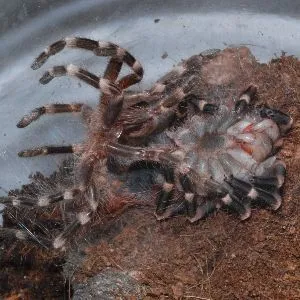
Before a tarantula molts, it often enters a pre-molt phase. During this time, the tarantula’s behavior and appearance change, signaling that a molt is imminent. As a tarantula keeper, recognizing these signs is crucial for providing the appropriate care and ensuring a successful molt. This preparation phase can involve several adjustments, both in the tarantula’s behavior and the environment it lives in. The tarantula will start building web mats and slowing down their movement, this is a good sign that the molting process has started.
Environmental Factors
Maintaining the right environmental conditions is essential to support a healthy molt. Ensure that the enclosure has appropriate humidity levels, which are generally achieved through regular misting or the use of a water dish. The substrate should be suitable for burrowing species, allowing the tarantula to create a safe space for the molt. Temperature is another important factor, and the enclosure should be kept within the appropriate range for the species. Consistency in these conditions is crucial to minimize stress and maximize the chances of a successful molt. Proper environmental control significantly reduces the risk of molting problems, such as a stuck molt.
Signs Your Tarantula Will Molt
Identifying the signs that your tarantula is about to molt is critical for responsible pet ownership. Several behavioral and physical changes can indicate an upcoming molt. Careful observation allows you to adjust care and minimize stress during this vulnerable period. Recognizing these indicators gives you the opportunity to provide a safe environment and avoid unnecessary disturbances. This proactive approach can increase the chances of a successful and healthy molt.
Behavioral Changes

One of the most noticeable behavioral changes is a reduction or complete cessation of feeding. The tarantula may refuse food for several weeks leading up to the molt. They may also become less active, spending more time in their hide or burrow. Some tarantulas may even seal off their burrows with webbing to create a secure molting chamber. These behavioral shifts are natural preparations for the energy-intensive process of molting and should not be a cause for concern if the tarantula appears otherwise healthy.
Physical Changes
Physical changes are another key indicator of an impending molt. The abdomen may appear darker and more translucent, and you might notice a bald spot on the abdomen, which is the area where the hairs are shed. The tarantula’s fangs might look duller or more opaque, and the new fangs will be forming underneath the old ones. Some species also show changes in the coloration of their legs or other body parts. These changes are a sign that the new exoskeleton is ready, and the old one is about to be shed.
What to Do During Molting
When your tarantula begins to molt, it is crucial to provide a safe and undisturbed environment. The less the tarantula is disturbed, the better its chances of a successful molt. Minimize any potential stressors and ensure the environment is conducive to the process. Careful observation is important, but intervention should be limited unless there are clear signs of trouble. Providing a safe space allows the tarantula to focus on shedding its exoskeleton without interruption.
Providing a Safe Environment

Remove any potential hazards from the enclosure, such as heavy decorations or items that could fall and injure the tarantula. Ensure the enclosure is in a quiet location, away from loud noises, vibrations, or bright lights. Maintain the correct temperature and humidity levels to promote a smooth molt. If the tarantula is in a burrow, avoid disturbing it. Creating a secure space significantly reduces the risk of complications and promotes a healthy molting experience. The stability of the environment contributes to the tarantula’s well-being during this crucial time.
Do Not Disturb
The most important thing to do during a tarantula molt is to leave it alone. Avoid handling the tarantula or opening the enclosure unless absolutely necessary. Do not attempt to assist the tarantula in any way, as this could cause injury. Observe the process from a distance and monitor for any signs of trouble, but otherwise, allow the tarantula to molt at its own pace. Minimize stress and provide a sense of security by avoiding any disturbances during the molting process.
Post-Molt Care
After a successful molt, your tarantula will be in a vulnerable state. Its new exoskeleton will be soft and it will need time to harden. Proper care during this time is essential to ensure its health and well-being. This includes providing the correct diet and allowing the tarantula to recover without disturbance. The recovery period is critical for the tarantula to regain its strength and resume normal activities. Providing optimal conditions after molting helps your tarantula thrive.
Feeding Your Tarantula
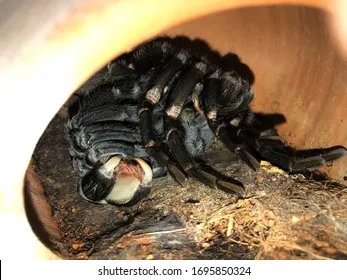
Do not offer food immediately after a molt. The tarantula’s fangs and chelicerae (mouthparts) are soft and not fully functional. Wait at least a week, or until the fangs have hardened, before offering food. Start with smaller, softer prey items to ensure the tarantula can eat without difficulty. Monitor the tarantula’s eating behavior to ensure it is recovering well. Proper nutrition is vital for the tarantula to regain strength and health after expending energy molting.
Handling Your Tarantula
Avoid handling your tarantula for at least a week or two after it molts. The new exoskeleton is still hardening and can be easily damaged. Handling can also be stressful for the tarantula during this vulnerable period. Allow it time to fully recover and regain its strength before resuming any handling. Patience is key to ensuring your tarantula’s well-being. During this period, let your tarantula be and keep the handling to a minimum.
Common Problems During Molting
Although molting is a natural process, sometimes things can go wrong. Recognizing these potential problems and understanding what to do can help you support your tarantula. Being aware of common complications can assist in providing the proper care. Addressing these issues swiftly is essential for your tarantula’s health. It is crucial to know what to look out for during the molting process.
Stuck Molt
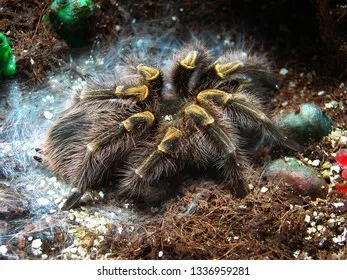
A stuck molt occurs when the tarantula cannot fully shed its old exoskeleton. This can be caused by low humidity, dehydration, or other environmental stressors. If you notice that your tarantula is struggling to molt, try gently misting the enclosure to increase humidity. Avoid attempting to pull the exoskeleton off, as this could severely injure the tarantula. If the tarantula is unable to free itself, it might require professional veterinary assistance. Prevention through proper husbandry is the best approach to avoid a stuck molt. This can be a fatal issue to the tarantula.
Leg Loss
Sometimes, a tarantula can lose a leg during molting, particularly if the molt is difficult or the tarantula gets stuck. While this can be alarming, tarantulas can regenerate lost limbs over several molts. Provide the tarantula with a stress-free environment and ensure it has access to food and water. The lost leg will gradually regrow with each subsequent molt. Support the tarantula during this regenerative process and provide the best possible care for its recovery. While it is not ideal to lose a limb, tarantulas are very good at regrowing them.
Conclusion
Tarantula molting is a critical and fascinating aspect of their life cycle. By understanding the molting process, recognizing the signs of an upcoming molt, and providing appropriate care, you can ensure the health and well-being of your tarantula. Remember to maintain proper environmental conditions, avoid disturbing the tarantula during the molt, and provide proper post-molt care. With careful observation and proactive care, you can witness the amazing transformation of your tarantula and enjoy the privilege of being a responsible tarantula keeper. Always prioritize your pet’s health.