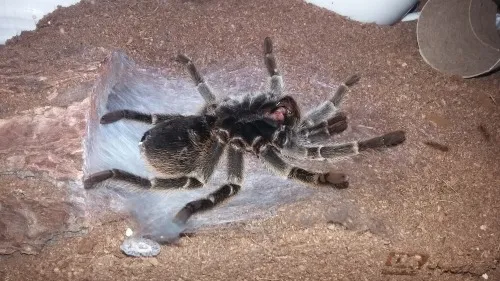
Understanding Tarantula Premolt What is it?
Tarantula premolt is a fascinating and crucial phase in the life cycle of these amazing creatures. It’s the period leading up to a tarantula’s molt, where they shed their exoskeleton to grow and regenerate. This process is essential for their health and longevity, allowing them to replace worn or damaged parts and increase in size. Recognizing the signs of premolt is vital for any tarantula owner, as it allows you to provide the appropriate care and ensure a safe molting experience for your pet. The frequency of molting varies depending on the tarantula’s age and species, with younger tarantulas molting more often than adults. During premolt, a tarantula undergoes significant internal and external changes, making it important to understand these indicators to provide the best possible environment for a successful molt. Being prepared and informed can significantly increase the chances of a healthy molt and a happy tarantula.
Recognizing the Top 5 Premolt Signs
Identifying the signs of tarantula premolt is key to providing appropriate care. Several indicators can help you determine if your tarantula is preparing to molt. Recognizing these signs allows you to adjust your care routine to ensure a safe and stress-free molting process. These signs can vary slightly between different species and individual tarantulas, but observing these key indicators will help you prepare for the upcoming molt. Paying close attention to your tarantula’s behavior and physical appearance during this time is crucial. Understanding these signs will contribute significantly to your ability to provide the best possible care and support for your pet during this important phase.
Loss of Appetite in Tarantulas

One of the most noticeable signs of tarantula premolt is a loss of appetite. Your tarantula may refuse to eat, even if offered its favorite meal. This behavior is a clear signal that molting is imminent. The tarantula’s body is preparing for the molt, and it will conserve energy by not eating. The duration of the loss of appetite can vary, lasting from a few days to several weeks, depending on the tarantula’s age and species. If your tarantula suddenly stops eating and shows no interest in food, it’s a strong indication that premolt has begun. It’s essential not to force-feed your tarantula during this period, as it can stress the animal. Simply remove any uneaten food and continue to monitor your pet for other premolt signs.
Darkening of the Abdomen
Another common sign of premolt is the darkening of the tarantula’s abdomen. As the new exoskeleton forms beneath the old one, the abdomen may appear darker, almost black in some cases. This darkening is a visual cue that the molting process is underway. This change is more pronounced in some species than others. The darkness is caused by the new exoskeleton developing beneath the old one, which makes the abdomen appear fuller and darker. By observing this darkening, you can get a clearer picture of when the molt is likely to occur. This is a reliable sign that indicates your tarantula is getting ready to shed its old skin and enter a new phase of growth. Regularly observing your tarantula will make it easier to recognize subtle changes.
Changes in Behavior
Behavioral changes are also indicative of the premolt phase. Your tarantula may become less active than usual, spending more time in its burrow or hiding spot. It might also become more irritable or defensive if disturbed. Some tarantulas may seal themselves inside their burrows or retreat under hides. These changes are related to the stress of the molting process. These alterations in behavior show that the tarantula is focusing on preparing for the molt and minimizing disturbances. It’s important to avoid handling or disturbing your tarantula during this time to reduce stress. Providing a calm and secure environment is essential for a successful molt, allowing your tarantula to focus on the process without added stress. This is a critical time to respect your tarantula’s need for solitude.
Appearance of Bald Spots

The appearance of bald spots is another visual indicator of premolt. As the tarantula prepares to molt, it may start to lose hairs from its abdomen and other body parts, resulting in bald patches. These hairs are usually kicked off as a defense mechanism. The presence of bald spots can be a good indicator of the stage of the premolt process. The size and number of bald spots can vary. The tarantula is essentially shedding its outer layer, preparing for the new skin underneath. Monitoring the development of bald spots can provide a clearer timeline for when the molt might occur. This sign, when combined with others, offers a comprehensive view of your tarantula’s premolt condition and molting readiness.
Refusal to Eat
A tarantula’s refusal to eat is a very common sign of premolt. This is often one of the first indicators you’ll notice. When a tarantula is preparing to molt, it will conserve energy and cease eating. It’s important not to worry or try to force-feed your tarantula at this time. The loss of appetite is a natural part of the process. If your tarantula is showing other signs of premolt, the refusal to eat is very likely related to the upcoming molt. Simply remove any uneaten food and keep the enclosure clean. The duration of the refusal to eat can vary. Your tarantula will resume eating once the molt is complete. This behavior change indicates the tarantula’s internal preparation for the shedding of its exoskeleton.
Preparing for the Premolt Process
Preparing for the premolt process is about ensuring a safe and stress-free environment for your tarantula. There are several steps you can take to provide the best care. This ensures the tarantula can successfully shed its exoskeleton. By taking these actions, you can help your tarantula manage the premolt phase. Preparing your tarantula’s habitat creates a safe space for molting. The main goal is to avoid any unnecessary disturbances during this sensitive time. Your goal is to provide a stress-free environment to facilitate a healthy molt.
Providing a Safe Environment

A safe environment is essential during the premolt phase. Ensure the enclosure is clean and free of any potential hazards. Remove any uneaten food, as it could attract mites or other pests. Provide a hide or burrow where your tarantula can retreat and feel secure. Ensure the enclosure has proper ventilation to prevent mold growth. Maintaining the correct humidity level for your tarantula’s species is also important. A stable environment helps reduce stress during the molting process. A safe enclosure provides a secure place. These factors will minimize disruptions. All these steps help create a secure area for the molt.
Avoiding Disturbances
Avoiding disturbances is crucial during premolt. Minimize handling your tarantula during this time. Avoid sudden movements or loud noises near the enclosure. Keep the enclosure in a location away from high traffic areas to reduce stress. The molting process is very delicate. Any disturbance could potentially disrupt the molt. Ensure you only make necessary checks of the enclosure. Observing from a distance is best. Providing a calm and quiet environment will improve the chance of a successful molt. Minimizing stress ensures your tarantula can focus on molting.
Post-Premolt Care After Molting
After your tarantula has molted, it will need a period of recovery. The tarantula’s new exoskeleton will be soft. Avoid handling your tarantula for a week or two after the molt. This allows the exoskeleton to fully harden. Provide fresh water and begin offering food again. Start with smaller meals to avoid stressing the tarantula. The tarantula will usually start eating again within a few days. After molting, your tarantula will be more vulnerable. The new exoskeleton needs time to harden completely. Keeping the enclosure clean and observing your tarantula is crucial. Once the exoskeleton hardens completely, your tarantula will return to its regular activities, bigger and stronger than before.
In conclusion, understanding the signs of tarantula premolt and providing the right care is essential for the well-being of your pet. By recognizing the indicators of premolt, preparing the environment, and avoiding disturbances, you can help ensure a safe and successful molting process. Always observe your tarantula closely and adjust your care routine accordingly. Remember, patience and a keen eye are key to providing excellent care for your tarantula. By following these guidelines, you’re helping your tarantula thrive and live a long, healthy life.