The World of Tarantulas
Tarantulas, members of the Theraphosidae family, are among the largest spiders in the world, captivating both scientists and enthusiasts. These fascinating arachnids have roamed the Earth for millions of years, evolving into a diverse group with unique characteristics. Their imposing size, hairy bodies, and intriguing behaviors often spark curiosity and, sometimes, apprehension. Understanding these creatures involves exploring their classification, the vast array of species, their ecological roles, and their interactions within various ecosystems. From the dense rainforests to arid deserts, tarantulas have successfully adapted to a wide range of environments, making them a remarkable subject of study and admiration. Their significance extends beyond the realm of zoology, as they frequently appear in popular culture, symbolizing both fear and wonder, further solidifying their place in the public consciousness.
What are Tarantulas?
Tarantulas are large, hairy spiders characterized by their robust build and impressive size. Belonging to the infraorder Mygalomorphae, they are distinguished by their two pairs of book lungs, chelicerae that move downwards, and generally, their relatively long lifespans. Unlike many other spider families, tarantulas typically have a less potent venom, though their bite can still be painful due to their large fangs. Their bodies are covered in fine hairs, some of which are urticating, acting as a defense mechanism against predators. The various species display a wide array of colors and patterns, allowing them to blend with their surroundings and camouflage effectively. Furthermore, tarantulas are nocturnal hunters, relying on sensory hairs to detect vibrations and locate their prey, which mainly consists of insects and small animals. Their complex behaviors, including courtship rituals and molting processes, offer a fascinating glimpse into the intricate lives of these impressive creatures.
Diversity in the Tarantula Family

The tarantula family encompasses a remarkable diversity of species, with new ones being discovered regularly. These spiders exhibit a wide range of sizes, colors, and behaviors, allowing them to occupy various niches within their respective ecosystems. From the vibrant blues of the Cobalt Blue Tarantula to the imposing size of the Goliath Birdeater, each species possesses unique characteristics that aid in survival. The family includes terrestrial, arboreal (tree-dwelling), and burrowing species, each with specific adaptations to their habitat. Some species have developed elaborate courtship rituals, while others exhibit specialized hunting techniques. The ongoing research and classification efforts continue to refine the understanding of the phylogenetic relationships and evolutionary history of these diverse arachnids, revealing the remarkable adaptability and beauty of the tarantula family. The variations in their habitats, from tropical rainforests to arid deserts, underscore their evolutionary success.
Top 5 Amazing Facts About Tarantula Species
Fact 1: Size and Appearance
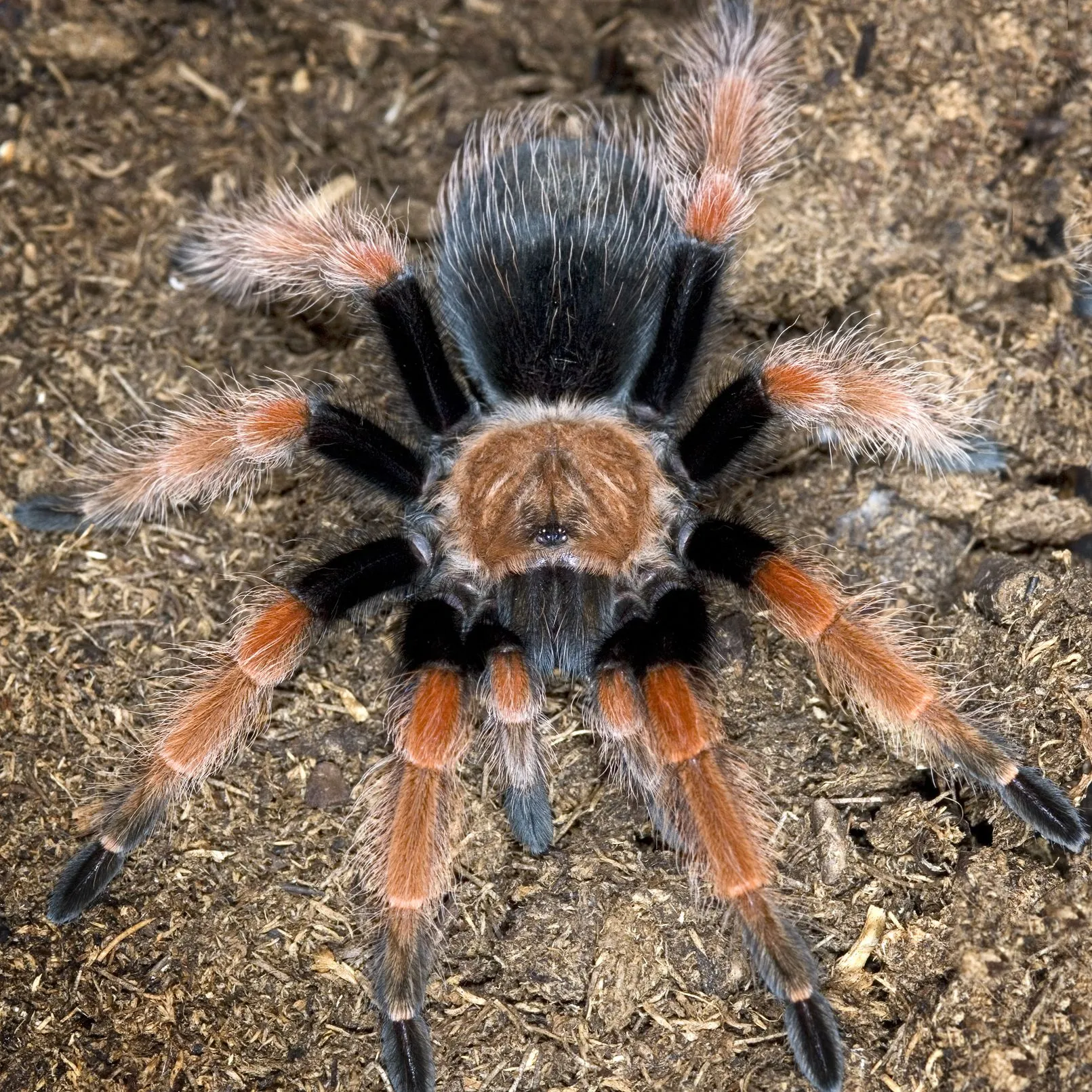
Tarantulas are among the largest spiders in the world, with some species, such as the Goliath Birdeater (Theraphosa blondi), boasting leg spans that can exceed 12 inches. Their bodies are covered in dense hairs, providing both sensory information and camouflage. Colors range widely, from earthy browns and blacks to vibrant blues, greens, and oranges, depending on the species and habitat. The females are typically larger and heavier than males, and their bodies are robust, designed to support egg sacs. Their imposing size and striking appearance often make them a focal point of fascination and fear. The impressive size contributes significantly to their predatory prowess, allowing them to hunt a wide range of prey.
Fact 2: Habitat and Distribution

Tarantulas inhabit diverse habitats across the globe, including tropical rainforests, grasslands, deserts, and even some temperate regions. They are found in North and South America, Africa, Asia, and Australia. Different species have adapted to specific environments, with some living in burrows, others in trees, and some on the ground. Their distribution is often influenced by factors such as temperature, humidity, and the availability of prey. They have successfully colonized a wide array of ecological niches, showcasing their remarkable adaptability. The varied habitats contribute significantly to the diversity seen within the tarantula family, with each species evolving unique characteristics to survive in its specific environment. They often camouflage to blend with the terrain and ambush prey.
Fact 3: Diet and Feeding Habits
Tarantulas are primarily carnivorous, feeding on insects, small mammals, birds, reptiles, and amphibians. Their diet varies based on their size, habitat, and the availability of prey. They are ambush predators, using their venom to subdue and paralyze their victims. Once the prey is immobilized, the tarantula uses digestive enzymes to break down the tissues, effectively liquefying the meal, which it then sucks up. The feeding behavior often involves a lengthy process, with the tarantula meticulously consuming the nutrients from the carcass. The efficiency of their feeding habits underscores their evolutionary success, allowing them to thrive in a variety of environments. Their ability to consume a diverse range of prey also ensures their survival in fluctuating environmental conditions.
Fact 4: Lifespan and Growth
Tarantulas have relatively long lifespans compared to other spiders, with females often living for 10 to 30 years or more, while males typically live for only a few years after reaching maturity. Growth occurs through molting, where the tarantula sheds its exoskeleton to allow for growth. This process is vulnerable, as the spider is soft and defenseless. The frequency of molting decreases as they mature. The lifespan is significantly affected by environmental conditions and the availability of food. The extended lifespan and growth processes are integral aspects of their survival strategy. The process of molting is crucial for growth, during which the spider is most vulnerable. The longevity of females further contributes to the species’ ability to reproduce and thrive.
Fact 5: Venom and Defense Mechanisms

Tarantulas possess venom, which they use to immobilize prey. However, their venom is generally not considered highly toxic to humans, with effects similar to a bee sting. In addition to venom, tarantulas have other defense mechanisms, including urticating hairs, which they flick off their abdomen to irritate potential threats. These hairs can cause skin irritation and discomfort upon contact. They also may bite if threatened, although they often prefer to flee or display a defensive posture. Their defense strategies are a complex interplay of various physical and chemical adaptations that help them survive. The diverse defense strategies are critical to their survival in various habitats. Urticating hairs and the ability to bite are essential deterrents.
Conservation Status and Threats
Many tarantula species face threats from habitat loss, deforestation, and the pet trade. The destruction of their natural environments due to human activities is a major concern. The collection of tarantulas for the pet trade can also impact wild populations, particularly if unsustainable. Conservation efforts are essential to protect these remarkable creatures. These include habitat preservation, sustainable collecting practices, and raising awareness about their ecological importance. Several organizations and researchers are working to assess the conservation status of tarantula species and implement strategies to mitigate threats. The conservation of tarantulas supports overall biodiversity. Protection of their habitats is critical.
Popular Tarantula Species for Pets
Certain tarantula species are popular pets due to their relatively docile temperaments, manageable size, and striking appearance. Some common choices include the Chilean Rose Hair, the Mexican Red Knee, and various species of the Avicularia genus. When keeping tarantulas as pets, it is crucial to provide appropriate housing, temperature, humidity, and a balanced diet. Responsible pet ownership also includes research on the specific needs of the species and understanding the potential risks and ethical considerations. The responsible pet trade is essential to avoid contributing to the decline of wild populations. Proper care ensures the tarantula’s well-being and safety.
Conclusion
Tarantulas are a fascinating group of spiders, showcasing remarkable diversity, adaptations, and behaviors. From their imposing size and vibrant colors to their varied habitats and intricate feeding habits, they continue to captivate and inspire. Understanding their biology, ecological roles, and the threats they face is crucial for their conservation. By appreciating the unique aspects of each species, we can foster a deeper appreciation for the rich biodiversity of the world and protect these remarkable arachnids for future generations. Their importance extends beyond simple curiosity, highlighting the delicate balance of ecosystems and the importance of conservation efforts. Their continued existence depends on responsible stewardship.