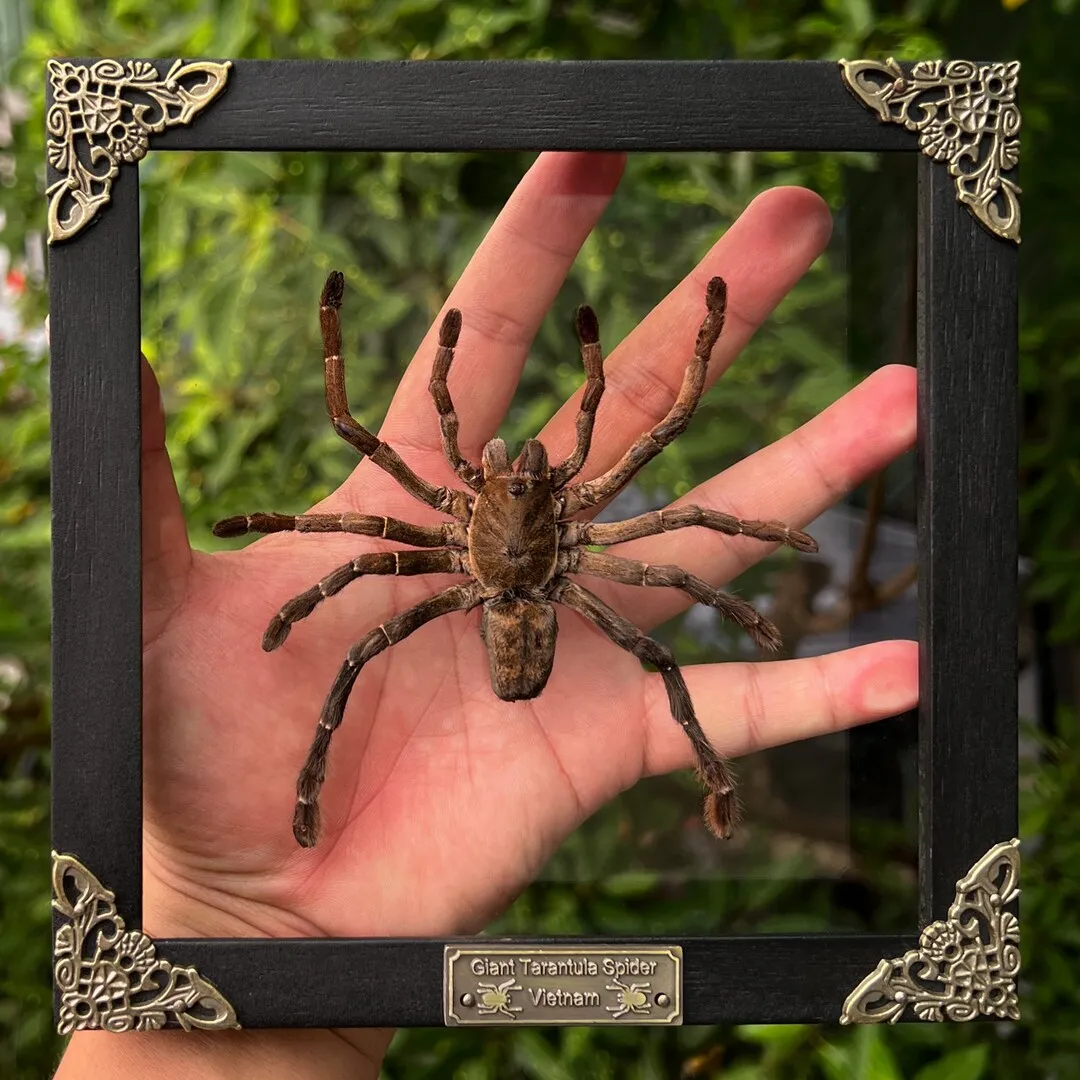
What is a Tarantula Spider
Tarantulas are large, hairy spiders belonging to the Theraphosidae family. These fascinating creatures are renowned for their imposing size and, in some species, vibrant coloration. They are often misunderstood, and this blog post aims to shed light on the world of tarantulas, specifically in the context of the UK. While not native to the UK, the presence of tarantulas, either as pets or, very rarely, as accidental introductions, sparks curiosity and necessitates understanding. This article will provide a comprehensive overview of tarantulas, focusing on their characteristics, habitats, behaviors, and some surprising facts, particularly regarding the UK context, dispelling common myths and promoting a more informed perspective on these intriguing arachnids.
Appearance and Characteristics
Tarantulas exhibit a wide range of appearances, but they typically share some common traits. They are characterized by their large size, often with a leg span that can reach several inches. Their bodies are divided into two main parts the cephalothorax (fused head and thorax) and the abdomen. They are covered in a coat of fine hairs, which can vary in color and texture depending on the species. Many species have striking colors, ranging from vibrant blues and oranges to more subdued browns and blacks. Their eight legs are strong and adapted for walking, climbing, and capturing prey. They also possess fangs, used to inject venom, and spinnerets at the end of their abdomen, which produce silk for creating webs and lining their burrows. Understanding these characteristics is crucial for identifying and appreciating tarantulas.
Size and Coloration

Size is a defining characteristic of tarantulas. The size varies greatly among species, with some being relatively small and others among the largest spiders in the world. Coloration is another key aspect, offering a stunning display of biodiversity. Some tarantulas showcase a blend of earthy tones, providing excellent camouflage, while others boast vivid colors, likely serving as a warning signal to predators. The variations in size and color add to their appeal, making them popular among arachnid enthusiasts. The size and coloration of a tarantula are key features to note when attempting identification, which is important for those who encounter them, especially if it’s a pet that has escaped or an introduced species in the UK.
Where Do Tarantulas Live
Global Distribution
Tarantulas inhabit a variety of habitats across the globe, thriving in warm climates. They are primarily found in tropical and subtropical regions, including North and South America, Africa, Asia, and Australia. Within these areas, they occupy diverse environments, such as rainforests, grasslands, deserts, and even mountainous regions. Their adaptability is notable, as they have evolved to survive in different conditions, utilizing various strategies for shelter and prey capture. The geographic distribution of tarantulas is a critical factor when considering the potential for UK encounters, as their natural habitats are far removed from the UK’s temperate climate.
UK Sightings

Sightings of tarantulas in the UK are extremely rare, and almost always involve escaped or released pet tarantulas. The UK’s climate is not suitable for these spiders to survive outdoors, so any tarantulas found are typically in domestic settings. It is crucial to remember that any tarantula found in the UK is unlikely to be a native species and will likely have been kept as a pet. If you encounter a tarantula in the UK, it is more than likely an escaped pet and not a naturally occurring population. Should you encounter one, it’s important to assess the situation calmly and carefully. The best course of action is to contact local animal control or a wildlife expert. The authorities can safely capture the spider and ensure its well-being.
Behavior and Habits
Diet and Predatory Behavior
Tarantulas are primarily ambush predators. They patiently wait for prey to come within striking distance, using their fangs to inject venom that immobilizes their target. Their diet consists mainly of insects, but larger species may also consume small vertebrates such as lizards, rodents, and birds. They have specialized mouthparts that allow them to break down their food into a liquid form, which they then consume. This predatory behavior is a crucial part of their survival, enabling them to obtain the necessary nutrients for growth, reproduction, and overall health. The hunting style and diet of a tarantula will vary based on its size and the environment it inhabits.
Lifespan and Reproduction

Tarantulas can live for many years, with some species living for over 20 years in captivity. Females typically live longer than males. Reproduction involves a complex mating ritual, where the male courts the female, often using visual displays or drumming vibrations. After mating, the female lays eggs in a silken sac, which she diligently guards until the spiderlings hatch. The lifespan and reproductive habits of tarantulas highlight their resilience and their significance in the ecosystem. In the UK, the lifespan of a tarantula will largely depend on if it’s a pet or not. The chance of seeing reproduction in the UK’s climate is very unlikely.
Tarantula Spider UK Top 5 Facts Revealed
Fact 1 Unique Venom
Tarantula venom, while potentially painful, is generally not considered lethal to humans. The venom is primarily designed to incapacitate their prey. While a tarantula bite can cause localized pain, swelling, and redness, serious medical complications are rare. The specific effects of the venom depend on the species of tarantula and the individual’s sensitivity. Despite the potential discomfort, a tarantula bite is not a serious health threat in most cases. Always seek medical attention if you have concerns or experience severe symptoms.
Fact 2 Their Big Size

Tarantulas are among the largest spiders in the world, with some species reaching impressive sizes. Their leg span can extend up to 12 inches or more. This imposing size can be a source of both fascination and apprehension. The size of a tarantula contributes to their predatory success, allowing them to capture a wide range of prey. This size is a key characteristic, making them easily distinguishable from other spiders, especially if you are in the UK.
Fact 3 The UK’s Climate
The UK’s climate is not conducive to the survival of tarantulas. The temperature is too cold for them to thrive outdoors, and the humidity levels are not ideal. This means that any tarantula sightings in the UK are almost always associated with pet ownership. Tarantulas need a warm and humid environment to survive, and the UK cannot provide this naturally. It is important to understand this fact to avoid panic or misconceptions about tarantula populations in the wild. The UK’s climate effectively limits the possibility of self-sustaining tarantula populations.
Fact 4 Their Interesting Habits
Tarantulas exhibit fascinating behaviors, including their molting process, where they shed their exoskeleton to grow. They also create silk webs for shelter and mating purposes, and can flick urticating hairs from their abdomens as a defense mechanism. Their varied hunting methods and social interactions are also quite interesting. The habits of tarantulas make them complex creatures that are interesting to study. Observing these behaviors provides insight into their adaptations, survival strategies, and ecological roles.
Fact 5 Their Popularity

Tarantulas are popular pets due to their relatively docile nature, interesting appearance, and manageable care requirements. Many people keep tarantulas as pets, and a large variety of species are available for purchase. Their longevity, diverse coloration, and unique behaviors contribute to their appeal. Owning a tarantula can be a rewarding experience, but it requires responsible care and understanding of their needs. Responsible pet ownership ensures both the safety and well-being of the tarantula, as well as the safety of the community and environment. This is especially important in the UK, where they are not native.
Are Tarantulas Dangerous
Handling and Safety
Tarantulas are generally not aggressive but can bite if threatened. Handling tarantulas should be done with caution, and it’s best to avoid it unless you are experienced. Always wash your hands before and after handling a tarantula. Never attempt to handle a tarantula unless you have a thorough understanding of its behavior and proper safety precautions. Remember, a bite might be painful, and some individuals may experience allergic reactions. If you are bitten, seek medical advice.
What to Do If You See One

If you encounter a tarantula in the UK, stay calm and maintain a safe distance. Observe the spider from afar and do not attempt to handle it. Contact local animal control or a wildlife expert. They can safely capture the spider and ensure its well-being. Accurate identification of the spider and its origin is essential for determining the best course of action. Do not attempt to capture the spider yourself, as this may result in injury. Instead, let the professionals handle the situation and determine the best plan for the spider’s safety.