
Caring for a tarantula involves more than just providing food and water. One of the most crucial aspects of tarantula husbandry is maintaining a clean and healthy habitat. A key component of this habitat is the substrate, which serves as the tarantula’s bedding and plays a vital role in its overall well-being. This comprehensive guide is designed for beginners, providing all the necessary information on when and how to change your tarantula’s substrate, ensuring a happy and healthy spider.
Why Substrate Matters for Your Tarantula
The substrate is much more than just a bedding material for your tarantula; it’s an essential element of its environment. It provides a comfortable surface for the tarantula to walk on, burrow in (for terrestrial species), and generally feel secure. Furthermore, the substrate plays a key role in regulating humidity, which is critical for the tarantula’s health. Incorrect or poorly maintained substrate can lead to a range of issues, including health problems and a reduced quality of life for your pet.
The Role of Substrate in Tarantula Habitats
The primary function of the substrate is to mimic the tarantula’s natural environment. Different species of tarantulas have different habitat needs, and the substrate should reflect this. For example, some tarantulas are terrestrial and prefer to burrow, so their substrate needs to be deep and allow for digging. Other species are arboreal, and they spend most of their time in trees or elevated areas. In addition, the substrate helps control the humidity levels within the enclosure, preventing the environment from becoming too dry or too damp.
Impact of Substrate on Tarantula Health
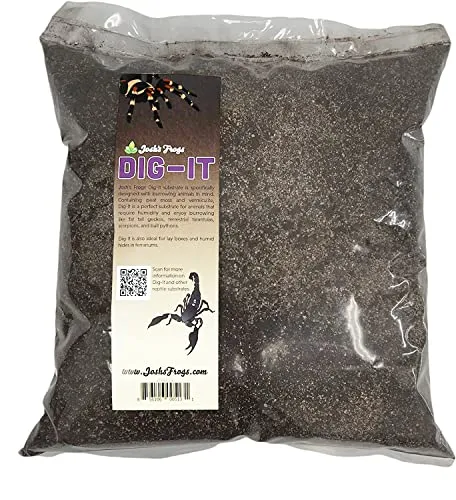
A healthy substrate is vital for a healthy tarantula. A clean substrate prevents the buildup of waste, mold, and bacteria, all of which can be detrimental to the tarantula’s health. Poor substrate conditions can lead to respiratory problems, skin infections, and other serious ailments. Moreover, the substrate provides a comfortable and secure environment, reducing stress and promoting the tarantula’s overall well-being. Regular substrate changes are therefore essential for preventing health issues and ensuring your tarantula thrives.
Signs Your Tarantula Substrate Needs Changing
Knowing when to change your tarantula’s substrate is crucial for maintaining a healthy habitat. Several visual, olfactory, and behavioral cues can indicate that it’s time for a change. Recognizing these signs will help you keep your tarantula’s enclosure clean and comfortable.
Visual Cues That Indicate Substrate Change
One of the most obvious indicators is the appearance of the substrate. Look for visible signs of waste, such as uneaten food and fecal matter. These will accumulate over time, and if left unattended, they can promote the growth of mold and bacteria. Discoloration of the substrate, especially around areas where the tarantula eats or eliminates waste, can also signal the need for a change. Additionally, if the substrate is starting to break down or has become compacted, it’s a clear sign that it’s time for a refresh.
Odor as an Indicator for Substrate Change

The smell of the enclosure is another key indicator. A healthy tarantula enclosure should have a neutral odor. Any foul or unusual smells, such as a musty or moldy scent, indicate that the substrate is breaking down and requires immediate attention. The presence of ammonia, which is produced by the breakdown of waste, is a particularly concerning sign. Ammonia can be harmful to tarantulas, leading to respiratory problems. Therefore, if you notice any unpleasant smells, it’s time to change the substrate.
Behavioral Changes Suggesting a Substrate Refresh
Changes in your tarantula’s behavior can also signal that the substrate needs to be changed. If your tarantula is spending more time on the surface of the substrate than usual, especially if it is a burrowing species, this might indicate that the substrate is no longer suitable for burrowing. Similarly, a loss of appetite or a general lack of activity could be linked to poor substrate conditions. While these behavioral changes can be caused by other factors, they should prompt you to inspect the enclosure and assess the state of the substrate.
How Often Should You Change Tarantula Substrate?
There isn’t a one-size-fits-all answer to the question of how often to change a tarantula’s substrate. The frequency of substrate changes depends on several factors, including the species of tarantula, the size of the enclosure, and the type of substrate used. However, a general guideline is to change the substrate every six months to a year for most species. Some experienced keepers perform spot cleaning, removing waste and uneaten food, and replacing the soiled substrate in the affected area every few weeks to extend the lifespan of the full substrate.
Factors Influencing Substrate Change Frequency
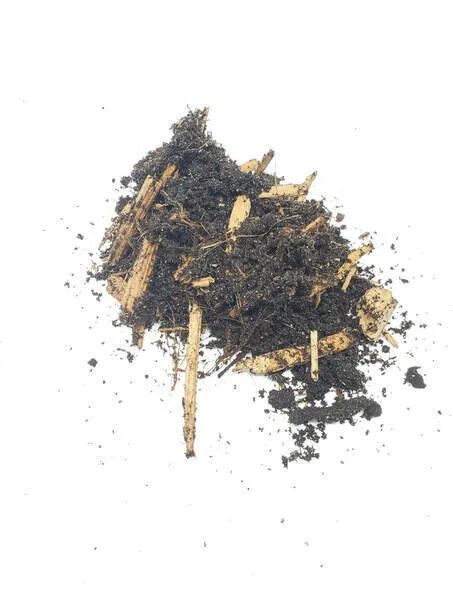
Several factors will influence how often you need to change your tarantula’s substrate. Understanding these will help you tailor the frequency to your pet’s specific needs. By considering the species, age, and environmental conditions, you can ensure your tarantula always has a clean, healthy habitat.
Age of Tarantula and Substrate Change
Younger tarantulas, especially slings, often require more frequent substrate changes. They tend to eat more in proportion to their size and produce more waste. Furthermore, the smaller enclosures commonly used for slings can lead to a quicker buildup of waste and the degradation of the substrate. As tarantulas mature, the frequency of substrate changes may be reduced.
Species of Tarantula and Substrate Change
Different species have different substrate needs, influencing how often you need to change the substrate. For example, species that are known to produce a lot of waste or those that live in humid environments may require more frequent changes to prevent mold and bacterial growth. Researching your specific tarantula species will help you determine the optimal substrate change frequency for its needs.
Humidity Levels and Substrate Change

Humidity plays a crucial role in tarantula health, and it also impacts the substrate. In humid environments, the substrate may break down more quickly. It can lead to mold or fungus growth, necessitating more frequent changes. Regularly monitoring the humidity levels in the enclosure is crucial. Adjust the substrate change frequency based on the humidity levels. High humidity may require more frequent changes to prevent the substrate from becoming saturated and promoting the growth of harmful microorganisms.
Step-by-Step Guide to Changing Tarantula Substrate
Changing the substrate may seem daunting at first, but it’s a straightforward process. Following these steps, you can ensure a safe and stress-free experience for your tarantula.
Preparing the New Substrate
Before starting, prepare the new substrate. The ideal substrate depends on the type of tarantula you have. Common options include coconut fiber, peat moss, and a mixture of soil and vermiculite. Make sure to pre-moisten the substrate, to achieve the right humidity level for your tarantula. This will provide a comfortable and healthy environment from the start. Allow the substrate to cool to room temperature before introducing your tarantula.
Safely Moving Your Tarantula

The safety of your tarantula is paramount. Gently coax the tarantula into a temporary container, such as a deli cup or a clean container, using a soft paintbrush or a similar tool. Ensure the container is escape-proof and has proper ventilation. Always handle your tarantula with care, and avoid dropping or harming it during the transfer. It is highly recommended not to handle tarantulas directly; use the paintbrush method or gently nudge them with a cup or container.
Removing the Old Substrate
Carefully remove the old substrate from the enclosure. You can use a small shovel or a scoop to remove the substrate. Thoroughly clean the enclosure, including the sides, bottom, and any decorations, with warm water and mild soap. Rinse the enclosure to remove any soap residue. Make sure that any decorative items are also properly cleaned and rinsed before being placed back in the enclosure.
Setting Up the New Substrate
Once the enclosure is clean, add the new substrate. The depth of the substrate will depend on your tarantula species. Terrestrial species that burrow will require a deeper layer than arboreal species. Replace any decorations, such as hides and climbing structures, and ensure they are securely placed. Finally, carefully return your tarantula to its clean enclosure.
Post-Change Checklist

After changing the substrate, it’s important to check and make sure everything is set correctly. Ensure the enclosure has proper ventilation. Then, check the humidity levels and make necessary adjustments. Observe your tarantula to make sure it adjusts to the new environment. Finally, ensure that all heating and lighting elements are functioning correctly.
Maintaining a Healthy Tarantula Habitat
Changing the substrate is just one part of maintaining a healthy tarantula habitat. Regular cleaning and monitoring are also crucial for keeping your pet healthy and happy.
Cleaning the Enclosure
Regular spot cleaning is recommended between full substrate changes. Remove uneaten food and any waste products regularly, as they can attract pests and contribute to odors. Wipe down the enclosure walls and any decorations with a damp cloth. Avoid using harsh chemicals or cleaning agents, as these can be harmful to your tarantula. A clean enclosure promotes a healthier environment for your tarantula.
Monitoring Humidity and Temperature

Regularly monitor the humidity and temperature levels in your tarantula’s enclosure. Use a hygrometer to measure humidity and a thermometer to measure temperature. Adjust these levels according to your tarantula’s species requirements. Proper humidity and temperature are crucial for the tarantula’s health and its molting process. Providing the right environment will help keep your tarantula healthy and comfortable.
Choosing the Right Substrate for Your Tarantula
Selecting the right substrate is essential for creating a suitable habitat for your tarantula. Several substrate options are available. The best choice depends on the species. Research the needs of your specific tarantula and choose a substrate that meets those needs. Common choices include coconut fiber, peat moss, and soil mixtures. Each offers different benefits, such as moisture retention, burrowing ability, and ease of cleaning. Using the correct substrate will contribute to a healthy and happy tarantula.
Changing the substrate is a vital part of tarantula care. By understanding the importance of the substrate, recognizing the signs of a substrate in need of changing, and following the step-by-step guide, you can ensure your tarantula’s enclosure remains clean, healthy, and comfortable. Regular maintenance contributes to the overall well-being of your pet, allowing it to thrive in its captive environment. Remember to research your tarantula’s specific needs and adjust your care routine accordingly.