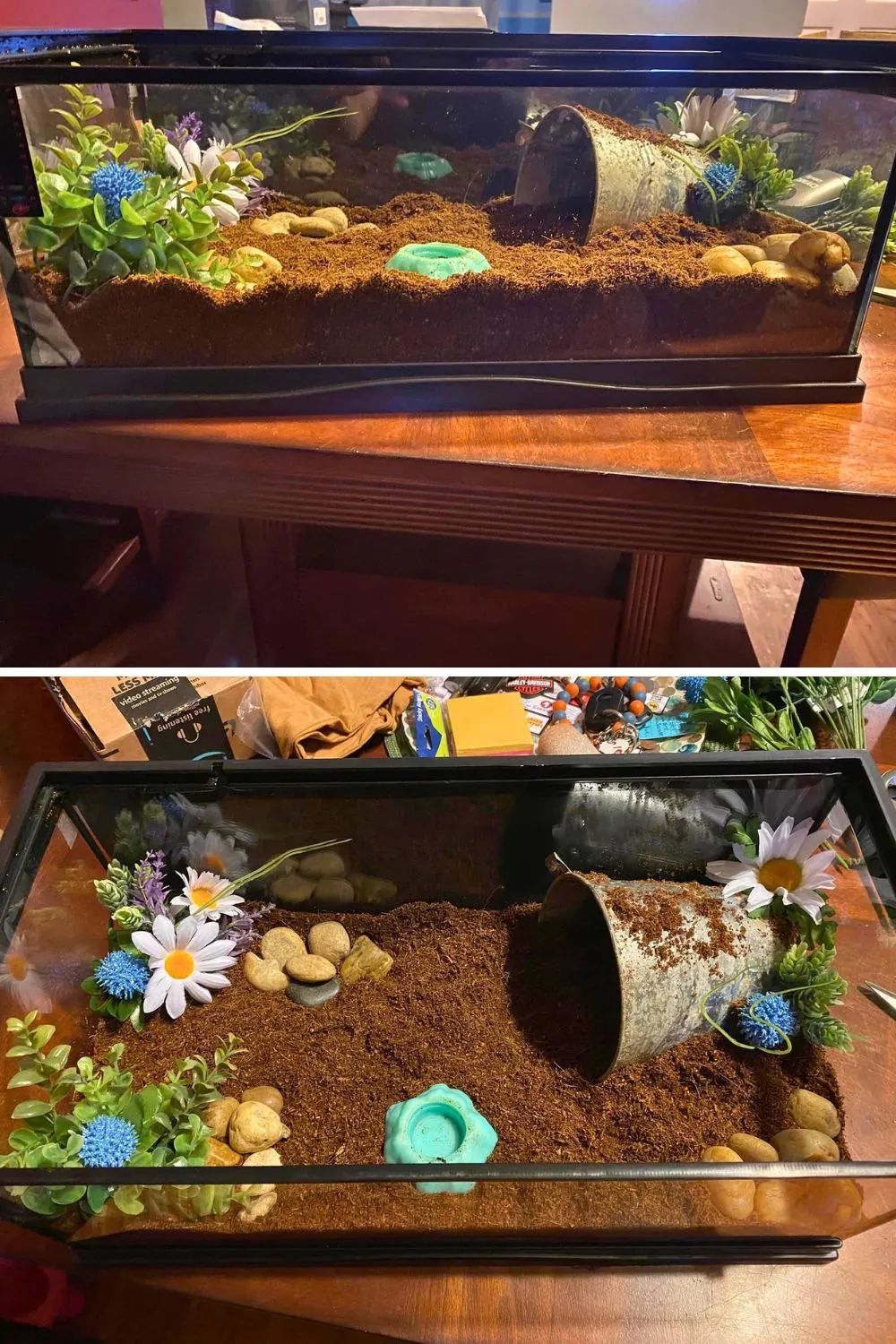
Tarantula Tank Setup What You Need
Setting up a tarantula tank is an exciting journey that ensures the well-being and happiness of your eight-legged companion. A well-designed habitat provides a safe and stimulating environment, mimicking their natural surroundings and catering to their specific needs. This article will explore the top 5 essential elements for your tarantula tank setup, guiding you through the process of creating a thriving home for your pet. We’ll cover everything from tank size and ventilation to substrate selection, decorations, and temperature control. By understanding these key components, you’ll be well-equipped to provide your tarantula with a comfortable and enriching habitat, promoting its health and longevity.
The Right Size Tarantula Tank
Choosing the appropriate tank size is paramount for your tarantula’s well-being. A tank that’s too small can restrict movement and cause stress, while one that’s excessively large can make it difficult for your tarantula to find food and feel secure. The ideal tank size is generally determined by the tarantula’s leg span. As a general rule, the tank should be at least three times the tarantula’s leg span in width and twice the leg span in length. Height is also important, especially for arboreal species, which need ample vertical space for climbing. Remember that tarantulas are ambush predators, so a spacious tank provides them with enough room to create burrows or establish preferred resting spots, vital for their psychological well-being.
Choosing the Perfect Tank Dimensions

When selecting a tank, consider the specific species you intend to house. Terrestrial tarantulas benefit from wider tanks with a moderate height, allowing them to roam and explore their surroundings. Arboreal species, on the other hand, require taller enclosures to accommodate their climbing habits and arboreal lifestyle. For example, a juvenile terrestrial tarantula might thrive in a 10-gallon tank, while a fully grown adult could require a 20-gallon long or even larger. Always research the specific requirements of your tarantula species before purchasing a tank. Glass or acrylic tanks are excellent choices, providing clear visibility and ease of maintenance. Ensure the tank has a secure, well-fitting lid to prevent escapes, as tarantulas are skilled climbers and escape artists.
Ventilation is Key for Your Tarantula
Proper ventilation is crucial for maintaining a healthy environment within your tarantula tank. It helps to regulate humidity levels, prevent mold growth, and ensure fresh air circulation, which is essential for your tarantula’s respiratory health. Poor ventilation can lead to a buildup of harmful gases and moisture, creating an environment that is detrimental to your tarantula’s well-being. Adequate ventilation also helps prevent fungal infections, which can be particularly problematic in humid environments. A well-ventilated tank will also reduce the risk of mites and other parasites that thrive in stagnant, humid conditions. The goal is to strike a balance between adequate air circulation and maintaining the necessary humidity levels for your tarantula’s species.
How to Ensure Proper Airflow
Most tarantula tanks come with built-in ventilation features, such as mesh tops or strategically placed air vents. Ensure that these vents are not blocked by substrate or decorations. In some cases, you may need to supplement the existing ventilation. This can be achieved by drilling additional small holes in the sides or top of the enclosure, taking care to avoid creating sharp edges that could injure your tarantula. The placement of these additional vents should be carefully considered to ensure good airflow without excessive moisture loss. Avoid placing the tank in direct sunlight or near a heat source, as this can disrupt the balance of temperature and humidity. Regular monitoring of the tank’s environment, including humidity and airflow, is essential to maintain optimal conditions for your tarantula.
Substrate The Foundation of the Habitat

The substrate, or bedding, serves as the foundation of your tarantula’s habitat, playing a critical role in maintaining humidity, providing a surface for burrowing, and offering a sense of security. The choice of substrate greatly impacts the overall environment and the health of your tarantula. It should be non-toxic, absorbent, and capable of holding moisture to help regulate humidity. The substrate should also be suitable for the specific species of tarantula you own, as some species require different environmental conditions than others. A proper substrate allows the tarantula to engage in natural behaviors, such as burrowing, which can reduce stress and promote its well-being.
Best Substrate Options for Tarantulas
There are several excellent substrate options available, each with its own advantages. A popular choice is a mix of coconut fiber (coco coir) and peat moss. Coco coir is highly absorbent, holds moisture well, and is readily available. Peat moss adds additional moisture retention and helps create a more naturalistic environment. Another option is a blend of soil and sand, which is especially suitable for terrestrial species. Sphagnum moss can be added to the substrate to help maintain localized humidity, which is particularly helpful for molting. Avoid substrates like cedar or pine shavings, as these can be toxic to tarantulas. The substrate should be deep enough for the tarantula to burrow comfortably, usually several inches deep, depending on the size of the tarantula and the species’ burrowing habits.
Maintaining Optimal Humidity Levels
The humidity level in the tank is crucial for your tarantula’s health and molting process. Different tarantula species have varying humidity requirements, so it’s vital to research the specific needs of your pet. Terrestrial species generally prefer lower humidity levels compared to arboreal species. You can monitor humidity using a hygrometer placed inside the tank. To increase humidity, mist the substrate with dechlorinated water using a spray bottle. The frequency of misting depends on the species and environmental conditions. Ensure that the substrate is moist but not waterlogged, as excessive moisture can lead to fungal infections. Providing a water bowl also contributes to maintaining humidity levels. Ventilation should be balanced to ensure there isn’t too much condensation building up in the tank.
Decorations Providing Enrichment and Safety

Decorations add aesthetic appeal and provide essential enrichment for your tarantula. They offer hiding spots, climbing structures, and opportunities for natural behaviors, thereby reducing stress and promoting a sense of security. The right decorations create a more stimulating environment, encouraging activity and exploration. Adding various elements to the tank can also help to mimic the tarantula’s natural habitat, which further contributes to its overall well-being. It is essential to choose decorations that are safe, non-toxic, and appropriate for the specific needs of your tarantula species. Consider the size of the decorations to ensure that they do not overcrowd the tank, leaving sufficient space for movement and essential activities like hunting.
Ideal Hiding Spots and Climbing Structures
Hiding spots are a must-have for tarantulas, as they are naturally shy creatures that seek refuge from potential threats. Cork bark, hollow logs, and artificial hides are excellent choices. These provide a secure place where your tarantula can retreat and feel safe. Climbing structures, such as branches or artificial plants, are particularly beneficial for arboreal species, allowing them to climb and explore. Avoid decorations with sharp edges or small openings that could potentially trap your tarantula. Secure the decorations to prevent them from falling and potentially injuring your pet. Regularly inspect the decorations for any signs of wear and tear, and replace them as needed to maintain a safe and comfortable environment.
Essential Water and Feeding Supplies
Providing a clean water source and appropriate feeding supplies is essential for your tarantula’s health and survival. Access to fresh water is crucial for hydration, and the right feeding regime ensures that your tarantula receives the necessary nutrients. Ensuring these essential elements are available will help your tarantula thrive. You should always monitor the water and food supply, replenishing both when necessary to maintain a healthy environment for your pet.
Water Bowls and Feeding Strategies

A shallow water bowl is essential for providing a constant source of fresh water. Choose a bowl that is appropriately sized to prevent your tarantula from drowning. The bowl should be stable and easy to clean. Replace the water regularly, at least every other day, to prevent the growth of bacteria. Regarding feeding, tarantulas are carnivores and primarily feed on insects. The size of the prey should be appropriate for your tarantula’s size, generally no larger than the tarantula’s body length. Crickets, mealworms, and roaches are common choices. Avoid feeding wild-caught insects, as they may carry parasites or pesticides. Remove any uneaten food within 24 hours to prevent the growth of mold and bacteria. Adjust the feeding frequency based on the tarantula’s age and activity level; juveniles typically need to eat more frequently than adults.
Temperature and Heating Ensuring the Correct Climate
Maintaining the correct temperature range within your tarantula’s tank is critical for its health, activity levels, and molting process. Tarantulas are ectothermic, meaning they rely on external sources to regulate their body temperature. Providing the appropriate temperature gradient allows your tarantula to thermoregulate, moving to warmer or cooler areas within the tank as needed. Temperature plays a key role in their metabolism, digestion, and overall well-being. The specific temperature requirements vary depending on the species, so researching your tarantula’s needs is essential for creating the right environment. Regular monitoring of the tank temperature using a thermometer is crucial.
Maintaining the Right Temperature Range
To maintain the correct temperature, you may need to use a heating pad or ceramic heat emitter. Place the heat source on the side of the tank or beneath the tank, never directly inside the enclosure, to prevent burns. Avoid using heat lamps, as they can dry out the environment and potentially harm your tarantula. The optimal temperature range typically falls between 75-85°F (24-29°C), although this can vary depending on the species. Create a temperature gradient within the tank, with a warmer side and a cooler side, allowing your tarantula to choose its preferred temperature. Regularly monitor the temperature and adjust the heat source as needed to maintain the correct range. Be cautious not to overheat the tank, as this can be detrimental to your tarantula. Ensure that the heat source is regulated and does not pose a fire hazard.
In conclusion, setting up a tarantula tank is a rewarding experience that requires attention to detail and a commitment to providing the best possible environment for your pet. By focusing on these 5 essential elements tank size, ventilation, substrate, decorations, water, feeding, and temperature control you can create a thriving habitat that supports your tarantula’s health, happiness, and longevity. Remember that researching the specific needs of your tarantula species is paramount. Regular monitoring and maintenance will ensure that your tarantula enjoys a comfortable and stimulating home for years to come.