Top 5 Facts About New World Tarantulas
New World tarantulas are captivating creatures, popular among arachnid enthusiasts. They present unique characteristics differentiating them from their Old World counterparts. Their diverse behaviors and the fascinating aspects of their care make them intriguing pets. This article delves into five key facts about these amazing spiders, covering their origins, aggression levels, venom, habitats, and overall care requirements. Understanding these facets is crucial for anyone interested in owning or simply learning more about these fascinating arachnids. The aim is to provide comprehensive information, ensuring readers gain a deeper appreciation for these creatures.
What Defines a New World Tarantula
New World tarantulas are categorized based on their geographic origins, primarily found in the Americas, spanning from the southern United States down to South America. This distinction is crucial, setting them apart from Old World tarantulas, which originate from regions like Africa, Asia, and Australia. The differences extend beyond mere location, with variations in their physical characteristics, behaviors, and venom composition. Understanding these fundamental differences is essential for anyone venturing into tarantula ownership, ensuring proper care and safety precautions. Their adaptability to various environments and fascinating life cycles further add to their appeal.
Geographic Origins

New World tarantulas are native to the Americas, their habitats encompassing a wide array of environments, from tropical rainforests to arid deserts. The geographical diversity contributes significantly to the variation observed among different species. This wide distribution influences their behavior and adaptations, with each species evolving specific traits suited to its environment. Understanding these origins provides insight into their natural behaviors and habitat preferences. It enables owners to replicate conditions that promote their well-being and display their natural tendencies. Awareness of their geographic distribution offers context for understanding their unique characteristics.
Appearance & Characteristics
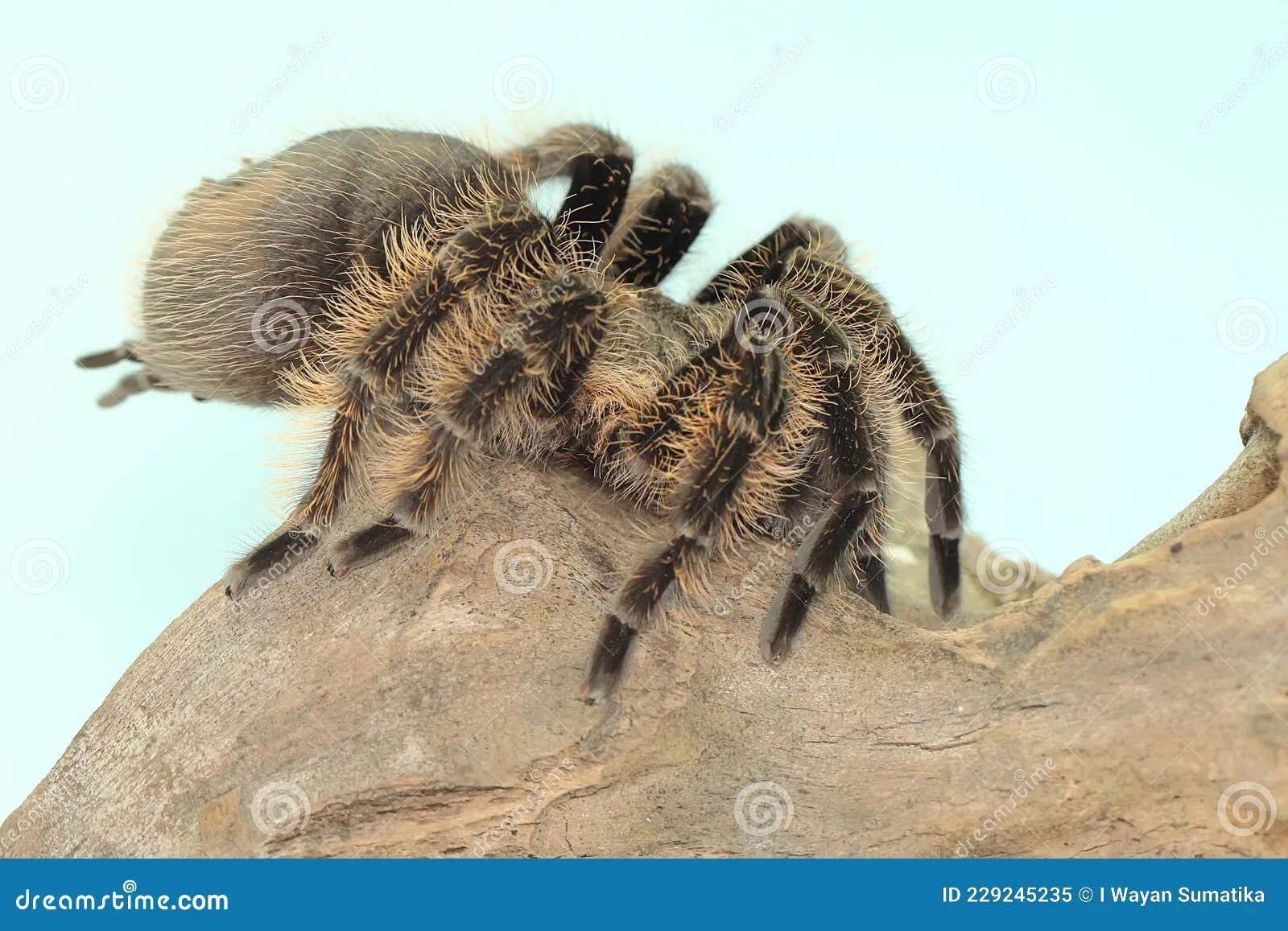
New World tarantulas exhibit a vast range of appearances, differing significantly in size, coloration, and hair types. Some species boast vibrant hues, while others display more subdued tones, all playing roles in camouflage and attracting mates. Their bodies are covered with urticating hairs, a defensive mechanism, that can irritate the skin of potential predators and humans. These hairs are often flicked off the abdomen as a defense. Size also varies; some species are relatively small, while others can have leg spans exceeding ten inches. These physical characteristics are key to identifying species and understanding their adaptations to their environments.
Aggression Levels: Which Are the Most
Aggression levels among new world tarantulas can vary greatly. Some species are known for being docile, while others exhibit a more defensive nature, which might include defensive postures, threat displays, or even biting. Factors like the species, individual temperament, and environmental conditions all play a role in determining their behavior. Researching species-specific traits is crucial before acquiring one. It allows potential owners to manage expectations and ensure they can provide an environment that minimizes stress and potential aggressive behaviors. This knowledge contributes significantly to the safety of both the tarantula and its owner.
The Most Aggressive Species

Identifying the most aggressive new world tarantulas can be tricky, as individual temperaments vary. However, certain species are generally considered more prone to defensive behaviors. Examples include some species of Psalmopoeus and Ephebopus. These tarantulas are known for their quick movements and readiness to defend themselves. It’s essential to research the specific species before acquisition, considering their reputation for aggression and the handling required. These species require experienced keepers who understand their behavior and can handle them safely, reducing the risk of bites or other defensive reactions.
Factors Influencing Aggression
Several factors influence a new world tarantula’s aggression levels. Environmental stressors, such as inadequate enclosure conditions, can make them more defensive. Similarly, hunger, the molting process, and disturbances can trigger defensive behaviors. The species’ genetic predisposition also plays a significant role. Some species are naturally more prone to defensiveness. Understanding these factors is crucial for tarantula owners. It allows them to provide an environment that minimizes stress and encourages calmer behavior. Careful observation of their tarantula and the environment can help owners recognize and address potential triggers, promoting a safer experience.
Venom Potency & Handling Risks
The venom of new world tarantulas is generally considered mild to humans. The primary risk associated with tarantula bites is often due to the mechanical trauma from the fangs, along with potential allergic reactions. Although their venom is typically not life-threatening to healthy adults, it can cause localized pain, swelling, and muscle cramps. Handling tarantulas requires caution, particularly with more aggressive species, as bites can still be unpleasant. Proper handling techniques and an understanding of their behavior are essential. It is important to be aware of potential risks and take appropriate precautions.
Venom Characteristics

The venom of new world tarantulas, while generally mild, is a complex mixture of enzymes and proteins. These substances are designed to immobilize prey. The effects of a bite can vary depending on the species, the amount of venom injected, and the individual’s sensitivity. Symptoms often include localized pain, redness, itching, and sometimes muscle cramps. Allergic reactions are possible but rare. It’s crucial to understand that not all tarantula species possess the same level of venom toxicity. Researching the specific species helps one prepare for potential outcomes. Immediate medical attention is usually not necessary, but consulting a physician is advisable.
Safe Handling Guidelines
Handling new world tarantulas is not recommended for novice keepers, especially for potentially aggressive species. If handling is necessary, it must be done with utmost caution. Always use a gentle approach, avoiding sudden movements that could startle the spider. Try to handle the spider in a confined area. Wear gloves to minimize skin contact with urticating hairs. If a bite occurs, remain calm and clean the wound with soap and water. Observe for any signs of allergic reaction and seek medical attention if necessary. Prioritizing the tarantula’s well-being and safety is paramount.
Unique Behaviors & Habitats
New world tarantulas exhibit diverse behaviors that reflect their natural habitats. Their behaviors have adapted to their environments and are key to their survival. Some species are arboreal, living in trees, while others are terrestrial, living on the ground or in burrows. Understanding these behaviors is crucial for providing appropriate care. It’s important for owners to create enclosures that mimic their natural habitats, including appropriate substrate, hiding places, and environmental conditions. These adaptations contribute to their survival in various ecosystems.
Burrowing vs Arboreal Species

The distinction between burrowing and arboreal species is significant in tarantula keeping. Burrowing tarantulas require deep substrate for digging and creating burrows, which serve as their homes. They typically spend most of their time underground, venturing out to hunt. Arboreal species, on the other hand, are adapted to live in trees, requiring vertical space and sturdy décor for climbing and webbing. Understanding these habitat preferences is critical for designing appropriate enclosures. Providing the correct environment will enhance their well-being and facilitate natural behaviors, leading to a more enriching experience for the tarantula.
Defensive Mechanisms
New world tarantulas have various defensive mechanisms. These adaptations help them to protect themselves from predators. The most well-known defense is the flicking of urticating hairs from their abdomen, which can cause skin irritation. Some species also display defensive postures, such as raising their front legs and showing their fangs, to ward off threats. Understanding these mechanisms is important for owners, helping them to recognize when their tarantula feels threatened and to respond accordingly. Maintaining a safe environment is key to prevent the need for these defenses.
Proper Tarantula Care
Providing appropriate care is critical for the health and longevity of new world tarantulas. This includes creating suitable enclosures, maintaining optimal temperature and humidity levels, offering proper feeding and diet, and monitoring their overall health. Every aspect of their care, from enclosure setup to feeding frequency, contributes to their well-being. The goal is to replicate their natural habitat as closely as possible. This promotes their natural behaviors and reduces stress, making them thrive in captivity. A proactive approach to their care is key for a healthy and happy tarantula.
Enclosure Setup

Setting up the appropriate enclosure is the foundation of new world tarantula care. The size of the enclosure depends on the species and the size of the tarantula. The enclosure needs to be secure to prevent escapes. It must provide adequate ventilation. Substrate selection is crucial, with options including coco fiber, peat moss, or a mixture of both, to maintain proper humidity. Decorations, such as cork bark or artificial plants, offer hiding places and enrichment. A well-designed enclosure caters to the tarantula’s needs. This design encourages a healthy, less stressful environment.
Temperature & Humidity
Maintaining the correct temperature and humidity levels is essential for a new world tarantula’s health. Most species thrive in temperatures between 70-85°F (21-29°C). It’s best to use a reliable thermometer to monitor the temperature. Humidity levels vary depending on the species, usually within a range of 60-80%. Humidity is typically managed by misting the enclosure or providing a water dish. Regular monitoring and adjustments are necessary to ensure the environment is suitable for the tarantula. Maintaining the right conditions is critical to prevent health issues.
Substrate & Hiding Places
The substrate and hiding places within the enclosure play crucial roles in a tarantula’s well-being. The substrate provides a comfortable surface, helps regulate humidity, and allows burrowing species to engage in natural behaviors. A substrate made of coco fiber is often a good choice. Hiding places, such as cork bark, provide security. Tarantulas feel safe and secure in their enclosure when they have options for hiding. Offering multiple hiding spots and appropriate substrate choices will enhance the enrichment and well-being of your tarantula. This will contribute to their sense of safety and security.
Feeding & Diet

Feeding your new world tarantula a proper diet is vital to its health and longevity. In the wild, tarantulas are opportunistic predators, feeding on insects, small invertebrates, and sometimes small vertebrates. In captivity, a balanced diet consisting of appropriately sized insects is essential. It’s important to vary the diet and offer appropriate prey items to meet nutritional needs. Monitoring the tarantula’s eating habits and body condition helps in assessing their overall health. Proper feeding practices are key to ensuring your tarantula lives a long, healthy life.
Appropriate Prey
The choice of prey is crucial when feeding new world tarantulas. Crickets, mealworms, and roaches are among the most commonly used insects. It is important to ensure the prey items are appropriately sized, avoiding insects that are too large, which can stress the tarantula. Pre-killed prey is a safer option for potentially aggressive species. Gut-loading insects with nutritious foods before feeding them to the tarantula enhances their nutritional value. By selecting appropriate prey, the keeper is providing the necessary nutrients.
Feeding Frequency
Feeding frequency depends on the tarantula’s age and metabolism. Spiderlings require more frequent feedings, typically once or twice a week. Adult tarantulas can be fed less often, maybe once every one to two weeks. Monitoring the tarantula’s abdomen size is a good indicator of whether it’s being fed adequately. Adjust feeding schedules based on their appetite and body condition. Avoid overfeeding, as this can lead to obesity and other health issues. Regularly observing the tarantula and adjusting accordingly is key.
Health & Lifespan
Understanding the health and lifespan of new world tarantulas helps owners anticipate their needs and provide optimal care. Regular observation for signs of illness is essential, as is knowing the typical lifespan of the species. By recognizing common health issues and understanding the factors that influence their longevity, you can better support their well-being. This proactive approach ensures the tarantula lives a long and healthy life in captivity.
Common Health Issues
New world tarantulas can experience various health issues. Parasitic infections are a potential problem. They can be caused by mites or other parasites. Poor environmental conditions can also lead to health problems, such as fungal infections. Recognizing the early signs of illness is crucial for timely intervention. These signs may include lethargy, loss of appetite, or unusual behaviors. Maintaining a clean enclosure, providing appropriate humidity and temperature, and ensuring a balanced diet are critical for preventing health problems.
Lifespan Expectations
The lifespan of new world tarantulas varies greatly by species and sex. Females typically live much longer than males, often for 10 to 30 years, depending on the species. Males often live for only a few years after reaching maturity. Proper care, including providing appropriate enclosure conditions, a balanced diet, and avoiding unnecessary stress, can significantly extend their lifespan. Choosing a species with a longer lifespan is something to consider before deciding to own a tarantula. Being informed about this aspect can assist with future planning.