Tarantula vs Scorpion Who Wins
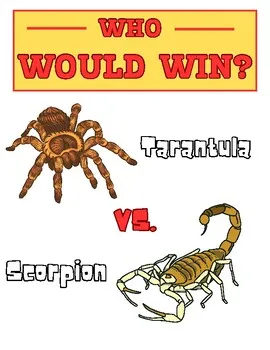
The age-old question of who would win in a fight between a tarantula and a scorpion sparks curiosity and debate among nature enthusiasts. Both creatures are formidable predators, equipped with unique features that make them highly successful in their respective environments. This article delves into a comprehensive comparison, examining their physical attributes, venom, hunting strategies, and the environmental factors that could influence the outcome of a potential battle. We’ll explore the strengths and weaknesses of each arthropod to provide an informed perspective on who might emerge victorious in this epic showdown. The objective is not only to determine a winner but also to appreciate the incredible adaptations that have allowed these creatures to thrive for millions of years.
Size and Strength Comparison
Size and strength are critical factors in any physical confrontation. Tarantulas, with their large, hairy bodies and powerful legs, often present a significant size advantage, particularly in certain species, some can have a leg span of up to 12 inches or more. This size advantage translates to increased overall mass and strength. Scorpions, while typically smaller, possess formidable exoskeletons and powerful claws (pedipalps) that are used for grasping and crushing prey. The strength of the claws varies across scorpion species, with some, like the Emperor Scorpion, boasting impressive gripping power. When comparing size and strength, it’s essential to consider the specific species involved, as both tarantula and scorpion sizes vary greatly, influencing the dynamics of a potential encounter.
Tarantula’s Physical Attributes

Tarantulas are known for their robust builds, covered in a dense layer of setae (hairs) that provide sensory information and can be used defensively. Their eight powerful legs are designed for climbing, running, and capturing prey. They have large chelicerae (fangs) that are used to inject venom and crush their meals. Some species of tarantulas also possess urticating hairs, which they can flick at potential threats, causing irritation. The combination of size, strength, and defensive mechanisms makes them a formidable opponent in various ecosystems. Their ability to move quickly and deliver a powerful bite further enhances their hunting capabilities, allowing them to subdue insects, small vertebrates, and sometimes even small mammals.
Scorpion’s Physical Attributes
Scorpions are characterized by their segmented bodies, including a prominent tail (metasoma) ending in a stinger. The stinger is used to inject venom, which can paralyze or kill prey. Scorpions have a pair of large pedipalps (claws) that they use to grasp and subdue prey. Their exoskeleton provides excellent protection against predators and environmental hazards. The sensory hairs on their legs help them detect vibrations, enabling them to locate prey and avoid danger. The morphology of the scorpion, particularly the curvature and flexibility of its tail, allows for efficient stinging, making it a dangerous adversary. Their ability to withstand harsh conditions also gives them an advantage in various environments.
Venom and Attack Strategies
The effectiveness of venom and the tactics employed in an attack are critical in determining the outcome of a fight. Tarantulas rely on their venom to immobilize their prey before delivering a bite. Their fangs are used to inject the venom, which can cause paralysis and tissue damage. Scorpions use their stinger to inject venom, which affects the nervous system. The venom of some scorpion species is more potent than others, capable of causing severe pain and even death in certain instances. Attack strategies involve ambush tactics, precision strikes, and defensive maneuvers. The ability to deliver a quick and accurate attack, along with the potency of the venom, plays a significant role in the survival of both creatures.
Tarantula’s Venom and Hunting
Tarantula venom is typically used to paralyze prey, making it easier to consume. The venom composition varies among different tarantula species, but generally, it contains neurotoxins and enzymes that break down tissues. Tarantulas employ ambush tactics, waiting patiently for prey to come within striking distance before launching an attack. Their strong legs and fangs enable them to quickly subdue insects, spiders, and small vertebrates. Urticating hairs, another defensive mechanism, can be brushed off into the face of a potential predator, causing significant irritation and deterring an attack. The combination of potent venom, strong fangs, and defensive hairs makes the tarantula a proficient hunter in its habitat.
Scorpion’s Venom and Hunting
Scorpions use their venom as their primary weapon for both offense and defense. The venom of a scorpion is injected through the stinger located at the end of its tail. Scorpion venom, which is a complex mixture of toxins, acts primarily on the nervous system, causing paralysis, and sometimes death. Scorpions employ ambush tactics, hiding in dark places and waiting for prey to approach. They use their claws to grasp and hold prey while the stinger delivers the venom. The hunting techniques vary depending on the species and its habitat. Some scorpions are known to be cannibalistic, further highlighting their predatory nature and competitive survival strategies.
Battle Scenarios Analysis
Analyzing various battle scenarios provides valuable insight into the potential outcome of a fight between a tarantula and a scorpion. Factors to consider include the specific species involved, the size difference, and the environmental conditions. If a large tarantula encounters a small scorpion, the tarantula’s size and strength advantage may lead to a quick victory. Conversely, if the scorpion is a larger, more venomous species, it could potentially overcome the tarantula. The terrain also plays a role, as a more confined space might favor the scorpion’s agility and stinging capabilities. The battle scenario analysis requires careful consideration of all these variables.
Habitat and Environment impact

The habitat and environmental factors significantly influence the dynamics of a battle between a tarantula and a scorpion. In arid environments, where scorpions are more prevalent, they may have a slight advantage due to their ability to withstand harsh conditions. In more humid environments, the tarantula’s size and strength could be more beneficial. The availability of shelter and the presence of other predators or prey could also impact the outcome. Analyzing the environment helps predict the survival of each animal. The competition for food sources and the overall ecosystem also contribute to the outcomes of their battles.
The Winner and Why
Determining a definitive winner between a tarantula and a scorpion is challenging because the outcome depends on various factors. However, considering all the elements, the size and species of the creatures, the environment, and the hunting styles, it is difficult to say which one will win. The battle would likely be a close one. Therefore, to answer the question, ‘Who would win?’ is not easy, it would depend on the individual circumstances of the fight. Both animals have incredible traits and features.