Understanding the Texas Tan Tarantula’s Diet
The Texas Tan Tarantula, a fascinating species native to the southwestern United States, thrives on a diet that closely mirrors its natural environment. Providing the right food is crucial for the health, growth, and overall well-being of your pet tarantula. Understanding their dietary needs involves knowing what they eat in the wild and how to replicate these conditions in captivity. A balanced diet ensures your tarantula lives a long, healthy life, exhibiting its vibrant colors and engaging behaviors. Careful consideration of their food choices, preparation methods, and feeding frequency is essential for responsible tarantula ownership. By following these guidelines, you can create an optimal feeding regimen that meets your Texas Tan Tarantula’s specific needs.
Natural Diet of Texas Tan Tarantulas
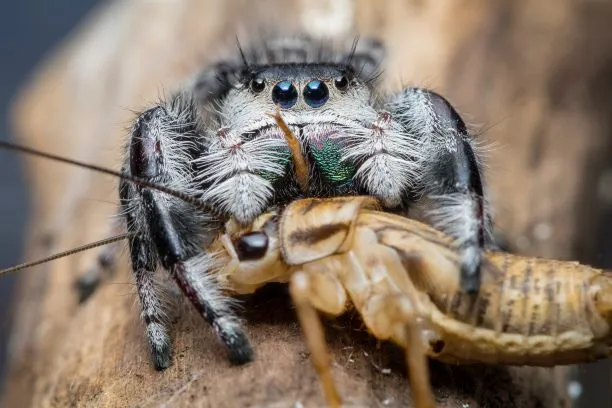
In their natural habitat, Texas Tan Tarantulas are opportunistic predators. Their diet primarily consists of insects, which they actively hunt or ambush. The specific types of insects they consume vary depending on their availability and the tarantula’s size. They may also occasionally feed on small vertebrates like lizards or even small rodents, although this is less common. The tarantula’s hunting strategy involves sensing vibrations to locate prey, then quickly ambushing and injecting venom to immobilize it. The ability to effectively hunt and consume a diverse range of prey is essential for their survival in the wild. It is important to replicate these natural feeding habits in captivity to maintain their health.
Insects as Staple Food

Insects form the cornerstone of the Texas Tan Tarantula’s diet. These invertebrates provide essential nutrients, including protein, chitin, and other vital elements necessary for growth and molting. The size of the insects offered should correspond to the tarantula’s size, with smaller tarantulas requiring smaller prey. Offering a variety of insects can also provide a more balanced nutritional profile. Captive-bred insects are often preferred over wild-caught ones because they are less likely to carry parasites or pesticides. Furthermore, insects such as crickets and roaches are relatively easy to obtain and maintain, making them ideal choices for feeding tarantulas. When selecting insects, ensure they are free from diseases and provide a nutritious meal for your tarantula.
Types of Insects
Several types of insects are suitable for feeding Texas Tan Tarantulas. Crickets are a widely available and easily accessible option, offering a good source of protein. Mealworms, although nutritious, should be offered in moderation due to their higher fat content. Roaches, such as Dubia roaches, provide a more balanced nutritional profile and are less prone to escaping compared to crickets. Superworms are another option, but similar to mealworms, they should be fed in moderation. It is always beneficial to vary the diet to ensure a wide range of nutrients. Gut-loading the insects before feeding them to your tarantula is a valuable practice. This involves feeding the insects nutritious foods, such as fresh vegetables, before offering them to the tarantula, thus enhancing the nutritional value of the meal.
Other food choices
While insects are the primary food source, Texas Tan Tarantulas can occasionally be offered other food items. Pinkie mice, the hairless babies of the common house mouse, can be fed to larger tarantulas. However, these should be given sparingly, as they are high in fat and can lead to health problems if fed too frequently. Ensure that any vertebrate prey is from a reputable source to avoid the risk of disease or parasites. It’s important to note that not all tarantulas will readily accept alternative food sources. Observing your tarantula’s behavior and preferences is important when introducing any new food items to the diet. Over time, you’ll get a better sense of what your tarantula enjoys and thrives on, leading to a healthier and more content pet.
Nutritional Needs and Considerations

Meeting the nutritional needs of your Texas Tan Tarantula involves more than just providing food. The diet should be balanced, with the right proportions of protein, fats, and other essential nutrients. Younger, growing tarantulas require more frequent feeding, while adults can be fed less often. Hydration is also critical, with a constant supply of fresh water necessary for their well-being. The frequency and amount of food should adjust as the tarantula grows. It is important to monitor the tarantula’s abdomen to gauge its health. A well-fed tarantula will have a rounded abdomen, and an underfed one will have a smaller abdomen. Proper nutrition is key for a tarantula’s molting process, which is the process by which they shed their exoskeletons to grow.
Importance of Calcium and Hydration
Calcium is essential for the healthy development of a tarantula’s exoskeleton. While insects naturally contain some calcium, it’s often insufficient. Supplementing their diet with calcium-dusted insects can help prevent deficiencies. Hydration is equally crucial, as tarantulas require water to survive and function. Provide a shallow water dish with fresh water at all times. The water level should be shallow enough to prevent the tarantula from drowning. Misting the enclosure occasionally, especially during molting, can also help maintain humidity levels. Providing both calcium supplementation and hydration helps maintain the overall health and ensures the tarantula’s ability to thrive in captivity.
Feeding Frequency
The frequency of feeding depends on the tarantula’s age and size. Spiderlings (young tarantulas) should be fed more frequently, about two to three times a week. Juvenile tarantulas can be fed once or twice a week. Adult tarantulas generally need to be fed less often, usually every one to two weeks. Observe your tarantula’s behavior; if it seems hungry, it will likely come out of its hide to hunt. If the abdomen is overly large, it may be time to reduce feeding. Always remove uneaten food within 24 hours to prevent the buildup of mold or mites. Adjust the frequency based on the tarantula’s appetite, molting cycle, and overall health.
Preparing and Serving Food

The way you prepare and serve food to your Texas Tan Tarantula affects its ability to eat and enjoy its meal. Live prey should always be handled carefully to prevent injury to both you and the tarantula. Gut-loading insects is essential to boost the nutritional value of the meal. Before feeding, ensure the enclosure is clean and provides a safe environment. The size of the prey is another critical factor. Always make sure the insects are the appropriate size for the tarantula. By following these preparation and serving tips, you ensure your tarantula receives a nutritious and safe meal.
Live vs. Pre-Killed Prey
The choice between live and pre-killed prey is a matter of preference and safety. Live prey provides the tarantula with the opportunity to hunt, which can be stimulating. However, live prey, like crickets, can sometimes bite or injure the tarantula, especially during molting. Pre-killed prey eliminates this risk. If you choose to feed pre-killed prey, ensure it is freshly killed. Using tweezers to offer the food can help. Some tarantulas may not immediately recognize pre-killed prey as food. By experimenting with both options, you can find which method works best for your tarantula. Always supervise feeding to avoid potential issues.
How to Introduce Food
Introducing food to your Texas Tan Tarantula requires patience. Place the live insect or pre-killed prey near the tarantula’s hiding place. Sometimes, the tarantula will immediately come out to hunt. Other times, it may take a while for the tarantula to recognize the food and start eating. If the tarantula doesn’t show interest initially, try again later. Never leave live prey in the enclosure for an extended period, especially if it is too big or the tarantula is not hungry. Monitor the tarantula’s behavior. If the tarantula is close to molting, it may refuse food. Ensure the tarantula’s enclosure is well-maintained and the environment is suitable to encourage feeding. The more you understand your tarantula’s individual habits, the easier it will be to feed it successfully.
Removing Uneaten Food

It’s essential to remove any uneaten food within 24 hours. This prevents the build-up of mold, mites, and other issues that can be detrimental to the tarantula’s health. Using long tweezers, carefully remove any leftover prey. Regularly check the enclosure to ensure everything is clean and hygienic. Proper sanitation is important in maintaining a healthy environment for your Texas Tan Tarantula. Removing uneaten food and maintaining a clean enclosure will minimize the risk of diseases and pests. The process will also help you monitor your tarantula’s eating habits, as a lack of appetite could indicate underlying issues, such as illness or an impending molt.
Common Feeding Mistakes to Avoid
Even experienced tarantula keepers sometimes make mistakes. Knowing these common errors can help you create a more successful feeding regimen. Overfeeding, providing the wrong type of prey, and neglecting environmental factors are the most common issues. Being aware of these pitfalls can significantly improve your tarantula’s well-being. Adjusting your practices can lead to better health and a happier tarantula. Paying attention to detail and regularly monitoring your tarantula will prevent such avoidable errors.
Overfeeding
Overfeeding is a common mistake, especially with young tarantulas. While it might seem like providing more food is a good thing, overfeeding can lead to health problems. A tarantula’s abdomen should be plump, not excessively large. An oversized abdomen can stress the tarantula, making it less mobile and more prone to injury during a fall. Reduce the frequency and amount of food if your tarantula’s abdomen is too large. Regular monitoring of the abdomen and adjustment of the feeding schedule is the key to avoiding this mistake. Following these simple steps will help to maintain your tarantula’s health and contribute to its longevity.
Using Incorrect Prey

Offering the wrong type of prey can also be detrimental. Avoid feeding wild-caught insects, as they may carry parasites or pesticides. Choose insects that are appropriate for your tarantula’s size, and provide a varied diet. While pinkie mice can be given to larger tarantulas occasionally, they are high in fat and should not be a staple. Always research and learn about the appropriate types of food for your species. Providing unsuitable prey can lead to nutritional deficiencies and health problems. By selecting the right insects and occasionally varying your tarantula’s diet, you can ensure its health.
Impact of Environmental Factors
Environmental conditions also impact your tarantula’s feeding habits. Maintaining the correct temperature and humidity levels is critical. A tarantula may not eat if the environment is not optimal. Changes in temperature, such as sudden drops or spikes, can affect their appetite. Ensure the enclosure is set up with the proper heating and humidity settings. Providing a stress-free environment also encourages feeding. Avoid excessive handling and noise. A well-maintained, stable environment can greatly affect your Texas Tan Tarantula’s feeding habits and overall well-being. By paying attention to these environmental factors, you can provide the best care for your tarantula.