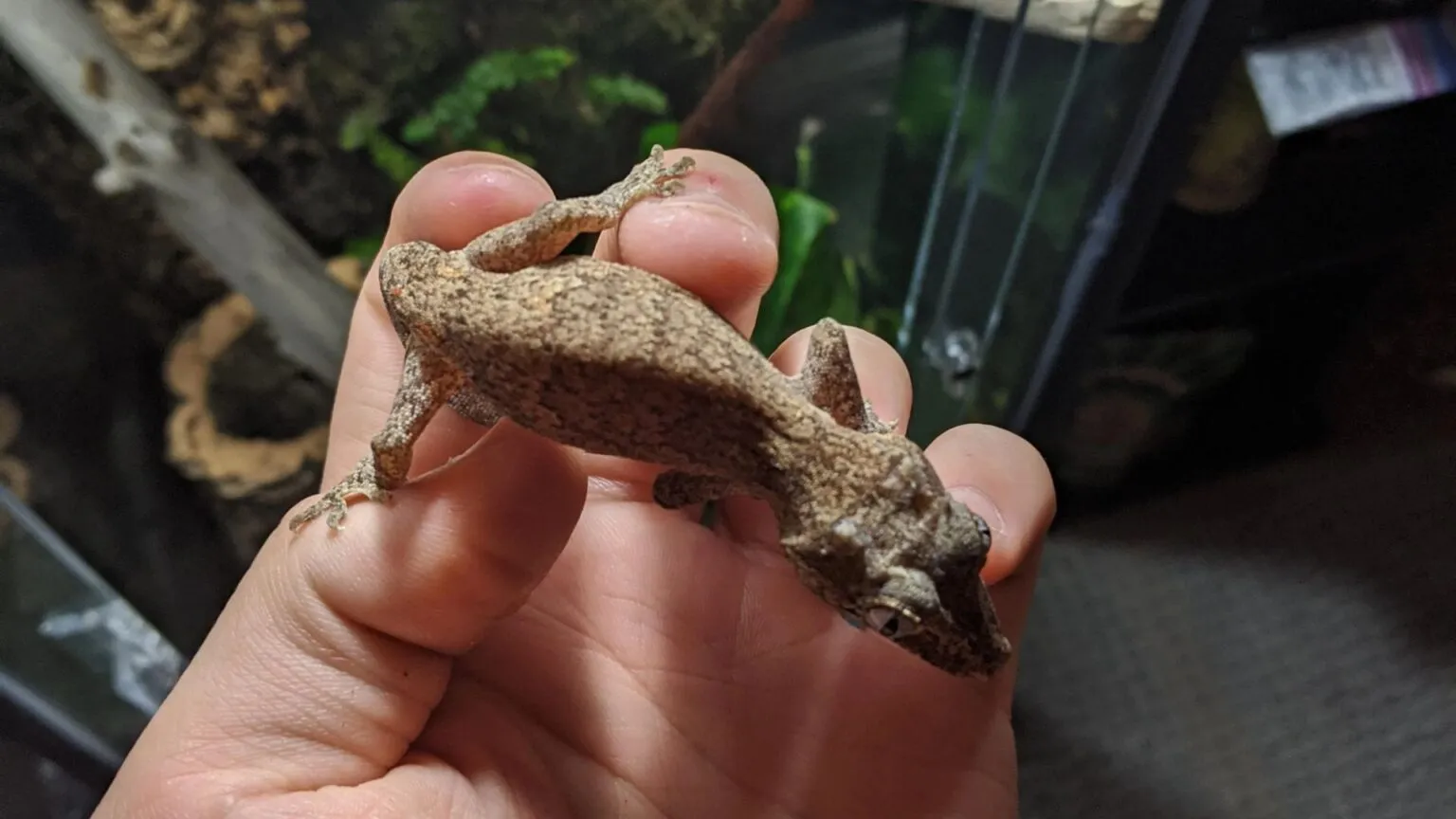
Choosing a pet is a significant decision, especially when considering exotic animals like the Tokay gecko and the tarantula. Both offer unique experiences for pet owners, but their needs and characteristics differ significantly. This article provides a comprehensive comparison of the Tokay gecko and the tarantula, focusing on their tank requirements, dietary needs, temperament, lifespan, and health concerns, to help you determine which pet is the right fit for your lifestyle and experience level. Understanding these differences is crucial for providing a healthy and fulfilling life for your chosen pet.
Tokay Gecko Tank vs Tarantula A Comparison
The decision between a Tokay gecko and a tarantula often comes down to personal preference, lifestyle, and the ability to meet the specific needs of each creature. While both are relatively low-maintenance pets compared to mammals, their care routines and environmental requirements vary. Tokay geckos are visually striking reptiles that require a more complex habitat with specific temperature and humidity levels. Tarantulas, on the other hand, need a more straightforward setup, focusing on substrate, humidity, and a secure enclosure. A thorough comparison across key aspects is essential to make an informed choice.
Tank Size and Setup Requirements
The size and setup of the enclosure are crucial for the health and well-being of both Tokay geckos and tarantulas. The right environment replicates their natural habitat, providing security and promoting natural behaviors. A properly designed tank also makes maintenance easier and helps prevent escapes, which can be a challenge with both species. This section details the specific requirements for each pet, ensuring you create an ideal living space.
Tokay Gecko Tank Setup

Tokay geckos require a vertically oriented enclosure, as they are arboreal creatures. A minimum size of 18x18x24 inches is recommended for a single adult, although larger is always better. The tank should include plenty of climbing opportunities such as branches, cork bark, and live or artificial plants. A substrate that retains humidity, such as coconut fiber or a bioactive substrate mix, is also essential. The tank needs a secure screen top to provide ventilation while preventing escape. Ensuring the tank is well-ventilated while maintaining the required humidity level is essential.
Tarantula Tank Setup
Tarantulas can be housed in a horizontally oriented enclosure. The size of the enclosure depends on the species and size of the tarantula, but a general guideline is to provide a tank that is at least twice the leg span of the tarantula in width and length. The depth of the substrate is crucial, allowing the tarantula to burrow if it’s a terrestrial species. A mixture of peat moss, vermiculite, and coconut fiber is a good substrate choice. Provide a water dish and a hide, such as a piece of cork bark or a pre-made hide, for the tarantula to feel secure. The enclosure should also have a secure lid to prevent escape, as tarantulas are known to be excellent climbers.
Climate Control Needs
Both Tokay geckos and tarantulas require specific temperature and humidity levels. Tokay geckos thrive in temperatures between 75-90°F (24-32°C) with a humidity level of 60-80%. This can be achieved by using a heat lamp or ceramic heat emitter for temperature and regular misting for humidity. For tarantulas, the ideal temperature range is between 70-85°F (21-29°C) with humidity levels varying depending on the species. Some species require higher humidity (70-80%) while others prefer drier conditions (50-60%). A reliable thermometer and hygrometer are essential to monitor and maintain these conditions.
Feeding and Diet

Understanding the dietary needs of Tokay geckos and tarantulas is crucial for their health and longevity. Both species are carnivores, but their preferred food sources and feeding routines differ significantly. Providing the correct diet ensures they receive essential nutrients, promoting growth and preventing health issues. This section outlines the specific feeding requirements for each pet, helping you prepare appropriate meals and establish a suitable feeding schedule.
Tokay Gecko Feeding Habits
Tokay geckos are insectivores, primarily eating live insects. Crickets, mealworms, roaches, and other insects are suitable choices. The insects should be gut-loaded with nutritious food before feeding them to the gecko. This process involves feeding the insects high-quality food, enriching their nutritional value. Feed adult Tokay geckos 3-4 times a week, offering as many insects as the gecko will eat in a single feeding session. Supplement their diet with calcium and vitamin D3 powder to ensure they receive adequate nutrients, especially for bone health. Fresh water should always be available in a shallow dish.
Tarantula Feeding Habits
Tarantulas are also carnivores, consuming primarily insects. Crickets, mealworms, and roaches are suitable options. The frequency of feeding depends on the age of the tarantula. Spiderlings may need to be fed 2-3 times a week, while adult tarantulas may only need to be fed once a week or even less frequently. Avoid overfeeding, as this can lead to health issues. Always remove uneaten food after 24 hours to prevent mold growth. A shallow water dish should always be available for the tarantula to drink from.
Dietary Considerations

Both Tokay geckos and tarantulas require a balanced diet. Ensure insects are pesticide-free and of high quality. Vary the insect types to provide a broader range of nutrients. The size of the prey should be appropriate for the size of the pet, avoiding insects that are too large. Proper nutrition is essential for a healthy and active pet. Always research the specific dietary needs of the species you choose, as requirements can vary slightly.
Temperament and Handling
The temperament of a pet is an important consideration, especially when interaction is desired. While both Tokay geckos and tarantulas can be fascinating to observe, their interactions with humans differ significantly. This section explores the temperament of each species and provides guidelines for safe and responsible handling, ensuring both the safety of the pet and the handler.
Tokay Gecko Temperament
Tokay geckos are known for their distinct personality, often described as territorial and defensive. They are not generally recommended for frequent handling. They possess a strong bite and can be prone to biting when feeling threatened. While some Tokay geckos may tolerate brief handling, it is essential to approach them cautiously and respect their boundaries. Regular interaction should focus on observing their behavior in the enclosure and providing the necessary care to avoid stress.
Tarantula Temperament

Tarantulas are generally not handled, and handling should be kept to a minimum. Their temperament varies by species, but most are defensive and may bite if they feel threatened. Some tarantulas have urticating hairs on their abdomens that they can flick at perceived threats, causing skin and eye irritation. Tarantulas are best appreciated as observational pets. Many keepers appreciate their beauty and behavior from a safe distance. Understanding the specific temperament of the tarantula species you have is crucial for responsible pet ownership.
Handling Guidelines
If handling is necessary (e.g., for health checks or enclosure maintenance), approach both Tokay geckos and tarantulas with caution. For Tokay geckos, use thick gloves to protect yourself from bites. For tarantulas, avoid handling unless absolutely necessary. If handling, gently coax the tarantula into a container using a soft brush. Always wash your hands thoroughly after handling any reptile or arachnid. Ensure the environment is safe and secure during any handling procedure to prevent escape.
Lifespan and Maintenance
The lifespan and maintenance requirements of a pet are critical factors to consider when making a decision. Both Tokay geckos and tarantulas can live for many years, and their care involves specific routines to ensure their well-being. Understanding the longevity of these pets and the tasks involved in their daily and long-term care will help you determine whether you can provide them with a suitable environment.
Lifespan Expectations

Tokay geckos can live for 10-20 years in captivity, while some may live even longer with excellent care. Tarantulas can live for a very long time, with females of some species living for 20-30 years or more, while males typically have shorter lifespans. The lifespan of both species is influenced by factors such as proper diet, appropriate housing, and the absence of disease. Commitment to providing the necessary care is crucial for maximizing the lifespan of these pets.
Maintenance Tasks
Regular maintenance is essential for both Tokay geckos and tarantulas. For Tokay geckos, this includes spot cleaning the enclosure daily, removing any waste, and fully cleaning the tank every few weeks. Regular misting to maintain humidity levels is also necessary. For tarantulas, maintenance involves removing uneaten food and molted exoskeletons and ensuring the water dish is always full. The substrate should be replaced as needed, typically every few months, depending on the species and how quickly it becomes soiled. Observe the pet’s behavior and the enclosure’s condition to determine maintenance frequency. These tasks are essential for preventing diseases and maintaining a healthy living environment.
Health and Common Issues
Understanding the potential health issues of both Tokay geckos and tarantulas is vital for responsible pet ownership. Both species can be susceptible to certain diseases and conditions. This section outlines common health concerns and how to prevent them, ensuring you can recognize any issues early and provide appropriate care. Regular observation and preventative measures contribute to the long-term health of these pets.
Tokay Gecko Health Concerns

Tokay geckos can be prone to respiratory infections if kept in environments with inadequate ventilation or incorrect temperatures. Metabolic Bone Disease (MBD) is a common issue if they don’t receive adequate calcium and vitamin D3 supplementation. Mouth rot can occur if the enclosure isn’t kept clean, and injuries can happen if they fall. Watch for signs of illness, such as lethargy, loss of appetite, or difficulty breathing. Regular veterinary checkups with a reptile specialist can help identify and address potential health problems early. Provide the right environment and nutrition to minimize these risks.
Tarantula Health Concerns
Tarantulas are generally hardy, but they can still be susceptible to certain issues. Parasites can be a problem, especially if the enclosure isn’t kept clean. Infections can occur if the tarantula is injured. Watch for signs of illness, such as lethargy, lack of appetite, or unusual behavior. The most common ailment is a ruptured abdomen, typically caused by falls. Maintaining proper substrate depth and avoiding unnecessary handling can help prevent injuries. Provide the correct environment and avoid stressing the tarantula to ensure its well-being. Consult a veterinarian specializing in exotic animals if any health concerns arise.
Choosing the Right Pet
Choosing between a Tokay gecko and a tarantula depends on your individual preferences, lifestyle, and experience. Tokay geckos require a more interactive setup and a higher degree of environmental control. Tarantulas are generally more hands-off pets, requiring a more straightforward setup and less interaction. Consider your willingness to handle the pet, your available time for care, and your comfort level with handling live insects. Researching the specific species you are interested in, including its temperament, needs, and care requirements, is essential to make an informed decision. Both pets can provide a rewarding experience if their needs are adequately met.
Ultimately, the best pet is the one you can care for responsibly and enjoy observing. Whether you choose a Tokay gecko or a tarantula, ensure you provide a healthy, stimulating environment. This will allow your pet to thrive and provide you with years of enjoyment. Careful consideration of all aspects of their care is crucial for a successful pet-keeping experience. Responsible pet ownership ensures the well-being of the animal and a fulfilling relationship for the owner.