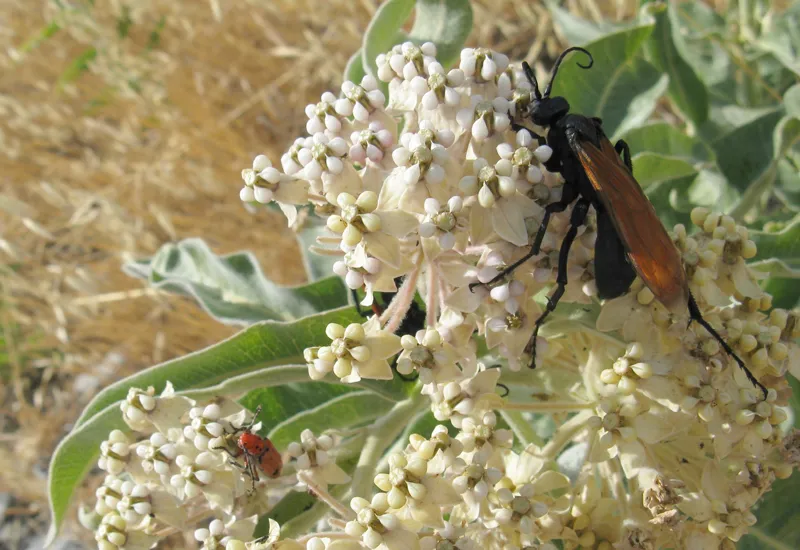
Tarantula Hawk Overview
Tarantula Hawks are a fascinating and formidable species of large wasps, renowned for their painful sting and their unique hunting habits. These impressive insects, belonging to the genus Pepsis, are primarily found in arid regions across the Americas. They are named for their specialized prey the tarantula spiders, which they paralyze and use as hosts for their larvae. But despite their fearsome reputation, tarantula hawks are not invincible. Several animals have evolved strategies to prey on these stinging giants, navigating the risks to secure a meal. Understanding the predators of tarantula hawks is crucial for appreciating the intricate balance of ecosystems where these wasps thrive. This blog post explores the top five known predators of tarantula hawks, shedding light on their hunting behaviors and survival strategies.
Predator 1 The Roadrunner
The Greater Roadrunner, a swift-footed bird native to the southwestern United States and Mexico, is a well-known predator of the tarantula hawk. Roadrunners are opportunistic hunters, with a diverse diet that includes insects, lizards, snakes, and small mammals. Their ability to run at speeds up to 20 miles per hour and their keen eyesight make them effective hunters. The roadrunner’s agility and speed are critical in catching tarantula hawks, which can be quite evasive. They are one of the few predators that have mastered the art of capturing these wasps, even when they are moving at high speed or maneuvering to attack.
Roadrunner Hunting Techniques

Roadrunners employ several techniques to hunt tarantula hawks. They often stalk the wasps, utilizing their speed to close the distance quickly. Roadrunners may also ambush them near nests or areas where they are likely to be active. The bird’s quick reflexes allow it to snatch the wasp mid-flight or strike it before it can mount a defense. Roadrunners typically kill the wasp by pecking and beating it against the ground, rendering it harmless before consuming it. Their hunting techniques showcase their adaptability and hunting prowess, allowing them to successfully prey on a creature as formidable as the tarantula hawk.
Roadrunner Defensive Strategies Against Tarantula Hawks
Despite their hunting success, roadrunners also face the risk of being stung by tarantula hawks. To mitigate this, they have developed defensive strategies. Roadrunners often approach the wasps cautiously, giving them space to assess the situation. They are known to target the wasps from the side or rear, where they can avoid the direct sting. Their quick movements and ability to dodge attacks also help them avoid the wasp’s stinger. Moreover, the roadrunner’s thick feathers offer some protection against stings, although this is not foolproof, and roadrunners have been observed displaying signs of distress after being stung. This demonstrates an ongoing evolutionary arms race between predator and prey.
Predator 2 The Fox
Foxes, particularly the gray fox and kit fox in areas where tarantula hawks are present, are also known to include tarantula hawks in their diet. Foxes are opportunistic omnivores, meaning they eat a variety of foods. They are well-equipped hunters with keen senses of smell and hearing. Foxes are able to locate the wasp nests or observe their behavior, giving them a tactical advantage. The foxes’ ability to adapt their diet based on the availability of food sources makes them versatile predators in the desert or arid ecosystems where the tarantula hawks thrive.
Fox Hunting Behaviors

Foxes utilize a combination of strategies to hunt tarantula hawks. They might dig into the ground to reach wasp nests, preying on both the larvae and the adult wasps. They have also been observed capturing the wasps on the wing, although this is a less common occurrence. Foxes typically use their agility and intelligence to locate and exploit the vulnerabilities of tarantula hawks. They may also patrol areas where tarantula hawks are active, such as near water sources, in search of easy prey. Their hunting behavior shows their adaptability and efficiency, making them effective predators in their respective habitats.
Fox Dietary Habits
Besides tarantula hawks, foxes’ diet consists of various other insects, small mammals, birds, and plants. This varied diet allows foxes to survive in environments where food resources are scarce. Their ability to alter their diet is a key factor in their survival and success. When tarantula hawks are abundant, they are likely to be an essential food source, especially during the wasps’ active seasons. The flexible dietary habits of foxes make them a significant component of the ecosystem, helping control insect populations, and influencing the dynamics of predator-prey relationships.
Predator 3 The Opossum
Opossums, North America’s only marsupials, are opportunistic omnivores known to consume a wide variety of food items, including insects. Their ability to adapt to different food sources makes them potential predators of tarantula hawks. They are frequently found in various habitats, from forests to urban environments. Opossums often scavenge for food, but their hunting capabilities and flexible diet make them well-suited to preying on tarantula hawks, particularly the larvae and adults that are easier to access.
Opossum Diet and Survival
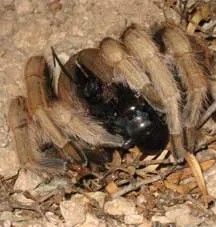
The diet of an opossum includes fruits, plants, insects, small animals, and carrion. Their digestive system is highly adaptable, allowing them to process almost anything they eat. This dietary flexibility is a key factor in their survival, allowing them to inhabit many environments. Opossums are known to eat various types of insects, including wasps. Their adaptability and scavenging habits increase their chances of encountering tarantula hawks, either as adults or larvae in nests.
Opossum Defense Mechanisms
Opossums have several defensive mechanisms, including ‘playing dead,’ a response to threat. When threatened, they enter a catatonic state, appearing lifeless, which often deters predators. Furthermore, they possess sharp claws and teeth that help in defense and foraging. Although these are not foolproof defenses against tarantula hawks, these adaptations contribute to their survival and give them some advantage against predators.
Predator 4 The Lizard
Lizards are frequent predators of insects, including wasps, and some species are known to prey on tarantula hawks. The specific species that hunt them vary based on geographic location, but the general hunting behavior and adaptations remain consistent. Lizards are well-suited for ambush and active hunting, making them effective predators of insects. Their speed, camouflage, and hunting strategies make them a threat to adult wasps, as well as larvae within their nests.
Lizard Hunting Tactics

Lizards use a combination of ambush and active hunting tactics. They may hide and wait for insects to come close or actively pursue their prey. Their quick reflexes and ability to move swiftly allow them to capture tarantula hawks. Many lizards have excellent vision, which they use to spot and target prey. Lizards use their sharp teeth to capture and kill their prey. Their ability to blend with their surroundings and their hunting skills contribute to their success as predators.
Lizard Adaptations to Survive
Lizards have several adaptations that enhance their survival. They can quickly escape danger, using speed and agility to evade predators. Many lizards have camouflage capabilities. Their tough scales also offer physical protection against threats. They are also capable of dropping their tails to distract predators, an escape mechanism that provides them with a chance to get away. These adaptive characteristics, coupled with their hunting skills, enable lizards to thrive in their ecosystems.
Predator 5 The Spider
Although tarantula hawks prey on tarantulas, it is possible for spiders to prey on these wasps. This is unusual, and it often involves spiders capable of subduing insects, such as certain types of web-building spiders or larger ambush spiders. These spiders may capture the tarantula hawks in their webs or ambush them. The spiders’ ability to produce venom to paralyze and kill their prey is critical to the success of such attacks. The predation of tarantula hawks by spiders showcases the complexity of predator-prey relationships, where unusual dynamics can occur.
Spider Survival Strategies

Spiders have unique survival strategies. Their ability to spin webs allows them to trap unsuspecting insects. They are also able to ambush prey, waiting for their chance to attack. Spiders also have venom which they inject into prey to paralyze and kill them. Moreover, they have the ability to hide and blend with their surroundings. This adaptability and combination of strategies make them efficient predators, even capable of capturing formidable insects like tarantula hawks. The unique characteristics of different spider species contribute to their survival and impact on their ecosystems.
Spider Dietary Habits
Spiders are mostly carnivorous, feeding on a wide range of insects and other small animals. Their diet mainly consists of arthropods, but they can also consume small vertebrates in some cases. They use their specialized mouthparts and digestive systems to feed on their prey. Spiders ingest their food by injecting digestive enzymes into the prey and then consuming the liquid remains. The spiders’ diverse eating habits and hunting strategies allow them to thrive in various habitats, influencing the dynamics of food webs.
Conclusion
Tarantula hawks, with their imposing size and painful stings, appear to be at the top of the food chain in their world. However, even these formidable insects face threats from various predators, including roadrunners, foxes, opossums, lizards, and even certain spiders. These predators have developed a variety of hunting strategies, from ambush tactics to speed and agility, to exploit the vulnerabilities of tarantula hawks. Understanding these predator-prey relationships is vital to appreciate the complexity and balance of ecosystems, where survival depends on adaptation, resilience, and the ever-changing dynamics of life. These interactions underscore the intricate interconnections within the natural world, demonstrating that no creature, no matter how formidable, is entirely invulnerable.