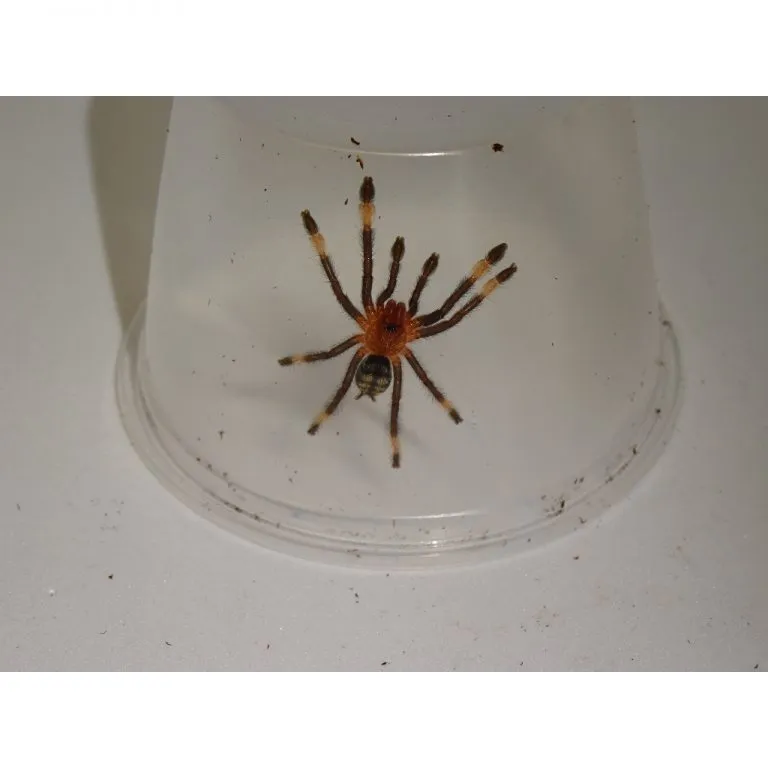
What is the Venezuelan Suntiger Tarantula (Psalmopoeus irminia)
The Venezuelan Suntiger Tarantula, scientifically known as Psalmopoeus irminia, is a captivating and sought-after species within the tarantula hobby. Native to the tropical forests of Venezuela, Guyana, and Trinidad, this arboreal tarantula is known for its striking appearance and relatively manageable care requirements. These spiders are characterized by their vibrant coloration and active behavior, making them an interesting pet for both novice and experienced keepers. Suntigers are known for their speed and agility, adding an exciting element to their care. Understanding their natural habitat and specific needs is crucial for providing them with a thriving environment and a long, healthy life. Their popularity has surged in recent years due to their beauty and the unique behaviors they display.
Appearance of the Venezuelan Suntiger Tarantula
The Venezuelan Suntiger Tarantula is a visual spectacle. Their most prominent feature is the vibrant coloration. The carapace, or the top part of the cephalothorax, is typically a deep, glossy black, which contrasts beautifully with the orange or reddish hairs that cover the legs and abdomen. This striking color combination is what gives them their common name, Suntiger. Their legs are long and slender, perfectly adapted for climbing and navigating their arboreal habitat. The abdomen also exhibits a pattern of darker markings, adding to their overall appeal. The size and intensity of the colors can vary slightly depending on the individual spider and its stage of development. Younger specimens often display slightly less intense coloration, which intensifies as they mature. The contrast of colors makes them a prized species for tarantula enthusiasts.
Size and Lifespan

Venezuelan Suntiger Tarantulas are considered a medium-sized tarantula species. Females typically reach a leg span of about 5 to 6 inches, while males are often slightly smaller. The lifespan of these tarantulas varies depending on gender, with females generally living much longer than males. Females can live for 10 to 15 years or even longer with proper care. Males, on the other hand, have a shorter lifespan, typically living for only 2 to 3 years after reaching maturity. The difference in lifespan is a common characteristic among tarantula species. This information is crucial when deciding to own one because it influences the commitment and care required over time. These variations underscore the importance of understanding the specific needs of each gender.
Habitat and Enclosure
Creating a suitable habitat for your Venezuelan Suntiger Tarantula is crucial to its well-being. They are arboreal, meaning they prefer to live in trees, so their enclosure should reflect this. The ideal setup provides ample space for climbing and hiding, replicating their natural environment. The enclosure should be secure, well-ventilated, and easy to maintain. Choosing the right enclosure size, substrate, and decor will significantly impact your tarantula’s health and happiness. The key is to balance practicality with providing an enriching environment that allows the tarantula to exhibit natural behaviors. Attention to detail in enclosure design ensures the tarantula’s comfort and security.
Enclosure Size
The size of the enclosure is a critical factor in providing a comfortable environment for your Venezuelan Suntiger. A good rule of thumb is to provide an enclosure that is at least three times the tarantula’s leg span in width and height. For an adult, a terrarium measuring approximately 12x12x18 inches or larger is recommended. The enclosure should be taller than it is wide, reflecting their arboreal lifestyle. Ensure the enclosure has a secure lid to prevent escapes. It’s also important to provide adequate ventilation to prevent the buildup of humidity and maintain a healthy environment. Providing enough space will give the tarantula room to move around, explore, and feel safe.
Substrate and Decor

The substrate forms the base of the enclosure and is essential for maintaining proper humidity levels. A mix of substrate materials is often the best approach. A combination of coco fiber, peat moss, and a small amount of vermiculite works well. This mix retains moisture effectively while allowing for good drainage and ventilation. The depth of the substrate should be sufficient to allow the tarantula to burrow slightly if it chooses, typically around 2-4 inches. Adding decor such as cork bark, branches, and artificial plants provides climbing surfaces and hiding places, which are crucial for the tarantula’s well-being. These elements encourage the tarantula to feel secure and express its natural behaviors. Make sure all decor items are non-toxic and securely placed within the enclosure.
Temperature and Humidity
Maintaining the correct temperature and humidity levels is vital for the health of your Venezuelan Suntiger. The ideal temperature range is between 75°F and 85°F (24°C and 29°C). This can be achieved using a heat mat placed on the side of the enclosure or a low-wattage heat lamp. It is crucial to avoid placing the heat source directly under the enclosure to prevent the substrate from drying out too quickly. Humidity levels should be maintained between 70% and 80%. This can be achieved by lightly misting the enclosure with dechlorinated water every few days and by ensuring adequate ventilation. Using a hygrometer to monitor humidity levels is highly recommended. Regular monitoring and adjustments will ensure your tarantula thrives in a stable and suitable environment.
Feeding Your Venezuelan Suntiger
Feeding your Venezuelan Suntiger Tarantula properly is essential for its health and development. These tarantulas are voracious eaters and have a hearty appetite. The diet should consist primarily of live insects, which provide the necessary nutrients for growth and energy. Providing the right food and feeding schedule will help ensure that your tarantula remains healthy and active. A well-nourished tarantula is more likely to thrive in its enclosure and exhibit its natural behaviors, making it a rewarding pet for any enthusiast. The type and frequency of feeding are important aspects of their care.
What to Feed

The main diet of a Venezuelan Suntiger Tarantula should consist of live insects. Suitable options include crickets, mealworms, roaches, and other commercially available insects. The size of the prey should be appropriate for the size of your tarantula. As a general rule, the prey should be no larger than the tarantula’s body length. Variety in the diet is beneficial, so consider offering different types of insects. Always ensure that the insects are gut-loaded, meaning they are fed nutritious food before being offered to your tarantula. This ensures the tarantula receives a complete and balanced diet. Avoid feeding wild-caught insects, as they may carry parasites or pesticides that could harm your tarantula.
How Often to Feed
The feeding frequency for your Venezuelan Suntiger Tarantula depends on its age and size. Spiderlings and juveniles typically need to be fed more often, usually every 2 to 3 days. Adult tarantulas can be fed less frequently, typically once a week or every other week. Observe your tarantula’s behavior to gauge its appetite. If it readily consumes its prey, you can continue with your feeding schedule. If it appears to be refusing food, it may be nearing a molt or not be hungry. Always remove any uneaten prey within 24 hours to prevent them from stressing your tarantula. Adjust the feeding schedule as needed based on the tarantula’s activity level and overall condition.
Handling and Safety
Handling a Venezuelan Suntiger Tarantula should be approached with caution. While they are not considered highly aggressive, they can be fast and unpredictable. Handling should only be done when necessary, such as for enclosure maintenance or health checks. If you choose to handle your tarantula, it’s important to be calm and move slowly. Always be aware of your tarantula’s body language and be prepared for it to move quickly. Keep the tarantula close to the ground in case it falls. Prioritizing the tarantula’s safety and well-being when handling is paramount to avoid injury to both the spider and the handler.
Venom and Bites

Venezuelan Suntiger Tarantulas possess venom, as do all tarantulas. While their venom is not considered medically significant to humans, a bite can be painful and cause localized symptoms such as redness, swelling, and itching. It is important to minimize the risk of being bitten by avoiding unnecessary handling. If bitten, clean the bite area with soap and water. Monitor for any signs of an allergic reaction or serious symptoms and seek medical attention if necessary. The best way to avoid a bite is to respect the tarantula’s space and avoid provoking it.
Venenzuelan Suntiger Tarantula Health
Maintaining the health of your Venezuelan Suntiger Tarantula requires a keen understanding of its specific needs and regular observation. Providing a proper environment, a balanced diet, and attentive care can greatly enhance the longevity and overall well-being of your pet. Recognizing signs of illness and being prepared to address any issues promptly is key to successful tarantula ownership. Regular health checks and a proactive approach to care will help you ensure your Suntiger remains healthy and thrives in its enclosure.
Common Health Issues
Like all tarantulas, Venezuelan Suntigers can be susceptible to certain health issues. One common issue is dehydration, which can be prevented by ensuring proper humidity levels and providing a shallow water dish. Another potential problem is mite infestations, which can be controlled by maintaining a clean enclosure and quarantining new specimens. Other issues, such as fungal infections, may arise from improper ventilation or substrate conditions. Regular observation is essential to identify and address potential health problems early on. Knowing the common issues and recognizing symptoms will help you provide prompt care.
Shedding and Molting

Molting is a natural process in which tarantulas shed their exoskeletons to allow for growth. This process is crucial for the tarantula’s development. During molting, the tarantula becomes vulnerable, and it’s essential to avoid disturbing it. The frequency of molting depends on the tarantula’s age, with younger tarantulas molting more frequently. Signs that a tarantula is about to molt include a change in color, lethargy, and a refusal to eat. After molting, the tarantula will be soft and vulnerable for a few days. During this time, it’s best not to offer food until the exoskeleton has fully hardened. Providing a safe, undisturbed environment during this critical period will ensure the tarantula successfully completes its molt.