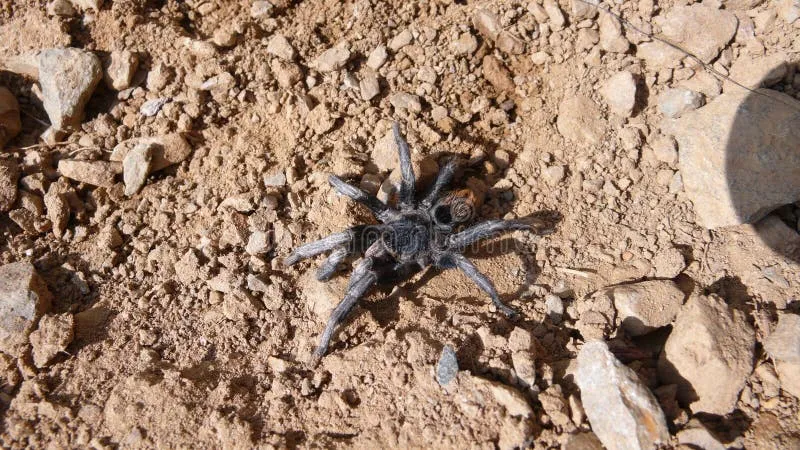
Wasp vs Tarantula: The Deadly Encounter
The natural world is a stage for some of the most dramatic and brutal battles imaginable, and one of the most captivating is the wasp tarantula fight. This clash of titans, where a relatively small but incredibly formidable predator, the tarantula hawk wasp, engages in a life-or-death struggle with a much larger, but not necessarily stronger, tarantula spider. This isn’t just a fight for survival; it’s a demonstration of nature’s intricate strategies, showcasing the wasp’s predatory prowess and the tarantula’s desperate defense mechanisms. Understanding this battle requires delving into the biology, behaviors, and tactics of both creatures, which can lead to a deeper appreciation of the complex ecosystem they inhabit. This guide will provide insights into the dynamics of this epic struggle, explaining why the wasp often emerges victorious and what the tarantula can do to increase its chances of survival.
The Players: Wasp and Tarantula
The tarantula hawk wasp (Pepsis grossa) is a large, strikingly colored wasp, often displaying a deep blue-black body and vibrant orange wings. This insect is one of the largest wasps in the world, reaching up to 2 inches in length. Its sting is famously painful, ranking among the most painful insect stings known to humans. The tarantula, a large, hairy spider, is a formidable predator in its own right, equipped with powerful fangs and a venomous bite. Tarantulas can vary significantly in size, with some species exceeding a foot in leg span. These spiders are typically nocturnal hunters, ambushing their prey in burrows or under cover. The wasp, however, is an aerial predator, adept at flying and able to maneuver quickly, making it a formidable opponent in a fight. The contrast between the wasp’s agility and the tarantula’s size creates a fascinating dynamic within the encounter.
The Tarantula Hawk Wasp’s Arsenal

The tarantula hawk wasp is equipped with several key features that make it a successful predator. Its primary weapon is its potent sting, which delivers a paralytic venom. The wasp uses this venom to immobilize the tarantula, which is crucial for the next stage of its predatory behavior. Additionally, the wasp has strong legs and mandibles that aid in grasping and maneuvering the spider. The wasp is incredibly agile, able to fly quickly and change direction, which gives it an advantage in aerial combat. Furthermore, the wasp is armored, with a tough exoskeleton that helps it survive the tarantula’s defensive attacks. This combination of venom, agility, and physical resilience makes the wasp a dangerous predator. It is a specialized hunter, perfectly adapted to target and subdue a creature many times its size.
The Tarantula’s Defenses and Offense
The tarantula, while large and imposing, has a few defenses it can employ during a confrontation with a tarantula hawk wasp. Primarily, the tarantula can try to bite or use its fangs to pierce the wasp. It can also use its urticating hairs, tiny irritating hairs on its abdomen, which it flicks towards its attacker. These hairs cause significant irritation and can deter the wasp. Some tarantulas may attempt to flee or retreat into their burrows, but this isn’t always possible. The tarantula’s size and strength are considerable advantages; however, the wasp’s agility and venom often give it the upper hand. A tarantula’s ability to withstand injury is also relatively high, but the wasp’s venomous sting can ultimately prove to be a game-changer, rendering the spider helpless.
Understanding the Battle Dynamics
The wasp tarantula fight is a carefully orchestrated sequence of events. The wasp typically approaches the tarantula cautiously, often landing nearby to assess the situation. Once the wasp has the opportunity, it will attempt to sting the tarantula, a move aimed at paralyzing the spider. The tarantula, in turn, attempts to defend itself, often trying to bite or employ its urticating hairs. The wasp has to navigate the tarantula’s defenses, avoid its fangs, and find a vulnerable spot to deliver a paralyzing sting. The fight can be a dynamic exchange of attacks and defenses. The wasp’s approach can vary, with some wasps preferring a quick sting, and others opting for a series of stinging attempts until successful. The outcome of the battle depends on several factors, including the size and species of both opponents, as well as environmental conditions.
The Stinging Strategy of the Wasp

The wasp’s stinging strategy is the most critical aspect of its attack. The tarantula hawk wasp needs to locate the most vulnerable areas of the tarantula to deliver its sting effectively. The venom acts rapidly to paralyze the spider, allowing the wasp to proceed to the next stage of its plan. Often, the wasp will target the underside of the tarantula, or between the legs, avoiding areas covered by the spider’s dense hairs. Once the tarantula is immobilized, the wasp is free to drag it to a prepared burrow. The wasp will then lay a single egg on the tarantula’s abdomen. The egg hatches into a larva, which will feed on the paralyzed spider. The wasp carefully calculates the placement of its sting to ensure that the tarantula remains alive, yet paralyzed, to serve as a food source for its offspring. This precise stinging strategy highlights the wasp’s advanced predatory skills.
The Tarantula’s Struggle for Survival
The tarantula’s struggle for survival during a wasp attack is a test of its defensive capabilities and resilience. The spider’s initial reaction might be to stand its ground and attempt to defend itself, using its fangs or urticating hairs. However, the effectiveness of these defenses is limited against the wasp’s speed, agility, and venom. If the tarantula is unable to ward off the wasp’s sting, it becomes paralyzed. The spider then has no further control over its fate. Even if the tarantula escapes the initial attack and retreats, the wasp will often pursue it, or locate its burrow. This makes it extremely difficult for the spider to escape this deadly encounter. Survival depends on a combination of factors, including the spider’s size, agility, and the wasp’s skill and persistence.
The Outcome of the Fight
The typical outcome of a wasp tarantula fight favors the wasp. The tarantula is often stung and paralyzed, becoming a host for the wasp’s offspring. The wasp will then drag the spider to its burrow. However, it’s not always a complete victory for the wasp. Some tarantulas may escape the initial attack or, due to their size and strength, they may manage to fight off the wasp. There are instances where the wasp is killed by the tarantula. The outcome of the fight is also influenced by environmental factors. If the fight occurs in an open area with no cover, the wasp will have an advantage, as it can easily maneuver around the tarantula. If the battle takes place near the tarantula’s burrow, the spider may have the advantage by retreating. The fate of both creatures often dictates the future of their respective species. The wasp is secured with a food source and the tarantula provides a rare meal.
What Determines the Victor

Several factors determine the outcome of the wasp tarantula fight. The size and species of both the wasp and tarantula are critical. Larger wasps and smaller tarantulas tend to lead to a higher success rate for the wasp. The tarantula’s defensive capabilities, such as the effectiveness of its urticating hairs and its ability to bite, also play a role. The wasp’s stinging strategy is also critical; a well-placed sting will guarantee its success. Environmental factors can tip the balance. The presence of cover or escape routes might give the tarantula a chance to survive, while an open area favors the wasp. Ultimately, the outcome is a combination of these factors, making each encounter unique.
Why the Wasp Often Wins
The wasp’s success in the tarantula fight is due to a combination of factors that make it the superior predator in this scenario. The wasp’s potent venom is specifically designed to paralyze its prey, giving it a significant advantage over the tarantula. The wasp’s agility and flight capabilities allow it to maneuver around the tarantula’s defenses and deliver the paralyzing sting. Furthermore, the wasp’s tough exoskeleton provides protection against the tarantula’s bites and defensive maneuvers. The wasp’s instinctive behavior, honed over generations, allows it to choose the best strategy for each encounter, maximizing its chances of success. The wasp is a specialized predator, perfectly adapted to target and subdue tarantulas.
Survival Tips for the Tarantula
While the odds are often stacked against the tarantula, there are a few survival strategies it can employ to increase its chances. The tarantula can attempt to flee the scene immediately after a wasp attack. The tarantula can also attempt to bite or use its urticating hairs to deter the wasp. If the tarantula is near its burrow, retreating into it can provide a secure defense. However, the tarantula’s survival depends on a quick and decisive response, as the wasp can quickly inject its venom and immobilize its prey. The best strategy for the tarantula to employ is awareness and a quick response, but the wasp’s superior hunting skills often prevail.
Avoiding the Wasp’s Attack

Avoiding the wasp’s attack completely is the best strategy for the tarantula. This is difficult because the wasp is an aggressive hunter, but the tarantula can take steps to reduce its exposure to the threat. If the tarantula senses the presence of a wasp, it should avoid open areas and seek shelter immediately. Tarantulas that live in burrows have a considerable advantage, as they can retreat and seal themselves in. Staying hidden during the wasp’s active hunting periods, typically during daylight hours, can also help avoid an encounter. These preventative measures are not a guarantee of survival, but they can increase the tarantula’s chances of staying safe.
Escaping the Battle
If the tarantula is attacked, its main goal is to escape before it is paralyzed. The tarantula must try to disorient the wasp by attempting to bite or flicking urticating hairs. If the tarantula can retreat quickly, it should make for its burrow or any available cover. However, escaping is difficult if the wasp is already stinging. The speed and agility of the wasp make it hard to evade. The key to survival is a quick and decisive response. Escaping can give the tarantula a chance to survive. Although not always successful, this strategy gives the tarantula a chance.
How the Fight Benefits the Wasp
The tarantula fight is a crucial part of the wasp’s reproductive cycle. The wasp’s survival depends on its ability to provide food and shelter for its offspring. After paralyzing the tarantula, the wasp drags the spider to a burrow. Here, it will lay a single egg on the tarantula’s abdomen. Once the egg hatches, the larva begins to feed on the paralyzed tarantula, consuming it slowly from the inside out. This provides the wasp larva with a constant supply of food, ensuring that it can develop into an adult wasp. The wasp’s behavior is a testament to the power of instinct, and it shows the complex relationship between predator and prey.
The Wasp’s Reproductive Cycle

The wasp’s reproductive cycle centers around the tarantula. After the wasp successfully paralyzes the tarantula, it transports the spider to a pre-existing burrow or digs a new one. The wasp then lays a single egg on the tarantula’s abdomen. The egg hatches into a larva, which is the wasp’s immature form. The larva feeds on the tarantula, slowly consuming it. The wasp larva grows, molting several times. Once the larva has consumed the tarantula, it pupates, transforming into an adult wasp. The adult wasp then emerges from the burrow, ready to begin the cycle again. The entire process is an elaborate example of nature’s intricate design, showcasing the co-evolution of predator and prey.
The Tarantula as a Food Source
The tarantula serves as a critical food source for the wasp larva. The paralyzed tarantula provides a readily available, nutritious meal for the developing larva. The wasp larva eats the tarantula over several weeks. It consumes all of the spider, leaving only the exoskeleton. This ensures the wasp larva gets all the necessary nutrients to develop into an adult wasp. The tarantula is a perfect food source because it is immobile. The wasp larva has no risk of being attacked. The tarantula’s role as a food source is essential for the survival of the wasp species. The efficiency of the wasp’s use of the tarantula as a food source demonstrates the intricacies of the natural world and the complex interactions between species in an ecosystem.