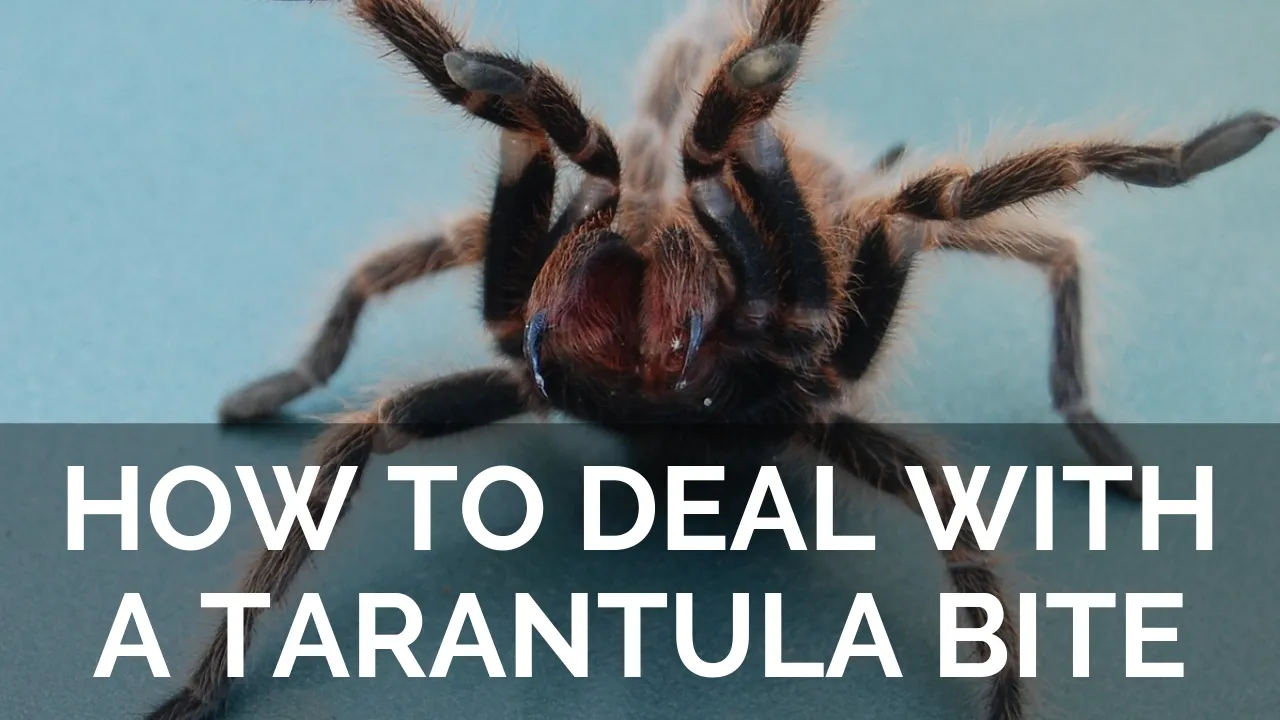
Worst Tarantula Bite Ever Top 5 Facts!
Tarantulas, with their imposing size and hairy legs, often evoke a mix of fascination and fear. While not typically deadly to humans, a tarantula bite can be a harrowing experience. This article delves into the realities of tarantula bites, separating fact from fiction, and providing crucial information on what makes a tarantula bite potentially ’the worst’. We’ll explore the factors influencing bite severity, the types of tarantulas to be wary of, the symptoms to watch out for, and the necessary first aid and preventative measures. Understanding these aspects is essential for anyone who encounters these fascinating arachnids. This guide aims to equip you with the knowledge to stay safe and informed.
Fact 1 Severity of Tarantula Bites
The severity of a tarantula bite is not uniform; it varies considerably depending on several factors. The amount of venom injected, the individual’s sensitivity, and the tarantula species all play significant roles. While most tarantula bites are comparable to a bee sting, some can cause more severe reactions. It’s essential to understand that the venom composition differs among tarantula species, impacting the type and intensity of symptoms experienced. Additionally, an individual’s allergic reaction to the venom can significantly amplify the effects of the bite. The size of the tarantula and the location of the bite on the body also can change the impact.
Venom Composition and Effects

Tarantula venom is a complex cocktail of toxins, with varying effects. Some compounds cause localized pain, swelling, and redness, while others can induce muscle cramps or more systemic reactions. The venom’s composition is a key determinant of the bite’s severity. Certain toxins target the nervous system, causing more intense pain and potentially affecting motor functions. The amount of venom injected, which can vary with each bite, also influences the intensity of the reaction. Understanding these venom components is critical in assessing the potential dangers of a tarantula bite and in developing effective treatments. Different tarantulas have different venom mixtures, impacting the bite’s overall effect on the victim. This is the reason why not all bites are equal.
Individual Reactions and Allergic Responses
Individual reactions to tarantula bites vary widely. Some people experience minimal symptoms, while others exhibit more pronounced responses. Allergic reactions can significantly escalate the bite’s severity. Even a small amount of venom can trigger a strong immune response, leading to symptoms like difficulty breathing, hives, and swelling of the throat. People with pre-existing allergies or sensitivities are at higher risk of severe reactions. It is difficult to predict how an individual will react to a tarantula bite. Observing the body’s reaction and seeking medical attention promptly is important for those experiencing severe or unusual symptoms. This is especially true if you have known allergies, as allergic reactions can be life-threatening.
Fact 2 Types of Tarantulas with the Worst Bites
Not all tarantulas pose the same level of threat. Some species are known for their potent venom or aggressive nature, making their bites potentially more problematic. This section will distinguish between different groups of tarantulas, specifically focusing on those that are more likely to deliver a ‘worst’ bite. Understanding these distinctions is important for risk assessment and adopting appropriate safety measures. While most tarantulas possess venom, not all are created equal in their ability to cause significant harm. Their behavior and defense mechanisms also play important roles in bite severity. The following breakdown helps in identifying potentially more dangerous species.
New World vs Old World Tarantulas

Tarantulas are broadly categorized into New World and Old World species, which can influence their bite characteristics. Generally, Old World tarantulas are considered more aggressive and have more potent venom compared to most New World species. This makes the former group more likely to inflict a painful bite. New World tarantulas, native to the Americas, often possess urticating hairs, which they can flick at perceived threats. These hairs can cause significant irritation, but their venom is generally less potent than Old World species. Old World tarantulas, originating from Asia, Africa, and Australia, typically lack urticating hairs and rely more on their venom. These differences in defense mechanisms and venom composition influence the overall bite experience.
Specific Tarantula Species to Avoid
Certain tarantula species are notorious for delivering more painful or severe bites. These include species from the genera Poecilotheria (ornamental tarantulas) and some of the larger, more aggressive species from Africa and Asia. These tarantulas are known for their potent venom and quick, defensive behavior. While the bites are rarely fatal, they can cause intense pain, muscle cramps, and other debilitating symptoms. Identifying and avoiding these species, if you live in areas where they are found, is essential. Always exercise extreme caution around any tarantula, and be especially careful with those known for their aggressive tendencies or potent venom. Researching the specific species found in your area is always wise.
Fact 3 Symptoms of a Severe Tarantula Bite
Recognizing the symptoms of a severe tarantula bite is crucial for prompt treatment. While many bites result in mild discomfort, some can cause more significant problems. This section will cover the key indicators of a severe reaction, helping you to quickly assess the situation and seek appropriate medical attention. Understanding these symptoms will help in making informed decisions when dealing with such bites. The symptoms can vary based on the tarantula species, individual sensitivity, and the amount of venom injected. It is important to know what to look for to determine the severity and necessary course of action, especially when children or the elderly are involved. Prompt medical care can prevent complications.
Immediate Pain and Swelling

One of the most immediate and noticeable symptoms of a tarantula bite is pain. The pain can range from a mild sting to intense throbbing, depending on the species and individual sensitivity. Swelling often occurs at the bite site, which can be accompanied by redness and warmth. In severe cases, the swelling may spread beyond the immediate area, potentially affecting an entire limb. The initial pain can be followed by other symptoms, and it is important to monitor the situation and note any changes. Keeping the affected area elevated can help to reduce swelling. Applying a cold compress can also help mitigate the pain and inflammation. Be aware of any unusual changes or worsening of symptoms.
Systemic Symptoms Fever and Nausea
Beyond the localized effects, more severe tarantula bites can cause systemic symptoms, indicating a broader impact on the body. These can include fever, nausea, muscle cramps, and, in rare cases, difficulty breathing. Fever and nausea can indicate that the venom is affecting the body’s overall systems. Muscle cramps might develop due to the toxins in the venom, leading to involuntary contractions. If any of these symptoms occur, it’s crucial to seek immediate medical attention. These symptoms can indicate a severe allergic reaction or a significant amount of venom injected. Prompt medical treatment is essential to manage these symptoms and prevent further complications. The combination of these symptoms necessitates immediate action.
Fact 4 First Aid and Medical Treatment
Knowing the appropriate first aid steps and when to seek medical attention is critical after a tarantula bite. This section will detail the immediate actions to take and the medical treatments that may be necessary. The goal of first aid is to minimize the impact of the bite and to prevent complications. Medical treatment might be required to manage symptoms and address any allergic reactions. The swift implementation of first aid, along with the ability to assess the need for professional medical help, can make a significant difference in the outcome. Preparing in advance and knowing what to do in such a situation can provide peace of mind.
Immediate Actions

The immediate steps after a tarantula bite involve remaining calm and taking swift action. First, wash the bite area thoroughly with soap and water. Then, apply a cold compress to reduce pain and swelling. Elevate the affected limb to minimize swelling. Monitor the bite site and the individual for any unusual symptoms, such as difficulty breathing, dizziness, or severe swelling. Do not attempt to suck out the venom or apply a tourniquet. It is important to remain calm and seek medical attention if symptoms worsen or if there are signs of a severe reaction. Documenting the event with pictures or video can be helpful for medical professionals. This documentation helps to determine the appropriate course of action.
When to Seek Medical Attention
It is essential to know when to seek professional medical attention after a tarantula bite. If the bite victim experiences difficulty breathing, swelling of the face or throat, severe dizziness, or chest pain, immediate medical care is required. Any systemic symptoms such as fever, nausea, or muscle cramps should also prompt a visit to the emergency room. Additionally, if the pain is severe and doesn’t subside, or if the bite site becomes infected, consult a medical professional. Providing a description of the tarantula, if possible, or bringing a photo can assist medical staff. Prompt medical attention can ensure appropriate treatment is administered, and it can prevent potentially serious complications. Always err on the side of caution.
Fact 5 Prevention and Safety Tips
Prevention is the best approach when it comes to avoiding a tarantula bite. This section will cover safe handling practices and how to identify and avoid tarantulas. Implementing these measures can significantly reduce the risk of being bitten and the potential for a severe reaction. Understanding tarantula behavior and habitats is crucial for preventing unwanted encounters. Being aware of the risks and taking precautions can ensure a safer experience when interacting with these creatures. This knowledge empowers you to make informed decisions and act accordingly, minimizing the likelihood of a bite.
Safe Handling Practices

Safe handling practices are paramount for tarantula enthusiasts. Always handle tarantulas with extreme caution and avoid unnecessary contact. If you must handle a tarantula, do so in a controlled environment. Wear gloves to protect your hands. Avoid sudden movements, as they can startle the tarantula. Never put your hands directly in front of a tarantula, and always support the entire body to prevent it from falling. Educate yourself about the tarantula’s specific temperament before handling it. Always supervise children when they are around tarantulas. By following these protocols, you can reduce the risk of a bite.
Identifying and Avoiding Tarantulas
Recognizing tarantulas and understanding their habitats are essential for avoiding them. Learn to identify local tarantula species and be aware of their preferred environments. Avoid areas known to have high tarantula populations, especially during mating season, when males are more active. Always wear appropriate protective gear, such as gloves and long sleeves, when working outdoors in areas where tarantulas are present. Be cautious when moving objects like rocks, logs, or leaf piles, as tarantulas may be hiding underneath. By following these tips, you can minimize the risk of encountering tarantulas and reduce the chances of a bite. Remember to respect these creatures from a distance.